







From Duty to Delicious
For decades, the choice to eat 'green'—whether for health, environmental, or ethical reasons—often felt like a compromise. The food was worthy, but rarely wonderful. Early vegetarian burgers had the texture of cardboard, non-dairy cheese was famously
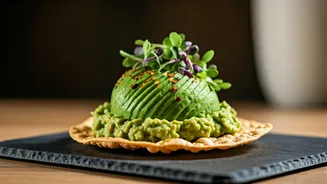
plasticky, and plant-based meals were often an afterthought on menus. The primary driver was conscience, not craving. But a seismic shift has occurred. The new green food revolution is not just about what you can't eat; it's about creating plant-based options that are genuinely, mouth-wateringly delicious. Taste has become the main event, attracting not just committed vegans but also curious foodies and flexitarians who simply want a great meal.
The Science of Flavour
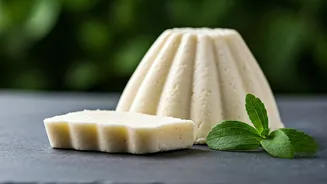
So, what changed? The answer lies in a convergence of food science, technology, and culinary artistry. Scientists and chefs are no longer just trying to mimic meat; they're working to understand the fundamental components of deliciousness—fat, texture, and umami—and rebuild them from plant sources. One key innovation is precision fermentation, a process that uses microorganisms like yeast to produce specific proteins, such as whey or casein (the proteins that make dairy cheese stretchy and melty), without a single cow involved. Another area is texture. Companies are using everything from high-moisture extrusion to create the fibrous pull of chicken, to mycelium (the root structure of mushrooms) to cultivate whole-cut 'steaks' with a satisfying bite. These technologies are moving plant-based foods from being a simple mixture of soy and spices to a sophisticated architecture of flavour and mouthfeel.
Chefs Lead the Charge
Technology provides the tools, but it’s chefs who are turning them into art. Initially, many top chefs were sceptical of 'fake meat'. Now, they are some of the biggest champions of the new generation of plant-based ingredients. They are embracing the challenge of creating complex, satisfying dishes without relying on animal products. This has a powerful trickle-down effect. When a celebrated chef puts a plant-based dish on their menu, it’s not seen as a concession but as a culinary statement. It signals that these ingredients are not just substitutes, but high-quality components in their own right. This move into fine dining and creative casual restaurants is crucial for changing public perception. People try a phenomenal plant-based meal at a restaurant and are then more likely to seek out similar products for their own kitchen.
The Indian Context
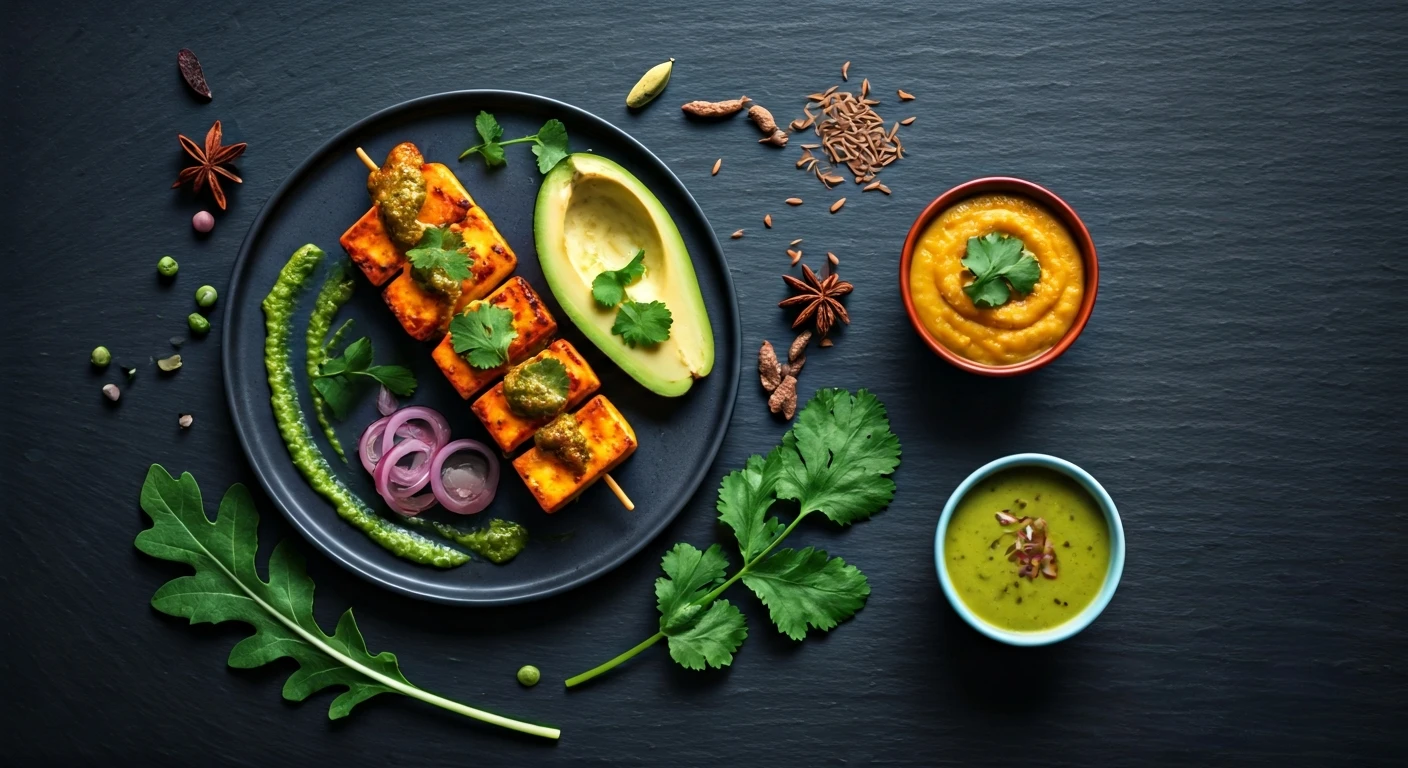
In India, with its deep-rooted and diverse vegetarian traditions, the green food revolution looks a little different but is no less exciting. Here, it's not just about replacing meat; it's about innovation within an already plant-forward food culture. Entrepreneurs are using modern techniques to elevate traditional ingredients and create convenient, next-generation products. Think high-protein dals fortified with plant-based additions, mock meats perfectly spiced for kebabs and biryanis, and creamy, dairy-free versions of kulfi and lassi. The goal is not to abandon classics like paneer butter masala, but to expand the culinary toolkit. For a growing urban population that is both health-conscious and globally aware, these new products offer the best of both worlds: familiar flavours delivered in a modern, sustainable, and increasingly delicious format.