




The Science of Scraps
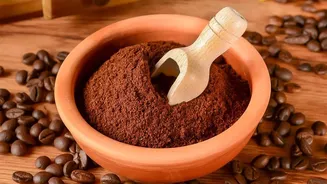
The secret to this powerful combination lies in a simple composting principle: the balance between 'greens' and 'browns'. 'Greens' are materials rich in nitrogen, which fuels leafy growth and overall plant vitality. Despite their colour, used coffee grounds
are considered a 'green' material in the world of compost, boasting a nitrogen content that helps speed up decomposition. 'Browns', on the other hand, are rich in carbon, providing energy for the microorganisms that break down organic matter. Many vegetable scraps, along with things like dry leaves or shredded cardboard, can supply this necessary carbon. Together, they create a balanced diet for your soil.
What Coffee Grounds Contribute
Used coffee grounds are a fantastic source of slow-release nitrogen, one of the most crucial nutrients for lush plant growth. As microorganisms in the soil break down the grounds, they gradually make this nitrogen available to plant roots. They also contain other important minerals like potassium, magnesium, and copper. A common myth is that grounds will make your soil too acidic, but since most of the acid is washed out during brewing, used grounds have a near-neutral pH. Their fine texture can also improve soil structure and water retention, but it's important to mix them into compost or soil rather than leaving them as a thick layer on top, which can compact and repel water.
The Role of Vegetable Scraps
Vegetable scraps bring their own unique benefits to the partnership. They provide a diverse range of nutrients that complement what the coffee grounds offer. Depending on the scraps, they can be a source of both nitrogen (from fresh greens) and carbon (from more fibrous stems or peels). They also add crucial moisture to a compost pile, which is necessary for the decomposition process to work efficiently. Items like carrot tops, potato peels, lettuce leaves, and cucumber ends are all excellent additions. This mix of different materials ensures your final fertilizer has a broader spectrum of nutrients for healthier, more resilient plants.
How to Make Your Fertilizer
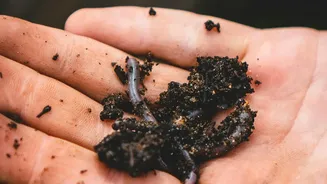
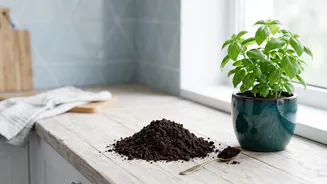
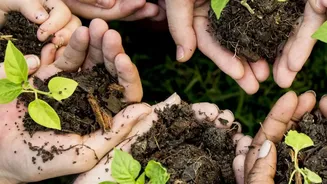
Creating this garden gold is easier than you might think. The most effective method is through composting. Start a compost pile or bin and aim for a healthy ratio of greens to browns. A general guideline is to balance every portion of green materials (like coffee grounds and fresh veggie scraps) with about two portions of brown materials (like dried leaves, torn cardboard, or woody stems). Layer these materials in your bin and keep the pile slightly moist, like a wrung-out sponge. Turn it every week or two to aerate it, which helps the microorganisms work faster and prevents odours. In a few months, you'll have a dark, crumbly, nutrient-rich compost to mix into your garden beds and potted plants.
Tips for Success
For the best results, remember a few key things. While coffee grounds are beneficial, they shouldn't make up more than about 25% of your compost pile's total volume. This ensures a good balance and prevents any potential issues. Avoid adding oily or greasy foods, meat, or dairy products to your pile, as these can attract pests and create bad odours. When adding fresh scraps to your pile, it's a good idea to bury them under a layer of brown material to discourage flies. If you don't have space for a full compost pile, you can still use this method by digging trenches in your garden, filling them with your coffee and veggie scraps, and covering them with soil. The materials will break down directly in the ground, enriching the soil over time.