


Start with a Wardrobe Audit
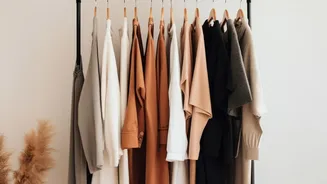
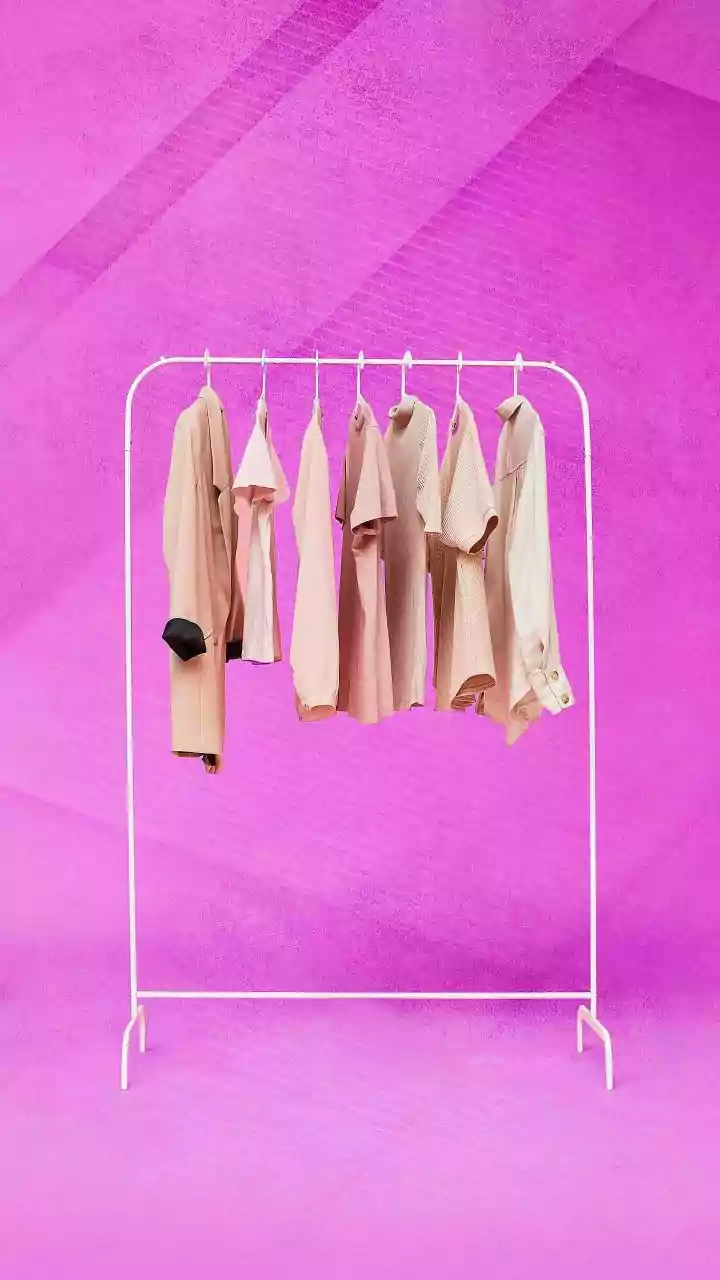
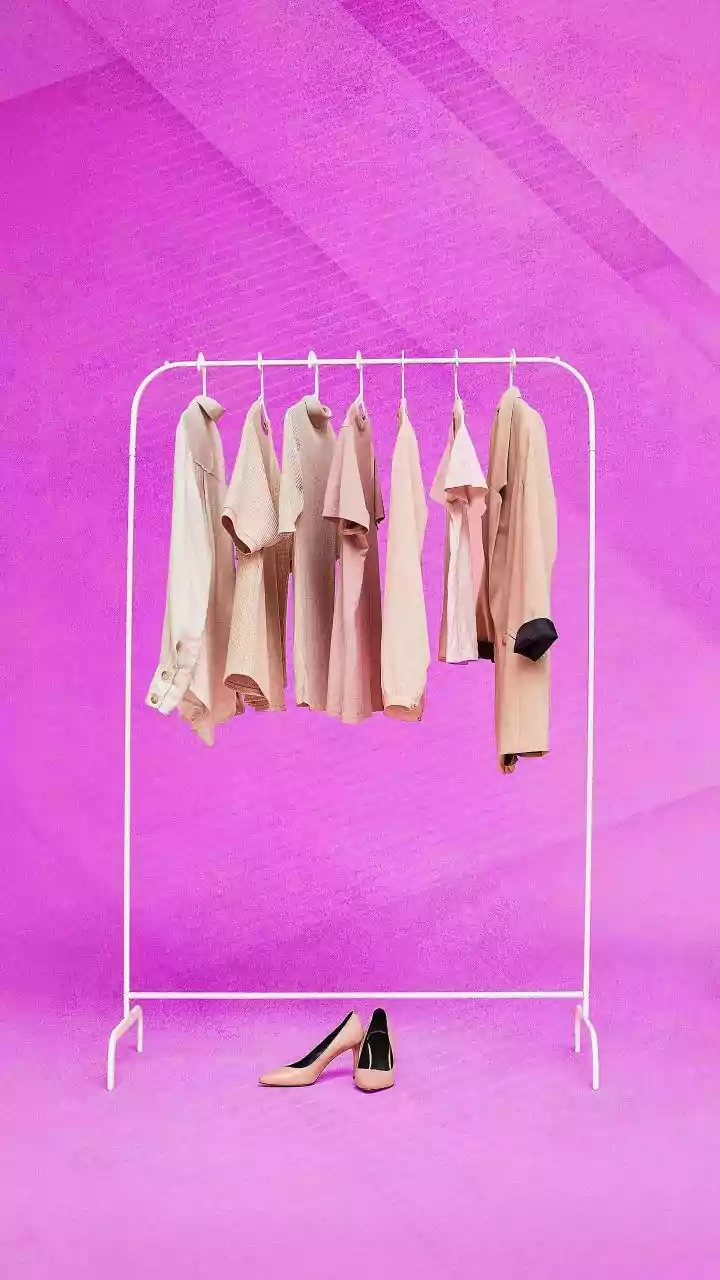
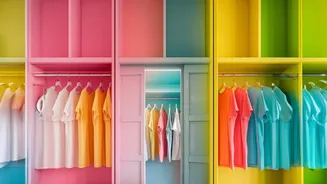
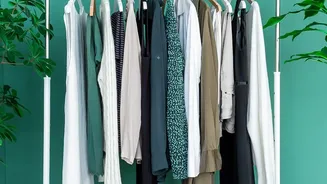
Before you can decide what you need, you must first understand what you already have. This is the goal of a wardrobe audit. Take everything out of your closet and sort items by category: tops, bottoms, dresses, outerwear, and so on. This process gives
you a complete inventory and forces you to confront pieces you may have forgotten about. As you sort, evaluate each item. Does it fit you well right now? Is it in good condition? Does it reflect your current lifestyle and personal style? Be honest with yourself. This initial step provides clarity and helps you see patterns in your clothing choices, forming the foundation for a more focused and functional wardrobe.
Identify Your Real Wardrobe Gaps
A 'wardrobe gap' isn't just something you want; it's a piece you are consistently missing to complete outfits. The easiest way to spot these is to think about the clothes you love but never wear. Perhaps you own a beautiful blazer, but it hangs unworn because you don't have the right trousers or blouse to go with it. Or maybe you find yourself repeatedly reaching for an item that isn’t there, like a versatile pair of neutral shoes or a simple layering top. These missing links are your true gaps. Make a note of these specific needs. For example, instead of writing 'new top', specify 'a cream-coloured button-up shirt' that would allow you to wear your blazer and two other skirts. This specificity turns vague wants into actionable needs.
Analyse Trends with a Critical Eye
Once you have a handle on what you own and what you’re missing, you can look at current trends. The key is to view trends as tools for inspiration, not as rules you must follow. Browse fashion magazines or blogs to see what's new, but always filter it through the lens of your personal style and lifestyle. Ask yourself if a particular trend genuinely resonates with you and if it would work with the core items already in your closet. For instance, if oversized blazers are in style and you need a new jacket, it might be a perfect match. The goal is to use trends as an accent to enhance your existing wardrobe, not to replace it entirely. This approach allows you to stay current without losing your sense of self.
Create Your Master Shopping List
Now it's time to bring everything together by creating a master shopping list. This isn't just a list of random desires; it's a strategic document. Start by listing the specific wardrobe gaps you identified earlier. These are your priority items. Next, consider the trends you've researched. Are there any trendy pieces that also happen to fill one of your gaps? Add them to the list. For example, if you need a new pair of casual shoes and see that sleek, minimalist sneakers are trending, 'white minimalist sneakers' goes on the list. Keep this list on your phone so it's always with you. Having a written plan prevents you from getting distracted by sales or making impulse purchases that don't serve your wardrobe.
Shop with Purpose and Intention
With your list in hand, you are prepared to shop smarter. Your list is your guide, keeping you focused on what you truly need. When you find an item on your list, ask a few final questions before buying: Can I style this with at least three to five items I already own? Does it fit my body and my daily routine? Will I still love it in six months? This disciplined approach helps you avoid emotional or sale-driven buys that often lead to unworn clothes cluttering your closet. By investing in pieces that fill a specific need and align with your style, you ensure that every new purchase adds real value. The result is a more versatile, sustainable, and satisfying wardrobe that truly works for you.