


Understand What You're Throwing Away
The first step to reducing waste is understanding what's in your trash bag. Studies show that a large portion of household waste is not trash at all. In many Indian homes, organic or 'wet' waste like vegetable peels, fruit scraps, and leftover food can
make up 40-60% of the total volume. Another significant portion consists of 'dry' recyclables like paper, cardboard, plastic bottles, and glass jars. When you combine this, it becomes clear that a huge amount of what we send to landfills can actually be diverted. By separating organic matter for composting and ensuring recyclables are properly sorted, you've already won half the battle.
Getting Started With Urban Composting
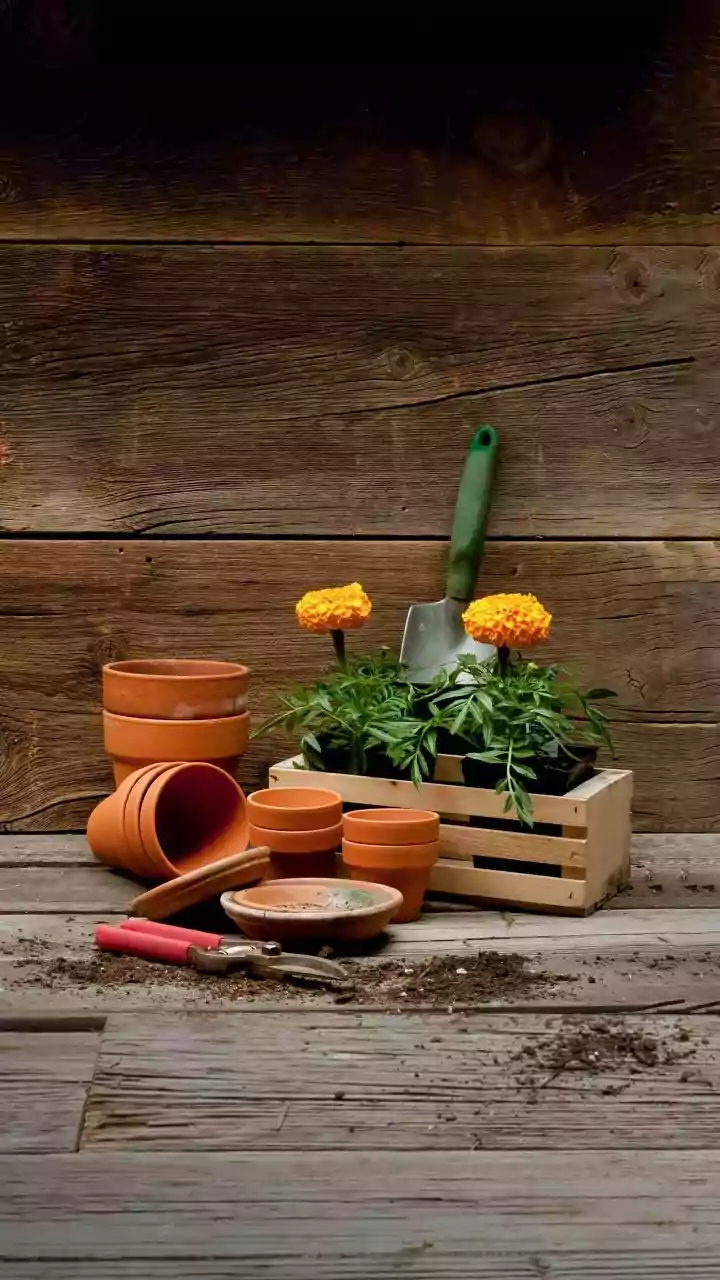
Composting in an apartment or a home with limited space might seem daunting, but modern methods make it clean, simple, and odour-free. A basic bin method is the easiest way to start. All you need is a container with a lid, like a terracotta pot or a plastic bucket. Layer your 'greens' (nitrogen-rich kitchen scraps like peels and coffee grounds) with 'browns' (carbon-rich materials like dried leaves, shredded newspaper, or coco peat). Cover every layer of kitchen waste with a layer of browns to balance moisture and prevent smells. Turn the mixture every few days to aerate it. In India's warm climate, you can have nutrient-rich compost in just 4-8 weeks. Other popular urban methods include vermicomposting (using earthworms) or using a sealed Bokashi bin, which ferments all kinds of kitchen waste, including cooked food, without any odour.
What Can (and Can't) Go in the Bin
A healthy home compost pile requires the right ingredients. It's a simple recipe of alternating wet and dry layers. Your 'greens' include almost all uncooked kitchen scraps: fruit and vegetable peels, coffee grounds, tea leaves, and crushed eggshells. Your 'browns' can be dried leaves, sawdust, shredded newspaper, and cardboard. However, certain items should be kept out of a standard home compost bin to avoid pests and bad smells. These include meat, fish, dairy products, oily or greasy foods, and pet waste. While some advanced systems like Bokashi can handle these, it's best to exclude them when you're starting with a simple bin.
Mastering the Art of Recycling
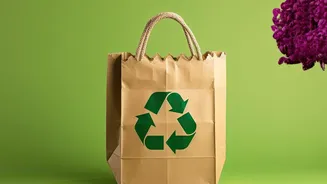
Recycling is more than just tossing a plastic bottle into a separate bin. To be effective, recyclables need to be clean and dry. A quick rinse of a bottle or container to remove food residue can prevent contamination of an entire batch of materials. It's crucial to know what your local municipality accepts. Generally, this includes paper and cardboard, glass bottles and jars, plastic containers with recycling symbols, and metal cans. Many people forget about items like cardboard from online shopping boxes or magazines. Break down boxes to save space in your bin. Setting up clearly labelled, separate bins for wet waste, dry recyclables, and non-recyclable trash makes the sorting process a simple daily habit for the entire household.
The Lasting Benefits of a Low-Waste Home
Adopting these habits does more than just free up space in your trash can. By composting, you create a free, nutrient-dense fertilizer that is perfect for your houseplants, balcony garden, or community green space, reducing the need for chemical alternatives. It enriches the soil, helps it retain moisture, and improves plant health. On a larger scale, reducing the amount of waste sent to landfills has a significant environmental impact. Organic waste in landfills releases methane, a potent greenhouse gas, so composting directly combats climate change. It's a powerful way to make a tangible difference, starting right inside your own home.