
The Allure of the 30-Second Meal
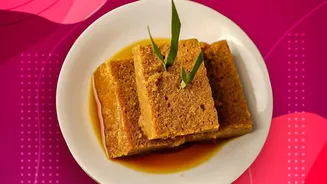
First, it was Dalgona coffee. Then came the baked feta pasta that reportedly caused cheese shortages in Finland. More recently, ube, a Filipino purple yam, became a star for its “Instagram-appeal.” The journey from obscurity to global sensation is faster
than ever. Social media platforms like TikTok and Instagram have an incredible power to make food accessible and exciting. They present cooking not as a chore, but as a fun, visual, and achievable project. A complicated, slow-cooked stew becomes a quick video with an upbeat soundtrack. A niche ingredient from across the world is suddenly the star of a must-try trend. This has democratised food exploration, encouraging people to try new things and get creative in their own kitchens. For some small restaurants or food creators, going viral can be a life-changing business boost.
A Tale Lost in Translation
But what happens when a dish is stripped of its context and turned into a hashtag? Take birria, the rich, slow-cooked goat stew from Jalisco, Mexico. Its history is deeply tied to the Spanish conquest, when indigenous populations had to find a way to cook the tough meat of goats introduced by colonisers. It’s a dish of resilience, traditionally served at major family celebrations. On TikTok, however, it’s often flattened into a cheesy, dip-able “birria taco” without a whisper of its centuries-old story. The focus becomes the visual “dipping” moment, not the slow-cooked tradition. Similarly, the viral baked feta pasta, while popularised by a Finnish blogger in 2019, has deeper roots. The problem isn’t the simplification itself, but the erasure that often comes with it.
Exposure at What Cost?
When a recipe goes viral, the people who popularised it are often not from the culture it originated from. Critics point out that many viral trends are popularised by white or white-passing creators who make a cuisine more “palatable” for a mass audience. This can feel like cultural appropriation, where elements of a culture are adopted without understanding or credit, often for profit. While social media offers a platform for culinary diversity, it can also lead to a strange kind of homogenisation, where everything is remixed for maximum visual appeal and minimal context. Dishes that don't fit the fast, bright, and trendy aesthetic are often overlooked, along with the immigrant-run restaurants that serve them authentically. This leaves a strange paradox: the world is more interested in global flavours than ever, but the credit and profit don't always flow back to the communities that created them.
From Our Kitchens to the World
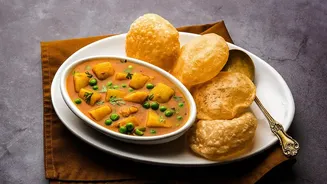
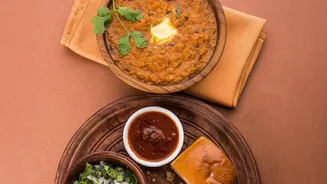
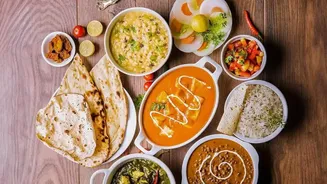
For a country with the culinary diversity of India, this phenomenon is particularly relevant. Imagine a complex regional dish, like a Goan vindaloo or a Kashmiri rogan josh, being reduced to a generic “spicy curry” video. The nuances of specific spice blends, cooking techniques passed down through generations, and the stories behind the food would be lost. We instinctively understand that a dish is more than its ingredient list; it’s a piece of our identity, a marker of home, and a carrier of history. When food is presented without its story, it’s not just a recipe being shared—it’s a piece of culture being flattened. Food is a vibrant expression of culture and heritage, not just sustenance.