



The Hidden Cost of Water in Beauty
For decades, water has been the default main ingredient in most cosmetic products, often making up 60-85% of the formula in lotions, creams, and cleansers. [9] It's used as a solvent to dissolve other ingredients and helps create the familiar textures
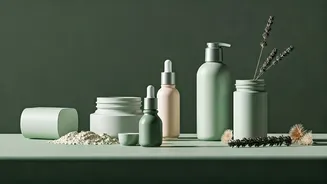
we know and love. [6] However, this has a significant environmental cost. The global beauty industry is a massive consumer of water, not just in the products themselves but also during manufacturing and processing raw materials. [10, 14] This heavy reliance on a precious resource is becoming increasingly unsustainable, especially as water scarcity becomes a more urgent global issue. [3, 14] Furthermore, water-heavy products require more preservatives to prevent bacterial growth, which can sometimes irritate sensitive skin. [1, 4]
The Rise of Waterless and Concentrated Formulas
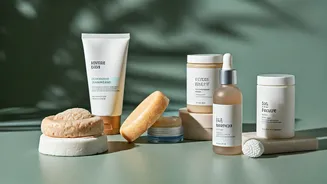
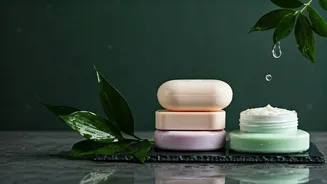
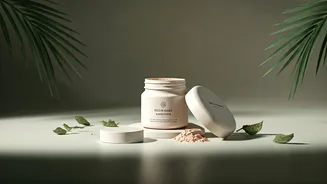
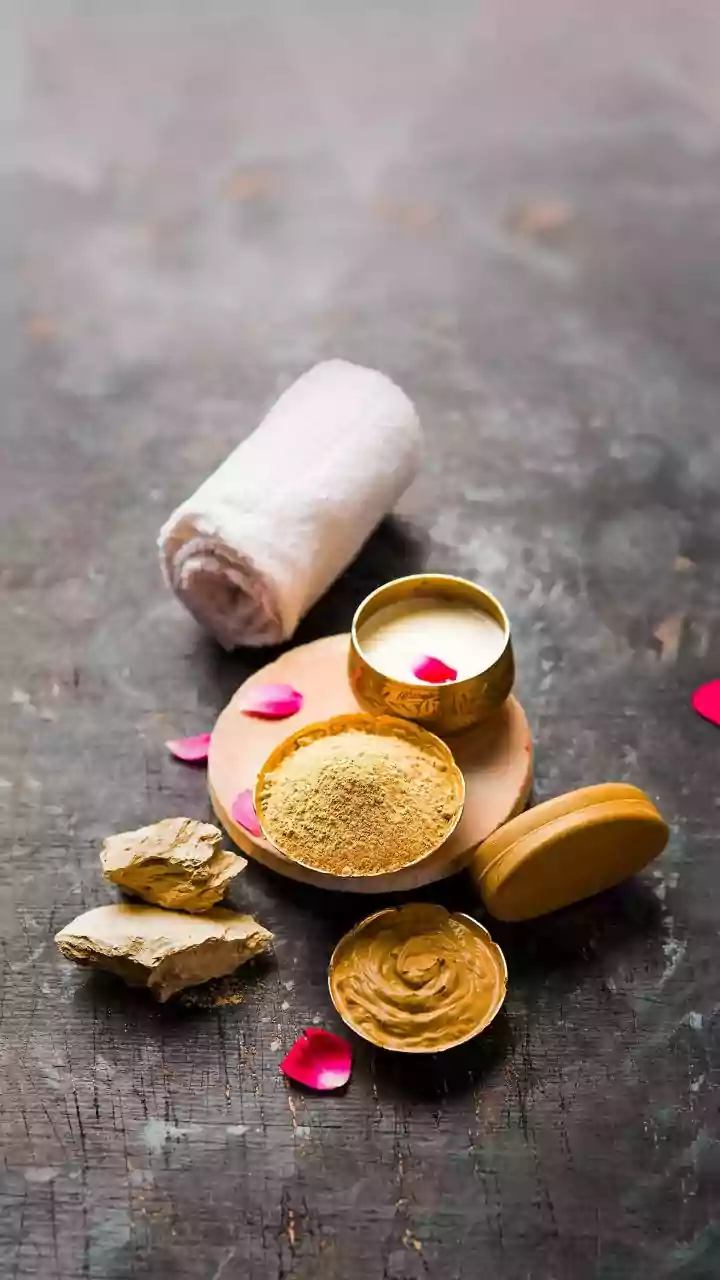
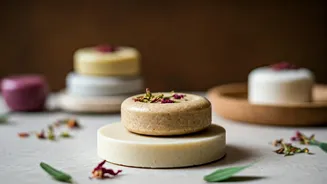
Enter the waterless beauty trend, a movement that started in South Korea and is now a major global trend in 2026. [4, 7] 'Water-smart' or 'anhydrous' beauty refers to products formulated with little to no water. [4] Instead of water, these products use alternatives like potent botanical oils, butters, waxes, and plant extracts as their base. [3, 4] This shift results in innovative formats like solid serum bars, cleansing balms, shampoo powders, and highly concentrated oils. [2, 11] The goal is twofold: to drastically reduce the beauty industry's water footprint and to create more effective, potent products for the consumer. [5, 10]
More Potency, Less Waste
One of the most significant benefits for consumers is product potency. When you remove water, you're left with a higher concentration of active ingredients. [1, 3] This means you often need less product to achieve the desired effect, delivering more noticeable results, faster. [4, 5] These concentrated formulas are also inherently more stable and often have a longer shelf life without the need for synthetic preservatives. [2, 3] From an environmental standpoint, the benefits are clear. Lighter, more compact products reduce packaging needs and lower the carbon footprint associated with transportation. [2, 4] Many brands are pairing waterless formulas with zero-waste or refillable packaging, furthering the sustainable push. [18]
What to Look For on the Shelf
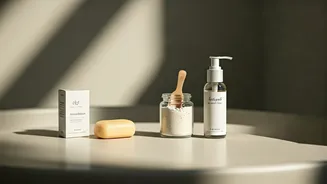
As this trend goes mainstream, identifying water-smart products is getting easier. Look for solid formats like shampoo and conditioner bars, cleansing balms instead of liquid face washes, and solid moisturising sticks. [11] Powder-to-foam cleansers, which you activate with a small amount of water at home, are another popular option. [12] Many brands are also launching highly concentrated serums and oils that are either completely water-free or use it very minimally. [18] Reading the ingredients list is still the best way to be sure; if 'aqua' or 'water' is not at the top of the list, or absent entirely, you've likely found a water-conscious product. Brands leading this charge include innovators offering everything from solid serum bars to hydrosoluble facial tablets. [19]