




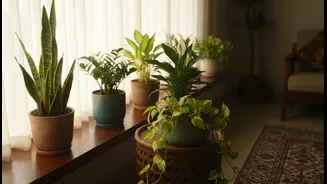


Peace Lily (Spathiphyllum)
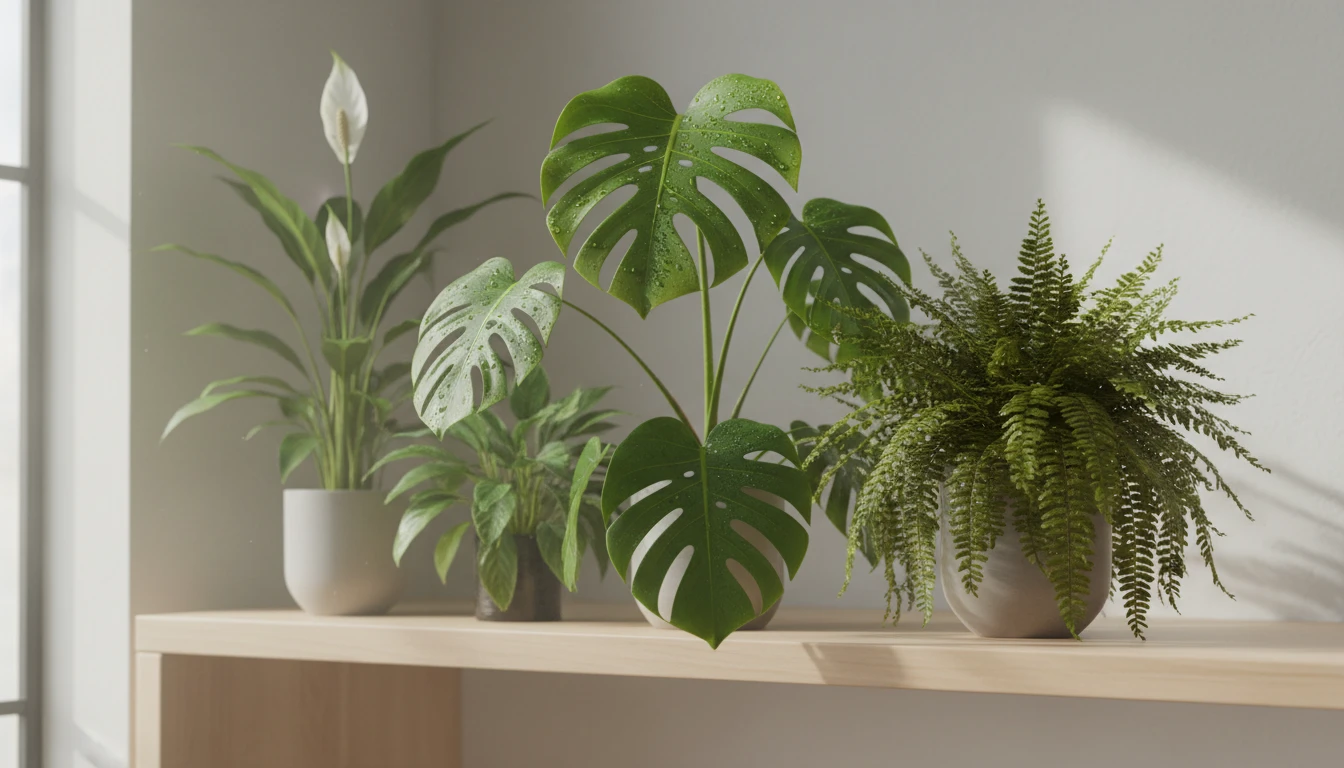
The Peace Lily is a favourite in Indian homes for a reason. Native to tropical rainforests, it loves a humid environment. Its glossy dark green leaves and elegant white blooms can brighten any corner. Beyond its beauty, the Peace Lily is an excellent
air purifier, known to filter common indoor pollutants. It's also communicative; the leaves will visibly droop when it needs water, making it easy to know when to give it a drink. This trait makes it forgiving for new plant parents. Be mindful not to overwater, as it's more tolerant of dry soil than waterlogged roots. For care, place it in a spot with bright, indirect light, as direct sun can scorch its delicate leaves.
Money Plant (Epipremnum aureum/Pothos)
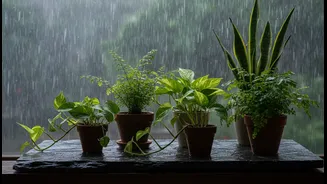
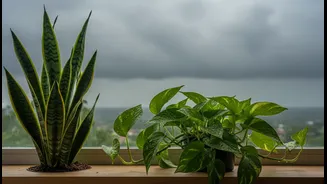
Arguably one of India's most beloved and ubiquitous houseplants, the Money Plant is incredibly resilient. It grows prolifically in the humid weather of the monsoon season. Known for its attractive heart-shaped leaves, this trailing vine is exceptionally easy to grow and can be kept in soil or even a simple bottle of water. It’s highly adaptable, thriving in a range of light conditions from low to bright indirect light. This makes it perfect for various spots around the home, from a living room shelf to a hanging basket on a shaded balcony. Regular pruning will encourage a fuller, bushier plant.
Spider Plant (Chlorophytum comosum)
The Spider Plant is a fantastic choice for beginners and thrives in the extra humidity a bathroom or kitchen can provide. Its arching leaves with green and white stripes add a playful touch to any room. These plants are great air purifiers and are known for their ability to remove toxins like formaldehyde from the air. One of the most enjoyable aspects of owning a spider plant is its production of small 'pups' or plantlets that dangle from the mother plant. These can be easily snipped off and propagated to create new plants, making it a gift that keeps on giving. They prefer bright, indirect sunlight and consistently moist, but not soggy, soil.
Bird's Nest Fern (Asplenium nidus)
If you want to create a lush, tropical feel, the Bird's Nest Fern is an excellent addition. Its bright green, wavy fronds grow in a rosette that resembles a bird's nest. In their natural habitat, these ferns grow in shaded, humid environments, making them perfectly suited for bathrooms or other high-humidity areas in the home with lower light. Unlike many other humidity-loving plants, they don’t need a lot of direct light and can thrive in a north-facing window. Keep their soil consistently moist but avoid letting water sit in the central 'nest' of the plant, as this can cause rot.
Calathea (Prayer Plant)
Calatheas, often called Prayer Plants, are grown for their stunningly patterned foliage. These plants are native to tropical jungle floors, which means they are perfectly adapted to warm, humid conditions and lower light levels. Their leaves have a unique habit of folding up at night, resembling hands in prayer, and opening again in the morning. Because they crave humidity, they are ideal for the Indian climate, but they can be sensitive. Crispy brown leaf edges are a common sign that the air is too dry. To keep them happy, provide bright, indirect light, use filtered or rainwater if possible, and keep the soil evenly moist but not waterlogged.
Snake Plant (Dracaena trifasciata)
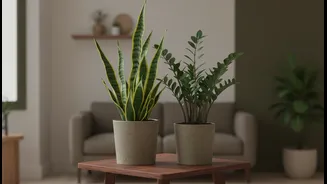
While often praised for its ability to tolerate dry conditions, the Snake Plant is surprisingly adaptable and can handle humid environments as well. Native to West Africa, it’s used to a wide range of climates. This makes it a nearly indestructible option for Indian homes. A key benefit is its ability to perform photosynthesis at night, releasing oxygen while you sleep, which makes it a great bedroom plant. The biggest risk in a humid climate is overwatering, which can lead to root rot. Ensure your snake plant is in well-draining soil and water only when the top few inches of soil are completely dry.