



Why We Crave Earthiness
It’s not just a colour trend; it's a response to our environment. After years of cool greys and stark whites dominating minimalist aesthetics, there's a collective shift towards warmth and comfort. Clay-inspired colours connect us to the natural world,
something many of us yearn for while living in concrete urban jungles. These hues are psychologically grounding. They evoke images of sun-baked earth, ancient pottery, and sprawling desert landscapes. In India, this connection is even deeper. These are the colours of our soil, of the humble matka that keeps water cool, of festive diyas, and of the spices that flavour our food. This palette feels less like a fleeting trend and more like a return to our roots, offering a visual anchor in a sea of digital noise.
Decoding the Clay Palette
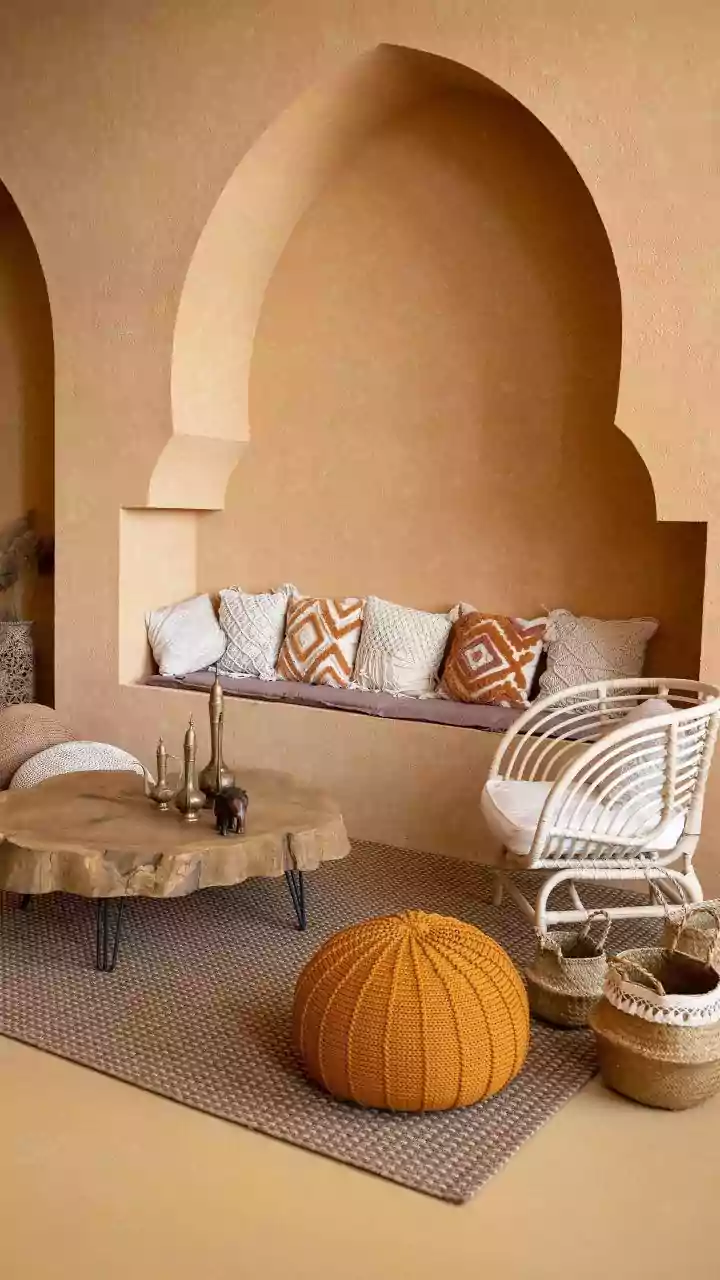
So, what exactly are clay tones? Think of a rich, diverse spectrum of colours drawn from the earth itself. The family includes: - **Terracotta:** The star of the show. This warm, reddish-brown is versatile and comforting. It can range from a deep, burnt orange to a softer, pinkish hue. - **Burnt Sienna:** A deeper, more reddish-brown than terracotta, bringing a sophisticated and robust warmth to a room. - **Ochre:** A golden-yellow or light yellowish-brown, reminiscent of haldi or the sun-drenched walls of Jaisalmer. It adds brightness without being jarring. - **Dusty Rose:** A muted pink with brown undertones, this colour is soft, gentle, and surprisingly neutral. It’s the colour of a desert sunset. - **Beige and Taupe:** These are the grounding neutrals of the palette. Think of the colour of wet sand or raw clay. They provide a calm backdrop for the richer tones.
Start Small with Accents
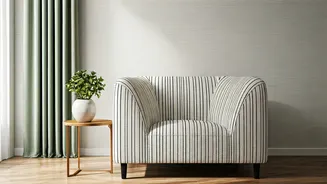
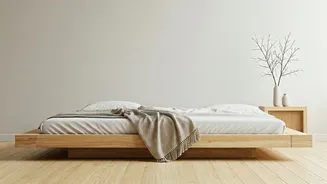
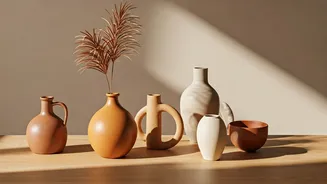
Diving headfirst into a new colour scheme can be daunting. The easiest way to introduce clay tones is through accents. This low-commitment approach lets you experiment without a major overhaul. Look for cushion covers in a mix of terracotta and dusty rose to liven up a neutral sofa. A single ochre-coloured armchair can become a beautiful focal point in a living room. In the bedroom, a linen duvet cover in a soft sienna shade can create an instantly cosy and inviting atmosphere. Don't forget the small details: ceramic vases, planters for your favourite greens, or even a woven rug incorporating these earthy hues can tie the look together beautifully.
Go Bold with a Statement Wall
Ready to make a bigger impact? A feature wall is the perfect canvas. A single wall painted in a deep terracotta or burnt umber can add incredible depth and warmth to a room, especially in a living or dining area. For a more organic, textured feel, consider using lime wash or a paint with a matte, chalky finish. This mimics the look of traditional mud walls and adds a tactile dimension. When choosing a wall, pick one that you want to be the centre of attention—perhaps the wall behind your bed’s headboard or the one your TV is mounted on. The key is to balance it out. Keep the other walls and the ceiling in a lighter, neutral shade like off-white or a very light beige to prevent the room from feeling too dark or enclosed.
The Perfect Pairings: Materials and Textures
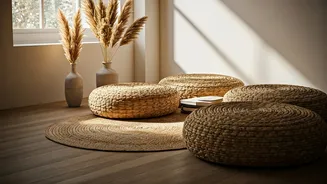
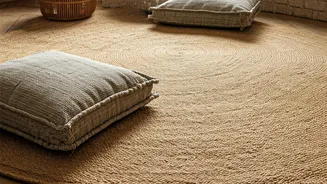
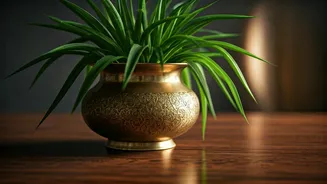
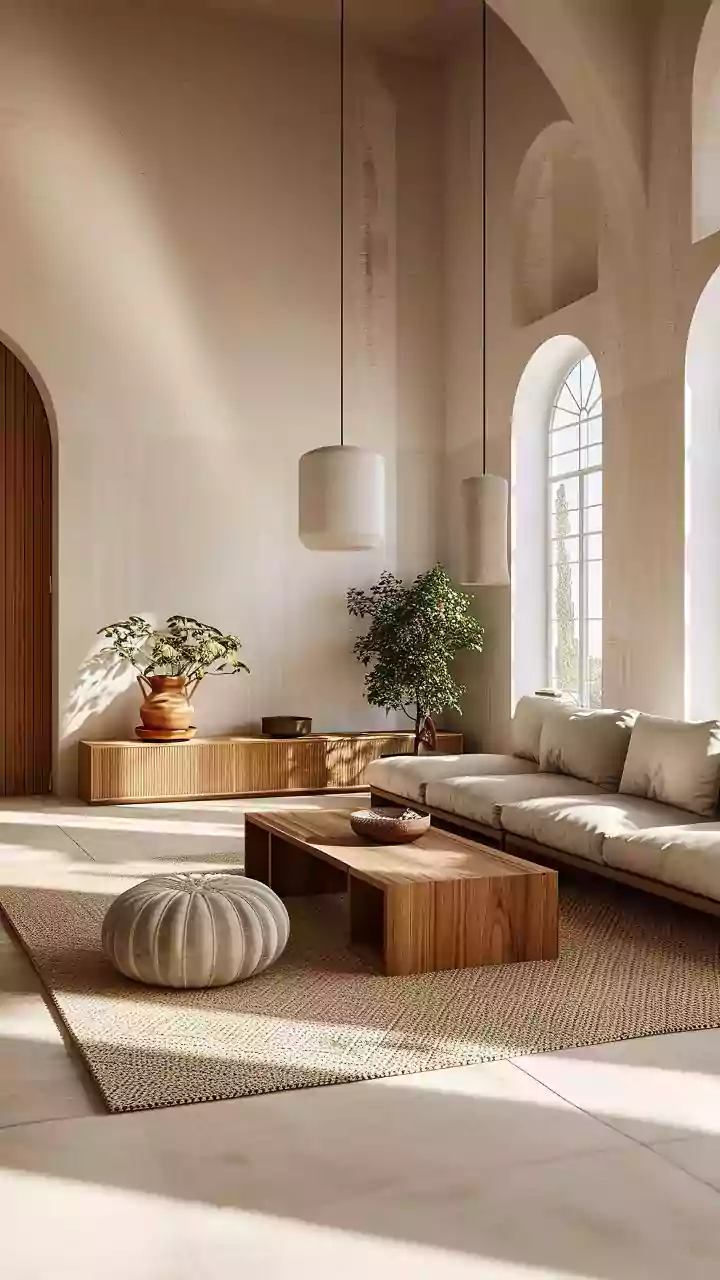
Clay tones truly shine when paired with natural materials that enhance their earthy quality. Light-coloured woods like pine or mango wood create a soft, rustic contrast, while darker woods like sheesham provide a rich, traditional feel. Incorporate textures through woven elements like jute rugs, rattan furniture, and bamboo blinds. These materials add to the room’s organic, layered look. For textiles, think natural fabrics. Raw cotton, khadi, and linen in neutral shades complement the warmth of the clay palette perfectly. And for a touch of elegance that feels quintessentially Indian, add metallic accents in brass or muted gold. A brass lamp, a set of decorative trays, or even cabinet handles can add a subtle gleam that cuts through the matte textures.