






The Blueprint for the Modern Blockbuster
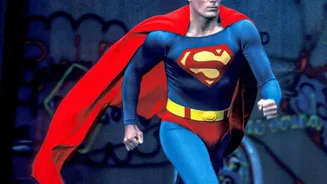
Before 1978, superhero films were often seen as campy, low-budget affairs. That all changed with 'Superman: The Movie'. With the tagline, "You'll believe a man can fly," the film treated its source material with a sense of scale and sincerity that was
previously unheard of. It invested in a-list actors, a soaring score, and groundbreaking special effects to create a true cinematic epic. This was the first time a studio treated a comic book character with the same respect as any other major literary figure, proving that these stories could be both commercially successful and critically acclaimed. It set a new standard, demonstrating that audiences were ready for superhero films that were grand, earnest, and awe-inspiring, laying the groundwork for the genre's future.
The Gritty, Realistic Reinvention
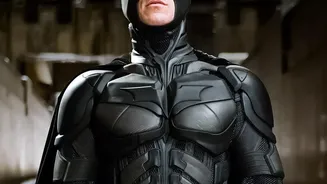
By the mid-2000s, superhero films were common, but Christopher Nolan's 'The Dark Knight' trilogy, particularly the 2008 sequel, completely changed the game. 'The Dark Knight' was less a comic book movie and more a sprawling crime epic that happened to feature Batman. It was dark, grounded in a recognizable reality, and explored complex themes of chaos, order, and sacrifice. Heath Ledger's Oscar-winning performance as the Joker elevated the villain from a cartoonish foe to a terrifying agent of anarchy. The film's success triggered a wave of "dark and gritty" reboots across Hollywood and proved that superhero films could be taken seriously as high art, influencing everything from James Bond to other DC properties like 'Man of Steel'.
The Age of the Shared Universe
The same year 'The Dark Knight' was proving how serious superhero films could be, 'Iron Man' showed how fun and interconnected they could become. While not the first Marvel movie, 'Iron Man' was the first film produced independently by Marvel Studios, and it came with a huge gamble. The film, starring the then-underdog Robert Downey Jr., was a massive success thanks to its witty script, charismatic lead, and grounded-but-futuristic take on the hero. However, its most significant contribution was the post-credits scene, where Nick Fury appears to discuss the "Avenger Initiative." This single moment launched the Marvel Cinematic Universe (MCU), a multi-film, interconnected storyline that has since become the most successful franchise in history and the dominant model for blockbuster filmmaking.
The Rise of the Mature Superhero Drama
For years, major superhero films were almost exclusively rated PG-13 to maximize their audience. While films like 'Deadpool' showed that an R-rated comic book comedy could be a hit, it was 2017's 'Logan' that proved these stories could also be serious, mature dramas. Presented as a bleak, futuristic Western, 'Logan' gave its iconic hero, Wolverine, a definitive and heart-wrenching ending. The film traded CGI-heavy spectacle for raw, brutal action and a deeply personal story about aging, legacy, and family. Its critical and commercial success demonstrated that audiences were eager for character-driven superhero stories that defied genre conventions, earning it a reputation as one of the greatest films in the genre and opening the door for more adult-oriented comic book adaptations.