


The Balcony Gardener's Rain Dilemma
A thriving balcony garden is a source of immense joy, but it’s uniquely vulnerable. Unlike gardens in the ground, container plants have limited space for excess water to go. During India's intense monsoon season, daily downpours can quickly saturate pots,
leaving plant roots sitting in stagnant water. This oxygen-deprived environment is the perfect breeding ground for fungal pathogens that cause root rot. The initial signs can be misleading; leaves may wilt or turn yellow, making you think the plant is thirsty when the opposite is true. If left unchecked, the roots turn brown and mushy, a foul odour may develop from the soil, and the plant eventually dies.
Understanding the Enemy: Root Rot
Root rot isn’t just about too much water; it’s about what the excess water does. Plant roots need oxygen to function and absorb nutrients. When soil is waterlogged, the air pockets disappear, effectively suffocating the roots. This weakened state makes them susceptible to naturally occurring fungi in the soil, like Pythium and Phytophthora. These fungi, normally harmless, begin to attack the decaying roots, preventing the plant from absorbing any water or nutrients at all. This is why a plant with root rot can look like it's dying of thirst even when its soil is soaking wet. Succulents, cacti, and other plants that prefer dry conditions are particularly vulnerable during the rainy season.
The Solution: Modular Rain Covers
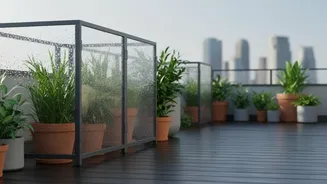
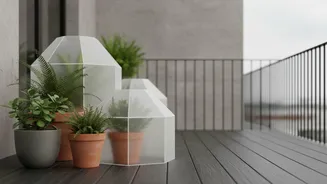
Enter modular rain-proofing covers. This isn't a single product, but a category of solutions designed to shield your potted plants from excessive rainfall. The 'modular' aspect is key: it refers to systems made of connectable or adaptable components that can be configured to fit your specific balcony space. Think of them as customisable raincoats for your plant collection. These can range from commercial systems with interlocking panels to simple DIY setups using materials like clear PVC sheets, tarps, or custom-built frames. The goal is to create a physical barrier that deflects the direct force of heavy rain, giving you control over how much water your plant’s soil receives.
How Rain Covers Protect Your Plants
The primary function of a rain cover is to prevent soil saturation. By shielding the top of the pot, the cover ensures that even during a torrential downpour, the soil remains moist rather than waterlogged. This maintains the crucial balance of moisture and oxygen in the root zone. Good systems are designed to not only block rain but also allow for adequate airflow and light penetration, ensuring the plant doesn't suffer from other issues like fungal growth on its leaves. This intervention is especially critical for plants that are not native to monsoon climates but are beloved by Indian gardeners. By managing the water intake, you can successfully grow a much wider variety of plants on your balcony.
More Than Just Preventing Rot
The benefits of installing rain covers extend beyond just preventing root rot. They also protect delicate flowers and foliage from being physically damaged by the force of heavy rain. Furthermore, they prevent soil and essential nutrients from being washed out of the pots, a process known as leaching, which can leave your plants undernourished. A covered setup can also create a slightly more stable microclimate, protecting plants from sudden temperature drops or strong winds that often accompany monsoon storms. It’s about creating a controlled environment where your plants can thrive, not just survive, through the challenging rainy months.
Choosing or Building Your System
When looking for a solution, consider your balcony's size, layout, and your budget. Commercial modular systems, often made from durable aluminium or fiberglass, offer a sleek, long-lasting solution. However, DIY options can be just as effective. A simple frame made of bamboo or PVC pipes, covered with a clear, heavy-duty plastic sheet or tarpaulin, can provide excellent protection. Transparent materials like PVC are often ideal as they block rain without significantly reducing sunlight. Whatever you choose, ensure it is securely anchored to withstand strong winds and that it still allows you to access your plants for occasional, necessary watering and maintenance.