




A Return to Hyperlocal Roots
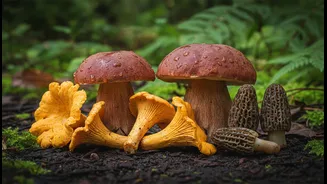
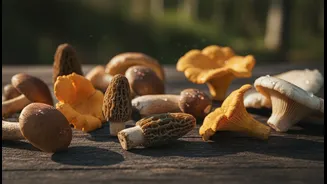
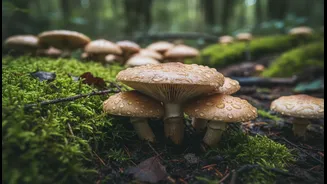
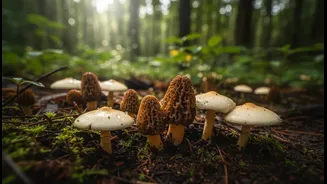
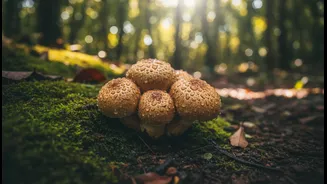
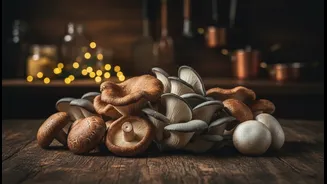
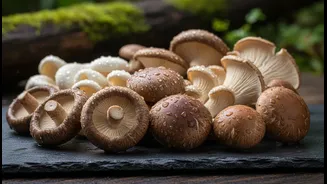
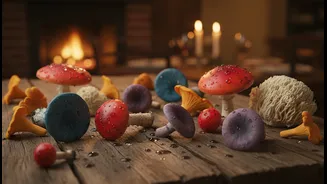
Forget cultivated button mushrooms; this trend is all about hyperlocal, seasonal, and wild fungi that appear for only a few weeks a year. Chefs and home cooks are celebrating these earthy delicacies, which offer a direct connection to the local landscape.
In states like Goa, Maharashtra, Jharkhand, and Karnataka, the arrival of these mushrooms is a cherished annual event rooted in tradition. The trend taps into a growing desire for ingredients with a story—ingredients that cannot be mass-produced and are available only when nature permits. This scarcity and seasonality make them a prized culinary experience.
Meet the Stars of the Season
The heroes of this trend vary by region. In Goa and along the Konkan coast, the star is the 'Olmi' or 'Alambi' mushroom. This variety, a species of Termitomyces, grows exclusively on or near termite mounds and is so prized it's often called 'Goa's Truffle'. It has a nutty, earthy flavour and a uniquely meaty texture. Meanwhile, in Jharkhand and parts of Odisha and Chhattisgarh, the 'Rugda' mushroom is celebrated as 'vegetarian mutton'. This puffball-like mushroom grows at the base of Sal trees and is known for its crunchy exterior and tender, meat-like interior once cooked. Other regional stars include the Himalayan Oyster Mushroom ('Dhingri') in Himachal and Uttarakhand and various foraged greens that accompany these fungal feasts.
A Critical Word of Warning
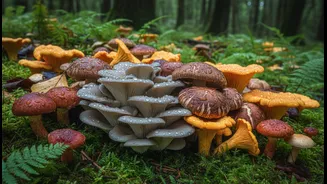
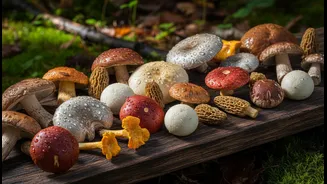
The romance of foraging comes with a serious risk: many poisonous wild mushrooms look dangerously similar to edible ones. Even experienced foragers can make mistakes, and consuming the wrong mushroom can lead to severe illness or even death. In a recent incident in Belagavi, Karnataka, nine members of a family fell ill after consuming wild mushrooms. The danger isn't just from naturally toxic species; mushrooms foraged from agricultural fields can be contaminated with pesticides. Experts and health officials strongly advise against foraging and consuming wild mushrooms unless you are with a seasoned local expert who can definitively identify safe varieties. There is no simple test to distinguish an edible mushroom from a poisonous one, making expert knowledge absolutely essential.
How to Enjoy the Trend Safely
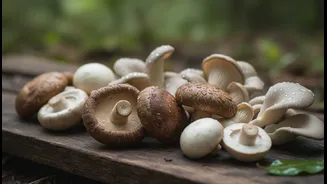
The safest way to partake in the monsoon mushroom trend is to buy from trusted sources. During the season, tribal women and knowledgeable local vendors sell their foraged goods in regional markets. In Goa, for instance, vendors line specific streets to sell the day's harvest of Olmi mushrooms. In Jharkhand, Rugda is sold in local markets, where you can often pay a little extra for mushrooms that have already been cleaned. When buying, look for fresh, firm mushrooms and, if possible, ask the seller about their origin. It's best to cook them within a day or two, as these wild varieties are highly perishable. If you're unsure, it's always better to err on the side of caution and admire the trend from afar.
From Forest to Plate
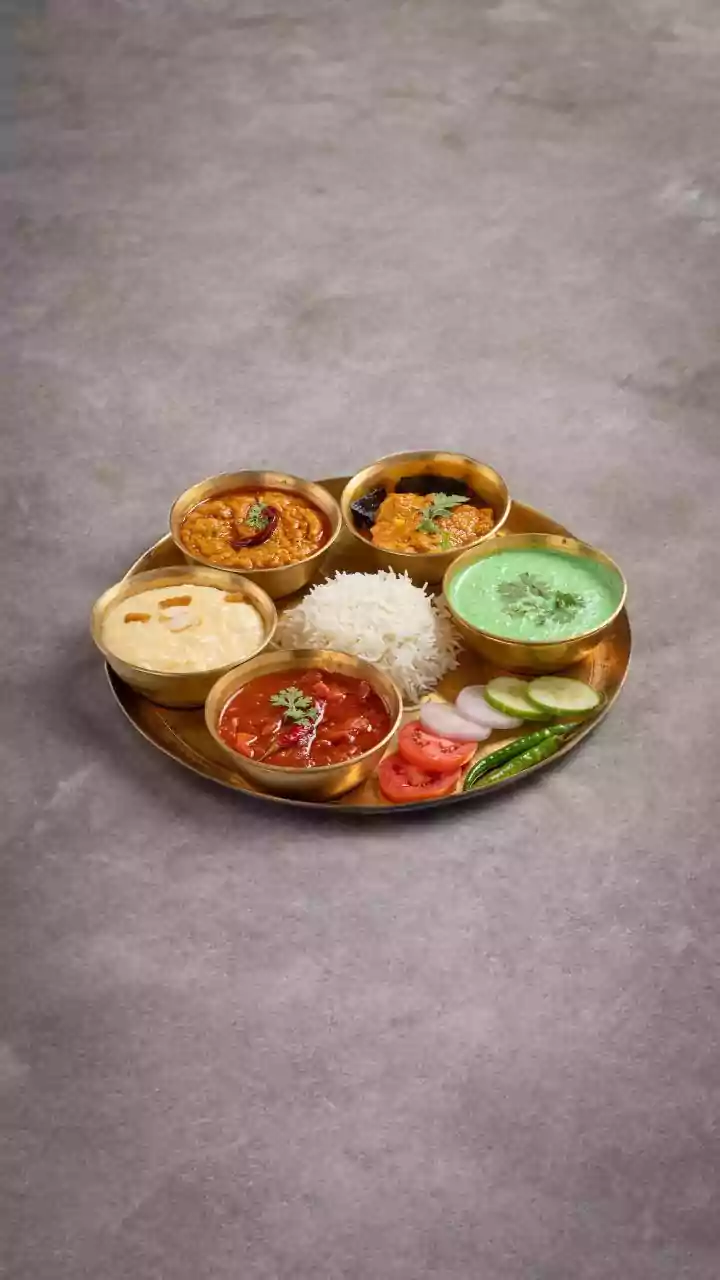
Once you've safely sourced your mushrooms, the culinary possibilities are delightful. Their robust flavours and textures call for preparations that let them shine. In Goa, Olmi is traditionally used in a rich, coconut-based 'Xacuti' or a simple stir-fry. The meaty texture makes it an excellent substitute for chicken. Rugda, with its mutton-like quality, is perfect for spicy curries that are often enjoyed with rice. A simple preparation involves sautéing the mushrooms with onions, tomatoes, and a ginger-garlic paste, seasoned with basic Indian spices like turmeric and red chilli powder. This allows the unique texture—a crunchy exterior giving way to a soft inside—to be the star of the dish.