






Why You Need a 'Fridge Treaty'
Whether in a shared flat or an office breakroom, the communal fridge is a flashpoint for conflict. Misunderstandings over whose yoghurt is whose, frustration over spoiled food, and arguments about cleanliness can sour relationships. Creating a formal
agreement, or a 'fridge treaty,' isn't about being controlling; it's about being considerate. It sets clear, mutual expectations that reduce daily friction, minimize food waste, and create a more harmonious and hygienic environment for everyone. A little proactive communication can prevent a lot of resentment down the line.
The Foundation: Assigning Space
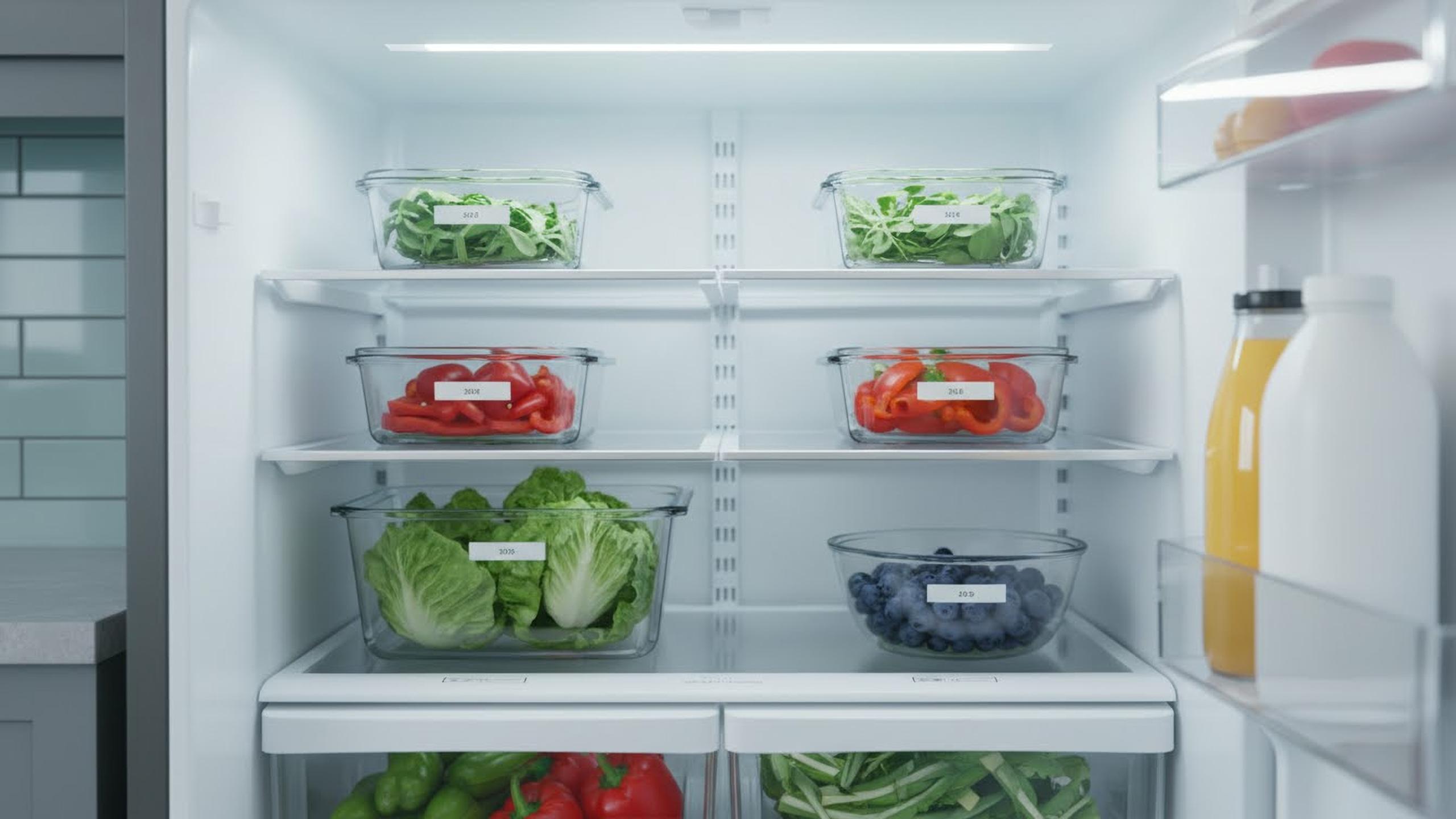
The first step to order is division. Before you even discuss what goes in the fridge, decide where it goes. Assigning each person a specific shelf or a designated area is the easiest way to create accountability and prevent one person's grocery haul from taking over. If you have two roommates and two main shelves, split them evenly. For larger groups, assigning shelves or using vertical dividers can work wonders. The door is often best designated as a communal space for shared items like condiments or milk, which helps keep the main shelves clear. This simple act of creating zones makes it immediately clear what belongs to whom and whose responsibility it is to keep their area tidy.
Labels: The Ultimate Tool for Peace
If you remember one rule, make it this one: label everything. So many conflicts arise from ambiguity. Is this leftover chicken up for grabs? Has this milk expired? A simple roll of masking tape and a marker can solve these problems instantly. Every item should be clearly marked with a name and the date it was placed in the fridge. This is non-negotiable for leftovers and opened items. It not only prevents accidental 'theft' but also makes it easier to identify and discard food that has gone past its prime during the weekly clean-out. This single habit drastically reduces confusion and potential arguments.
The Leftovers Policy: A 48-Hour Rule
Leftovers are a primary source of fridge clutter and unpleasant discoveries. A clear and universally applied rule is essential. The '48-Hour Rule' is a simple and effective policy: any personal leftovers must be eaten or discarded within two days. For shared leftovers from a group meal, it's good practice to send a group message letting everyone know they are available, but they should also be tossed after a day or two if uneaten. This prevents containers of forgotten food from turning into science projects in the back of the fridge. For this to work, leftovers must be stored in sealed, clean containers—no open plates or greasy takeout boxes.
The Weekly Clear-Out: A Non-Negotiable Ritual
A shared fridge needs a regular reset. Designate a specific day and time each week for the 'fridge purge'. Friday afternoon is often a good choice, as people clear out their things before the weekend. The rule should be clear: anything that is unlabeled, expired, or clearly spoiled gets tossed. Any leftovers that have overstayed their welcome under the 48-hour rule are also discarded. To make it fair, you can rotate the responsibility for the weekly wipe-down of shelves and drawers, but every individual is responsible for managing their own items before the purge. A pre-purge reminder via a group chat can also be helpful.
Putting the Agreement in Writing
Once everyone has discussed and agreed upon the rules, put them in writing. This isn’t about mistrust; it’s about creating a clear, visible reminder that keeps everyone on the same page. Type up the key points—assigned shelves, the labeling rule, the leftovers policy, and the weekly clear-out schedule—and post the document on the fridge door. This formalizes the agreement and serves as a helpful reference for new roommates or colleagues. It also depersonalizes enforcement; instead of one person having to be the 'fridge police,' anyone can simply point to the agreed-upon rules.