




The New Reality for Urban Gardeners
Gardening in Indian cities is changing. The once-popular trend of trying to cultivate exotic or delicate plants is giving way to a more practical and sustainable approach. Several factors are driving this shift. Increasingly harsh summers and unpredictable
monsoons make it difficult for many traditional garden plants to survive. Coupled with water scarcity in major cities and the time constraints of modern urban life, gardeners are realizing that a beautiful green space shouldn't be a constant source of stress. The goal is no longer to force nature to comply, but to work with it. This has led to a growing interest in plants that are naturally suited to the local climate and require less intervention, creating gardens that are both beautiful and manageable.
What Makes a Plant 'Resilient'?
A resilient plant is one that is naturally equipped to handle the specific challenges of its environment. In the context of an Indian urban garden, this typically means a plant that is drought-tolerant, can withstand intense heat, and is less susceptible to common pests. Many of these are native species that have evolved over millennia to thrive in local conditions. They have adaptations like fleshy leaves to store water (like succulents), deep root systems, or a natural resistance to the region's pests and diseases. Choosing these plants means less time spent on watering, fertilizing, and troubleshooting problems, making gardening a more rewarding and less demanding hobby for busy city dwellers.
Top Hardy Plants for Your Balcony
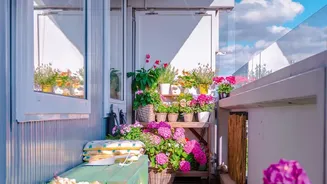
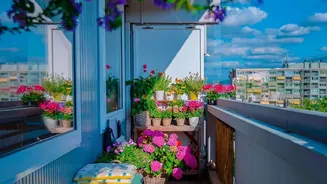
Starting a resilient garden is about making smart choices. For a sunny balcony, Bougainvillea is a spectacular choice, as it produces more of its colourful bracts when it receives less water. Succulents like Aloe Vera and the ZZ Plant are champions of neglect, storing water in their leaves and thriving even if you forget to water them. The Snake Plant is nearly indestructible, tolerating low light and infrequent watering while also purifying the air. For those who love fragrance, native varieties of Jasmine (Mogra) and Parijat are excellent, drought-tolerant choices that connect with cultural traditions. Other hardy options that handle Indian weather well include the vibrant Lantana, hardy Ixora shrubs, and the ever-popular Tulsi.
Simpler Routines for Smarter Gardening
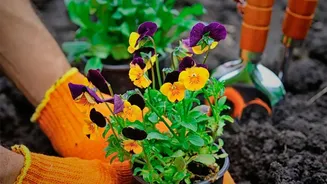
A resilient garden is supported by a simple, effective routine. The most common mistake beginners make is overwatering. A simple rule is to check the soil first; water only when the top inch feels dry. Watering early in the morning or late in the evening reduces evaporation and allows the plant to absorb moisture effectively. Grouping plants with similar light and water needs together simplifies care. For instance, keep all your sun-loving flowering plants in one area and shade-tolerant ones in another. Using a good potting mix with coco peat can help retain moisture without causing waterlogging. Finally, simple weekly checks for pests or yellowing leaves can help you catch problems early, before they become serious.
A Mindset Shift for Modern Gardeners
This move towards resilient gardening represents more than just a trend; it's a fundamental mindset shift. It's about letting go of the need for a perfectly manicured, high-effort garden that often feels like a constant battle. Instead, it embraces the beauty of plants that are naturally tough and self-sufficient. This approach reduces waste, conserves water, and creates a more sustainable and enjoyable hobby. It acknowledges that a green oasis in the city should be a source of peace and connection, not another chore on a long to-do list. By choosing plants that want to be here and adopting routines that work with nature, urban gardeners are finding a more joyful and sustainable path to creating their personal green sanctuaries.