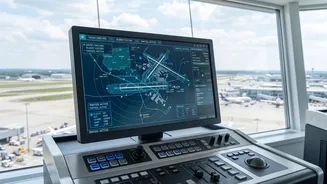




The complex, unseen system of air traffic control that keeps millions of passengers safe is undergoing a significant transformation. The U.S. Federal Aviation Administration (FAA) is rolling out a critical upgrade to its control towers nationwide.
Out With Floppy Disks, In With the Future
In a
long-awaited move, the FAA has begun deploying a new platform known as the Enterprise Information Display System, or E-IDS. This initiative is a core part of the agency's broader push to modernize the country's aviation infrastructure. The new system is set to replace four separate legacy systems, some of which have been in operation since the 1980s and, remarkably, still relied on floppy disks to store and transfer crucial information. FAA Administrator Bryan Bedford stated that the agency is moving away from 'outdated, manual processes' toward a modern system that allows for the instant sharing of critical flight alerts, weather data, and restricted airspace schedules. This marks a pivotal shift from fragmented, decades-old technology to a unified digital backbone for air traffic control.
A Single Source of Truth for Controllers
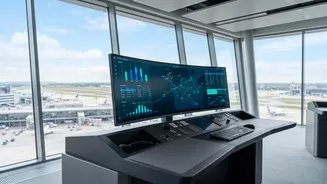
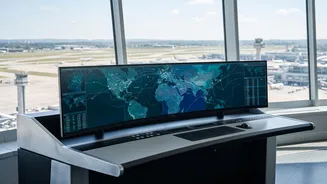
At its heart, E-IDS consolidates multiple streams of information into a single, streamlined digital display for air traffic controllers. Previously, controllers had to consult various screens and systems to get a complete operational picture. The new system integrates vital data on weather conditions, equipment status, runway restrictions, and other operational alerts into one place. This provides controllers with a centralized, real-time view of everything affecting their airspace, allowing them to make faster and more informed decisions to keep air travel safe and efficient. A key focus of the upgrade is to improve how pilot weather reports (PIREPs) and official Notices to Airmen (NOTAMs) are collected and distributed throughout the national airspace system, addressing known safety concerns.
The Tangible Benefits for Passengers
While the upgrade is primarily a tool for controllers, its impact will be directly felt by the flying public. This modernization is a key component of the FAA's Terminal Flight Data Manager (TFDM) program, which is designed to improve the management of aircraft on the airport surface. By providing a shared, real-time picture of traffic to controllers, airlines, and airport operators, the system helps to more efficiently stage arrivals and departures. This enhanced coordination leads to better use of runways and taxiways, reducing the time aircraft spend waiting in line on the ground. For passengers, this translates into more predictable schedules, fewer taxi-time delays, and a lower chance of missed connections, all while saving fuel and reducing engine noise and emissions.
A Nationwide Phased Rollout
The FAA's implementation of this new technology is a massive undertaking that will unfold in phases over the next several years. The initial rollout has already begun at a handful of key locations, including the international airports in Atlantic City, Nashville, and Rochester, as well as two major data-processing hubs in Atlanta and Salt Lake City. These first sites serve as the proving ground for the wider deployment. The ambitious plan is to install the E-IDS system at 435 facilities across the United States by the end of 2028, fundamentally transforming the technological foundation of the nation's control towers and terminal facilities. Other related modernization efforts under the TFDM program are projected to reach 89 of the nation's busiest airports by 2029.
Building the Next Generation of Air Travel
This display upgrade is a foundational piece of the FAA's larger Next Generation Air Transportation System, or NextGen, a multi-billion dollar initiative to create a more resilient, flexible, and efficient National Airspace System. By replacing aging hardware and implementing data sharing platforms like EIDS and TFDM, the FAA is building the infrastructure needed for more advanced capabilities, such as Trajectory Based Operations (TBO). TBO allows for managing flights based on a common, four dimensional flight path (latitude, longitude, altitude, and time), which promises even greater efficiency and predictability from gate to gate. While much of this modernization happens behind the scenes, it is a critical investment in ensuring the U.S. airspace remains the safest and most efficient in the world.