


The Anatomy of a Balanced Meal
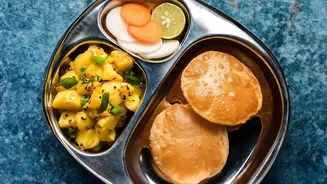
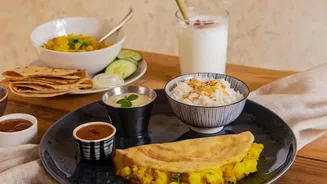
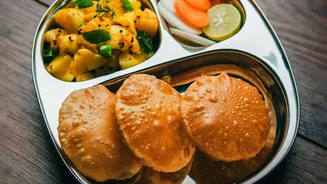
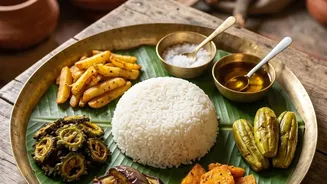
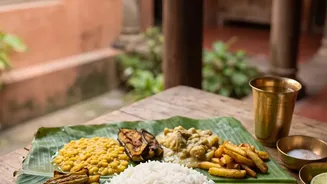
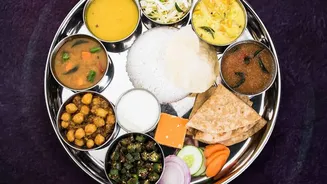
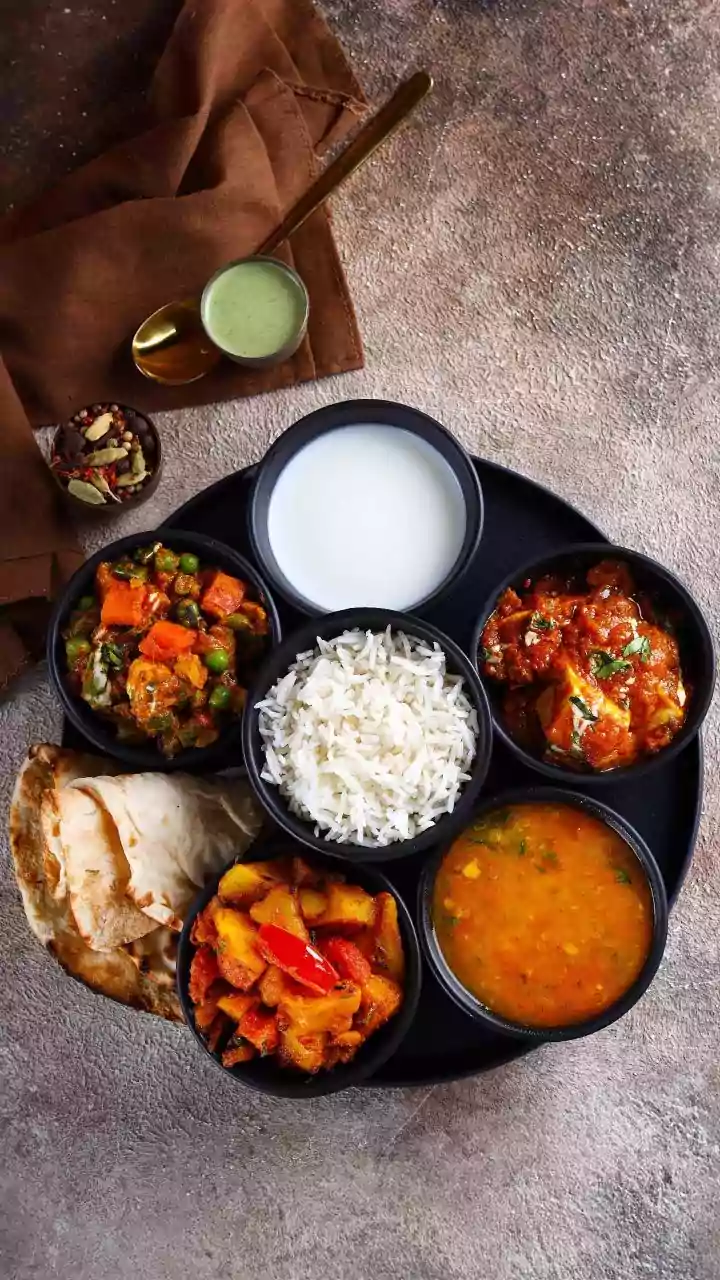
The traditional Indian thali is a masterclass in nutritional balance. It’s not just a random assortment of delicious dishes on a platter; it’s a time-tested system designed for satiety and health. A typical thali follows a simple but effective formula:
half the plate is filled with vegetables (sabzi), a quarter with a protein source like dal or paneer, and the final quarter with complex carbohydrates like roti or brown rice. This combination ensures you get a healthy mix of macronutrients—carbs, protein, and fat—along with essential fibre, vitamins, and minerals in a single meal. This blueprint is key to understanding how these meals keep you full and prevent blood sugar from going on a rollercoaster ride.
Complex Carbs for Sustained Energy
The primary cause of a sugar craving is often a sharp drop in blood sugar. This happens when you eat simple carbohydrates (like white bread, pasta, or sugary snacks) that your body digests too quickly. They cause a rapid spike in blood glucose, followed by a sudden crash that leaves you feeling tired and craving more sugar for a quick energy boost. A balanced Indian meal, however, prioritizes complex carbohydrates like whole-wheat roti, millets (jowar, bajra), or brown rice. These foods contain fibre and starch, which slow down digestion. As a result, glucose is released into your bloodstream more gradually, providing a steady supply of energy for hours and preventing the crash that triggers evening cravings.
The Power Duo: Protein and Fibre
If complex carbs provide the slow-burning fuel, protein and fibre are what make you feel full and satisfied. Protein, found abundantly in dal, legumes, paneer, and curd, is known to be the most satiating macronutrient. It takes longer to digest and helps regulate appetite hormones, signalling to your brain that you've had enough. Fibre, found in vegetables, whole grains, and lentils, adds bulk to your meal and slows down the digestive process. This powerful combination of protein and fibre keeps you feeling full for a longer period, making it much less likely you'll be searching for a sweet fix a few hours after dinner.
Healthy Fats and The Role of Spices
Fat is another crucial element for satiety. Healthy fats, like those in ghee, nuts, seeds, and even the fat in full-fat curd, slow down stomach emptying. This not only contributes to a feeling of fullness but also helps in the absorption of fat-soluble vitamins from your vegetables. Beyond the main components, Indian spices play a subtle but important role. Spices like cinnamon, turmeric, and ginger have been studied for their potential to help manage blood sugar levels and improve insulin sensitivity. Cinnamon, for instance, can slow the digestion of carbohydrates, while the curcumin in turmeric has anti-inflammatory properties that support metabolic health. While not a replacement for a balanced plate, these spices add another layer of blood-sugar-stabilizing benefits.
Putting It All Together
The magic of an Indian meal isn’t in any single ingredient but in the synergy of all its parts. The protein and fat in dal and curd moderate the glycemic impact of the rice or roti. The fibre from the sabzi further slows down sugar absorption. The combination of lentils and grains, such as in dal and roti, creates a 'complete protein' by supplying all the essential amino acids your body needs. This holistic approach ensures your body receives a steady stream of nutrients, keeps your blood sugar stable, and promotes a long-lasting feeling of fullness. The result is a system that naturally prevents the physiological trigger for late-night sugar cravings.