




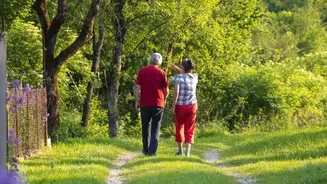


From Fitness Chore to Social Hour
The idea of a daily walk is hardly new. Doctors recommend it, fitness apps track it, and we all know we should be doing it. Yet, mustering the motivation to lace up your sneakers for a solo trek around the neighbourhood can often feel like a chore. This
is where the magic of a community walking club comes in. By shifting the focus from simply logging steps to sharing an experience, these groups reframe exercise. It stops being a solitary duty and becomes a much-anticipated social occasion. This shared experience provides a powerful boost, making exercise feel more enjoyable and sustainable. For many, the opportunity to chat and connect makes the physical effort feel lighter and the time pass more quickly.
The Unique Power of Walking Side-by-Side
There's a subtle but powerful psychology at play when people walk together. Without conscious effort, we often fall into a synchronized rhythm, matching our pace with our companions. This physical alignment fosters a sense of interpersonal connection and coordination. Unlike a face-to-face coffee meeting, which can sometimes feel intense, walking side-by-side allows for more relaxed conversation. The lack of direct, constant eye contact can lower inhibitions, making it easier to discuss both trivial and significant topics. This unique dynamic creates a comfortable space for friendships to form and deepen, turning a simple walk into a form of mobile therapy and bonding.
Accountability That Feels Like Friendship
One of the biggest hurdles in any fitness journey is consistency. It's easy to skip a workout when the only person you're letting down is yourself. A walking club replaces this internal battle with a gentle, external motivator: your friends are waiting. This social accountability is a key reason why group exercise participants are more likely to stick with their routines. Knowing that others are counting on you to show up provides a powerful nudge out the door. Furthermore, exercising in a group has been shown to increase the intensity and duration of the activity, as people tend to push themselves more when surrounded by others. This built-in support system helps members stay committed and achieve their fitness goals together.
More Than Miles: A Support System on the Move
Over time, the casual chats that fill the air during a group walk evolve into something much deeper. Members celebrate personal milestones, offer advice, and provide a listening ear during challenging times. The walking club transforms from a group of individuals with a shared interest into a genuine community and support system. This sense of belonging is a core pillar of social wellness, which is crucial for overall health and can combat feelings of loneliness and isolation that are increasingly common in a busy world. These groups often become hubs for discovering new local parks, cafes, and neighbourhoods, adding an element of exploration and adventure to the routine. They create a shared identity and a deeper connection to the community where members live.
Finding or Starting Your Stride
Joining a walking club is often as simple as looking for notices at a local community centre, in a residential society's group chat, or on social media. Many parks see informal groups meeting at the same time each morning. If a group doesn't exist in your area, starting one can be straightforward. Begin by inviting a few friends or neighbours. Decide on a consistent time and a safe, well-lit meeting place. The goal is to make it as easy as possible for people to join. Start small, perhaps with a 30-minute walk a few times a week, and let the group's momentum build naturally. The most important step is the first one—reaching out and getting started.