
Your Natural Guardian Against Pests
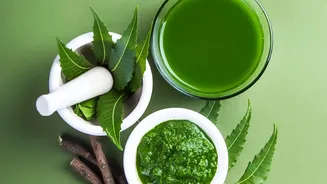
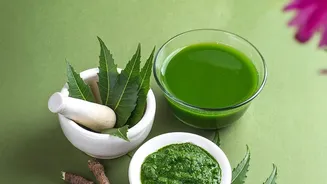
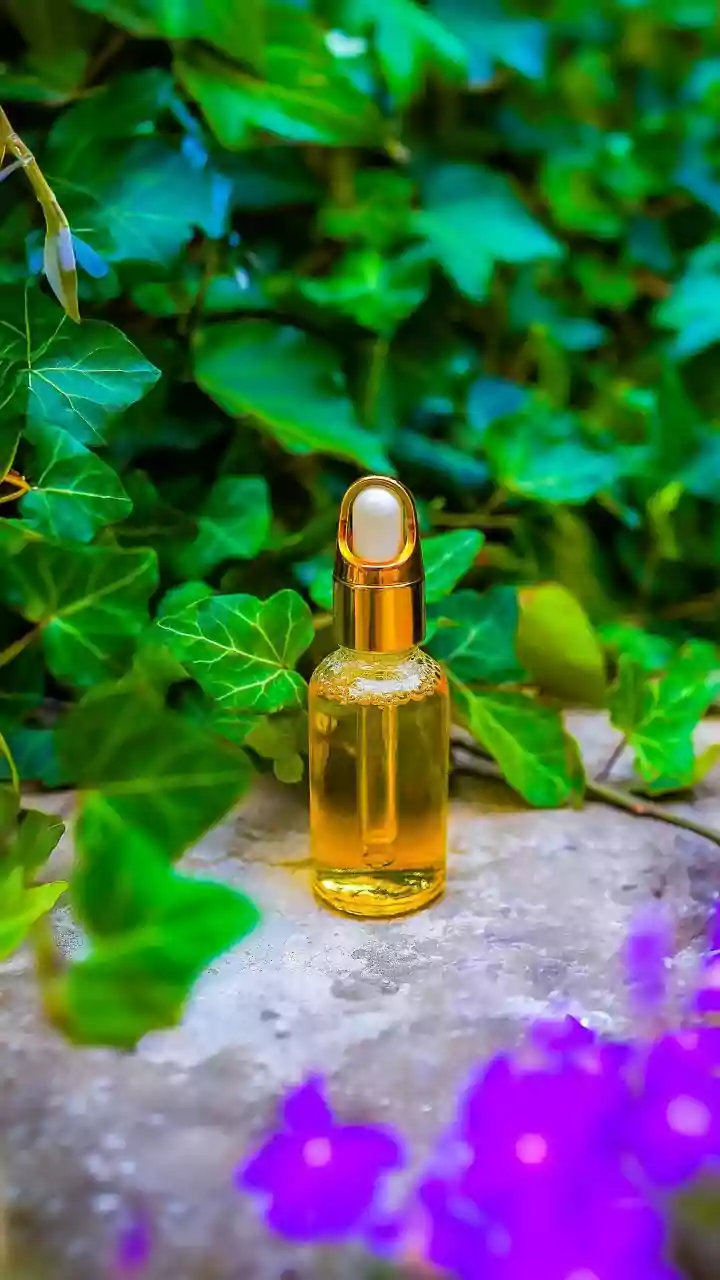
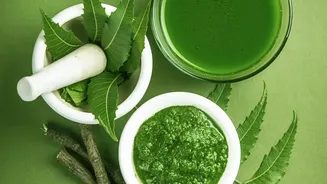
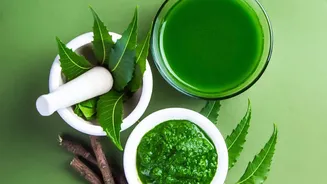
Neem oil is a vegetable oil pressed from the seeds of the neem tree (Azadirachta indica), native to India and Southeast Asia. For centuries, it has been used in organic gardening as a potent, biodegradable pest deterrent. It works not as a harsh poison,
but by disrupting the life cycle of insects. The active compound, azadirachtin, acts as an appetite suppressant and growth inhibitor, preventing pests from feeding and maturing. This makes it an excellent choice for edible plants like herbs, as it doesn't leave behind harmful synthetic residues. When used correctly, it is considered safe and non-toxic to humans and pets, allowing you to protect your herbs with peace of mind.
What Pests Does Neem Oil Control?
Neem oil is effective against a wide array of the small, soft-bodied insects that commonly plague indoor plants. This includes nuisances like aphids, which cluster on new growth, and spider mites, which can create fine webs on your plants. It also works well to control mealybugs, those white, cottony masses that hide in plant crevices, and whiteflies, which flit up in a cloud when disturbed. Neem can also help manage some fungal issues like powdery mildew, making it a versatile 3-in-1 solution for many gardeners.
Gathering Your Simple Supplies
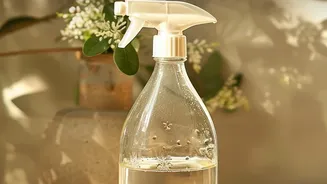
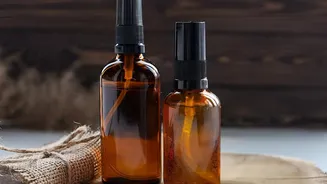
Making your own neem oil spray is incredibly simple. You only need three basic items that are easy to find. First, you'll need a bottle of 100% cold-pressed neem oil; this form is most effective as its active compounds are preserved. Second, you need a mild liquid soap, such as castile soap or a gentle dish soap. The soap acts as an emulsifier, allowing the oil to mix with water instead of separating. Finally, you will need a clean spray bottle and some warm water, which helps the oil dissolve more easily.
The Perfect Recipe for Your Spray
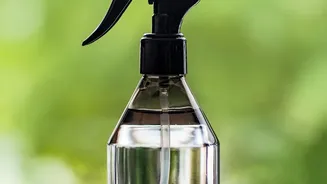
For a standard-sized spray bottle (about one litre), the recipe is straightforward. It's best to mix a fresh batch each time you plan to spray, as the active ingredients in neem oil can degrade over time once diluted. 1. Start by filling your spray bottle with one litre of warm water. 2. Add one teaspoon (about 5ml) of 100% cold-pressed neem oil. 3. Add about half a teaspoon of mild liquid soap to the mixture. 4. Secure the lid and shake the bottle vigorously to combine all the ingredients. The water should look cloudy or milky. Remember to shake the bottle periodically during application to keep the oil and water mixed.
Correct Application is Key
How you apply the spray is just as important as the recipe. Before treating your entire plant, it's wise to do a patch test. Spray a small, single leaf and wait 24 hours to ensure your plant doesn't have a negative reaction. The best time to spray is in the early morning or late evening, as applying neem oil in direct, hot sunlight can cause the leaves to burn. When you spray, be thorough. Pests love to hide, so be sure to coat all surfaces of the plant, including the tops and, most importantly, the undersides of the leaves and the stems. Avoid completely drenching the soil with the spray, though a light mist on the surface is fine.
Patience and Persistence
Neem oil is not an instant-kill pesticide; it works gradually by disrupting the pest's life cycle. You may not see results overnight. For an active infestation, you should reapply the spray every 5 to 7 days until the pests are gone. For preventative care, a light spray every 14 days can help keep your herbs healthy and pest-free. When it comes to harvesting, always follow the instructions on your specific neem oil product label. As a general rule, it's good practice to wait at least a few days after spraying and to wash your herbs thoroughly under running water before you enjoy them.