


A Gift from Halley's Comet
The Orionid meteor shower is an annual event that occurs when Earth passes through the trail of dusty, icy debris left behind by the most famous comet of all: 1P/Halley. While the comet itself only visits our inner solar system every 76 years—it was last
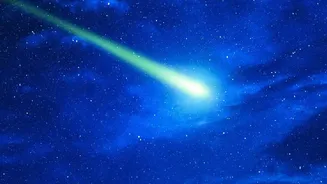
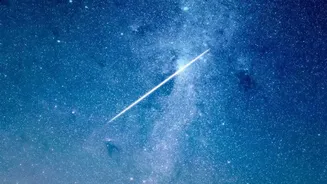
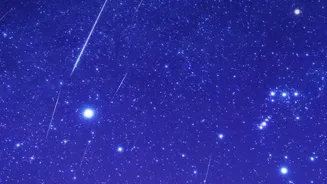
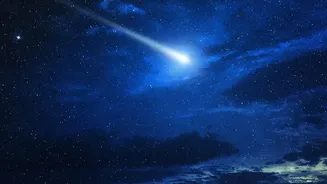
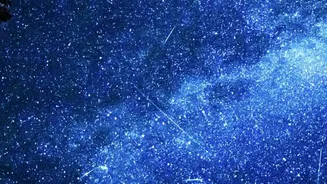
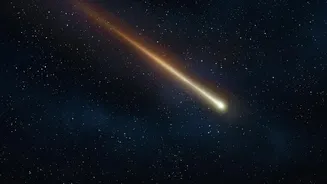
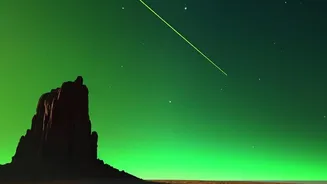
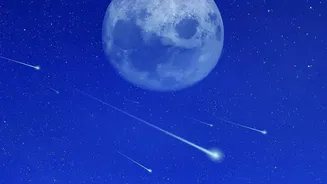
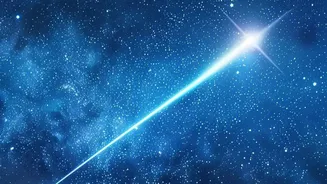
seen in 1986 and will return in 2061—it leaves behind a gift for sky-watchers. As these tiny particles, many no bigger than a grain of sand, hit our atmosphere at incredible speeds of around 66 kilometres per second, they burn up, creating the brilliant streaks of light we call meteors or shooting stars. The Orionids are known for their speed and brightness, sometimes leaving glowing trails called trains that can linger for several seconds.
Peak Viewing in October 2026
Mark your calendars. The Orionid meteor shower will be active from early October through early November, but the best time to watch is during its peak. For 2026, the peak nights are expected to be October 21-22. The most impressive activity will occur in the hours after midnight and before the first light of dawn. This is when the shower's radiant—the point in the sky from which the meteors appear to originate, located in the constellation Orion—is highest in the sky. A bright, waxing gibbous moon will interfere with viewing during the first half of the night, but it sets a few hours before dawn, creating a crucial dark window for optimal meteor spotting.
Your Urban Viewing Strategy
The headline's promise is true: you can see meteors from a city, but it requires a strategy. While a city rooftop can't compete with a dark rural site, the Orionids often produce bright meteors, known as fireballs, that are powerful enough to cut through the urban skyglow. Your goal is to minimize direct light. Get as high up as you can—a rooftop or balcony is ideal. Use buildings or trees to block the glare from streetlights and neighbouring windows. The more of the sky you can see, the better your chances. Don't worry about finding the constellation Orion; the meteors can appear anywhere in the sky.
The No-Telescope Toolkit
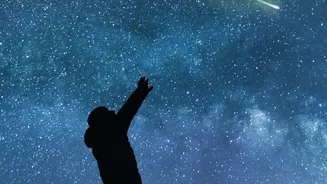
The best instruments for watching a meteor shower are your own two eyes. Telescopes and even binoculars have too narrow a field of view, and you would miss most of the action. Instead, focus on comfort and patience. Bring a blanket or a comfortable reclining chair so you can lie back and look up without straining your neck. Since temperatures can drop in the pre-dawn hours, a warm drink and layered clothing are essential. Most importantly, you need to allow your eyes to adapt to the darkness. This process takes 20-30 minutes, so put your phone away and resist the urge to check it, as the white light will ruin your night vision. If you need a light source, use a red-light flashlight or a phone app with a red-light mode.
Managing Your Expectations
It's important to have a realistic idea of what you will see. Under perfect, dark-sky conditions, the Orionids can produce about 20 meteors per hour. From a light-polluted city, that number will be significantly lower. You will only see the brightest ones. Instead of a constant stream of shooting stars, you might catch a few brilliant streaks over the course of an hour. But the thrill of seeing a piece of an ancient comet blaze across the sky above a modern city is a unique and rewarding experience. Don't be discouraged if you don't see a meteor in the first five minutes. Patience is the key ingredient for any successful stargazing session.