
The Classic Tiffin's Enduring Legacy
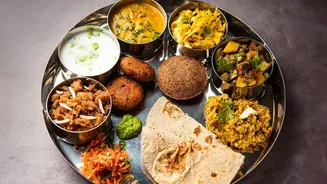
For generations, the Indian lunch box, or 'tiffin', has been an icon of homemade love and nourishment. Traditionally a stack of two to four stainless steel containers latched together, it was ingeniously designed to keep different parts of a meal separate—roti
in one, dal in another, and sabzi in a third. This system, often delivered by Mumbai's famed dabbawalas, ensured that a warm, comforting taste of home reached students and office workers across cities. The word itself, a relic of British India, originally meant a light midday meal. Over decades, it became synonymous with these practical, stacked metal carriers that prevented the dreaded soggy roti and kept flavours distinct. But as lifestyles evolve, the very definition of a convenient lunch is being reconsidered.
Enter the Bento: A New Chapter in Lunch
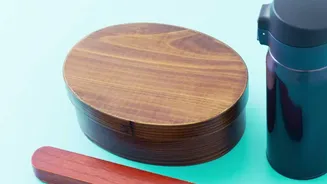
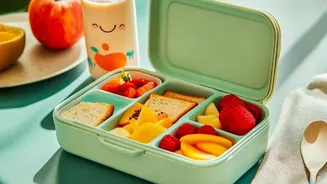
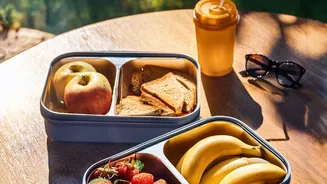
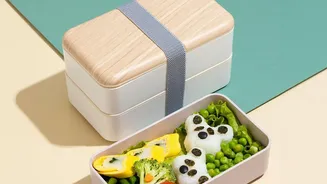
A new contender has entered the lunch arena: the bento-style box. Unlike the vertically stacked tiffin, these are typically single, rectangular containers with multiple fixed compartments. Originally a Japanese concept, the bento box is built on the philosophy of offering a complete, balanced, and visually appealing meal in one compact case. This format is rapidly gaining traction in India, moving beyond a niche trend to become a common sight in school bags and office totes. The appeal is simple: it prevents cross-contamination of flavours with even greater efficiency and encourages variety and portion control in a way that feels modern and organised.
The Drive for Health and Wellness
This shift is not just about aesthetics; it's deeply connected to a growing health consciousness across urban India. The compartmentalised nature of bento boxes makes mindful eating easier. It nudges users to pack a more diverse meal—a portion of carbs, a protein, vegetables, a salad, and perhaps some fruit, all in their designated spots. This structure is a visual guide to a balanced diet, helping with portion control and discouraging an over-reliance on a single, heavy curry. For parents of picky eaters, the bento offers a creative solution: small, attractive portions of different foods can make meals seem less intimidating and more fun for children.
Global Influences and Modern Parenthood
The rise of the Indian bento is also a story of globalisation. Through social media, travel, and streaming, Indians are more exposed than ever to global food cultures, including the artful presentation of Japanese and Korean lunch boxes. This has inspired a new generation of parents and professionals to elevate their lunch-packing game. Indian-inspired bento ideas are flooding the internet, showcasing everything from mini idlis with chutney and sambar to paneer tikka skewers alongside a small salad and jeera rice. It’s a creative fusion, adapting a Japanese format to suit the Indian palate while satisfying the modern desire for meals that are not just tasty but also Instagram-worthy.
Convenience for a New Work Culture
The very nature of work and school has changed. With hybrid work models and busier schedules, the need for a mess-free, easy-to-carry, and quick-to-eat meal is paramount. While the traditional tiffin is durable, modern bento boxes—often made from food-safe, microwaveable materials—offer a different kind of convenience. They are flatter, fitting more easily into backpacks, and eliminate the need for assembling and disassembling multiple containers. The shift reflects a broader lifestyle trend: a move towards solutions that are efficient, health-oriented, and adaptable to the fast pace of contemporary Indian life, blending the comfort of a home-cooked meal with the practicality of modern design.