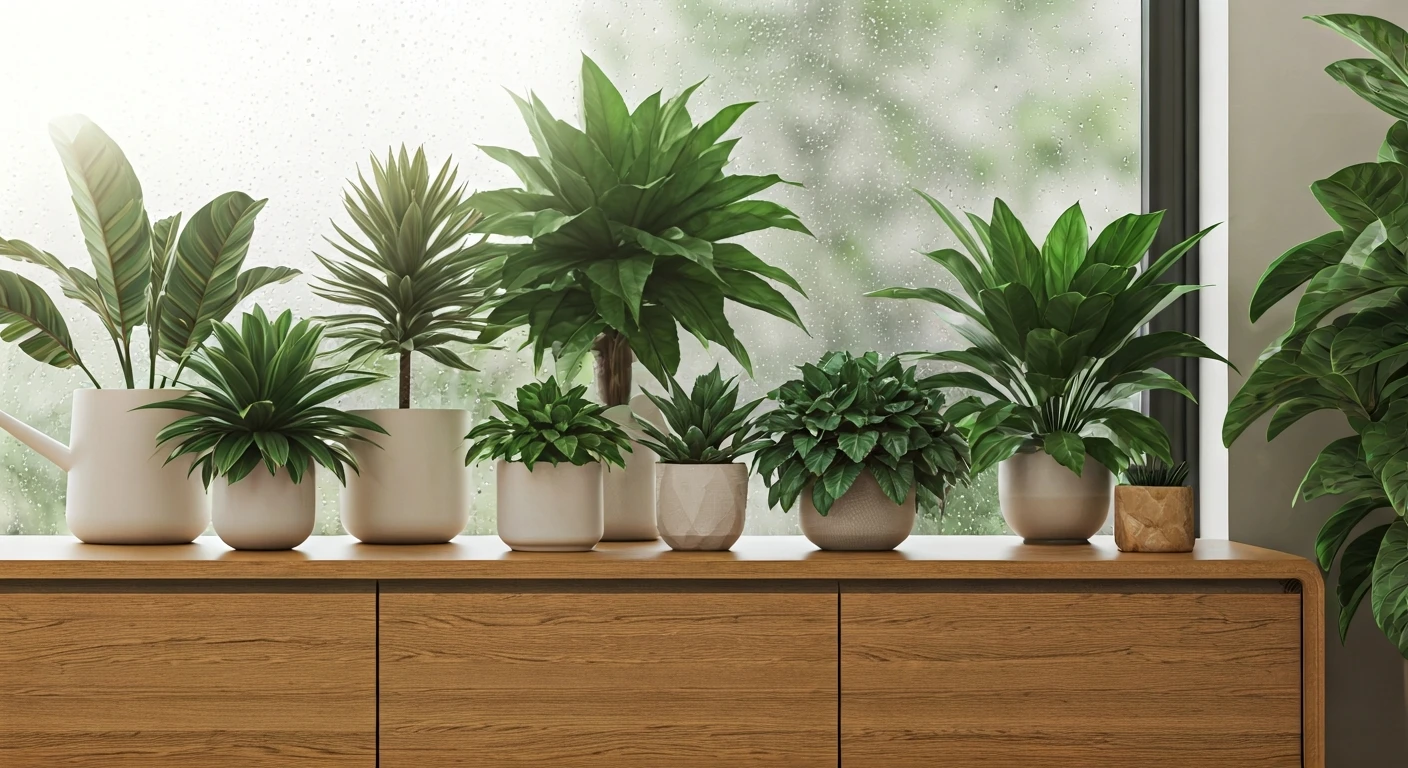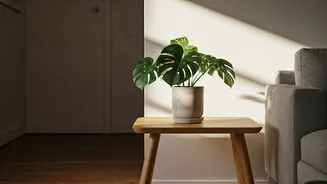


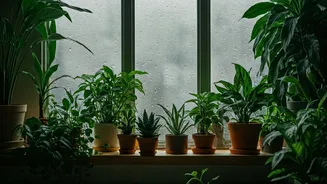
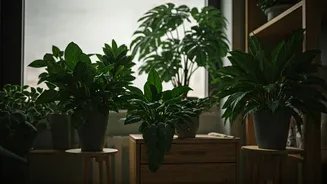


The Life-Giving Alternative to Clutter
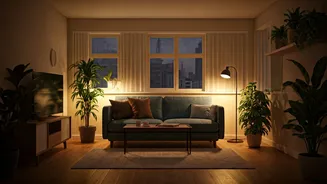
Before rushing to buy another lamp or a new set of decorative objects, consider this: more stuff often leads to more visual noise, making a dim room feel smaller and more chaotic. Plants, on the other hand, are a dynamic solution. They add colour, shape,
and a touch of nature that can genuinely transform a space. Studies have shown that the presence of indoor plants can reduce stress, improve mood, and even boost concentration. They are living decor that asks for very little but gives back in abundance, purifying the air while adding a sense of calm and vitality.
Understanding 'Low Light'
The term 'low light' can be misleading. It doesn't mean a windowless closet. For most houseplants, low light refers to a room with a north-facing window, a spot several feet away from a bright window, or an area that receives only indirect or artificial light for most of the day. Many plants advertised as 'low-light' will tolerate these conditions, but they won't necessarily thrive. The key is to choose plants that are naturally adapted to shady forest floors, as they are best equipped to handle the dimness of an indoor environment.
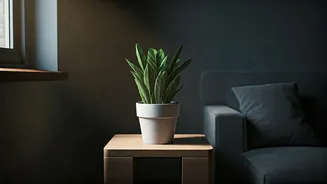
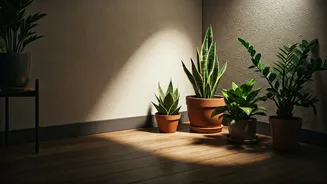
Snake Plant (Dracaena trifasciata)
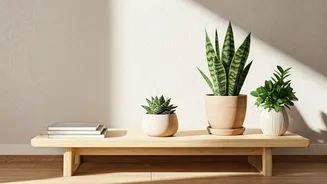
Often called mother-in-law's tongue, the snake plant is the champion of resilience. Its stiff, architectural leaves grow vertically, adding height to a room without demanding much floor space. It tolerates inconsistent watering, fluctuating temperatures, and, most importantly, very low light levels. In fact, direct sunlight can damage its leaves. Its clean lines make it a perfect fit for minimalist designs, and its air-purifying qualities are an added bonus for any living space.
ZZ Plant (Zamioculcas zamiifolia)
If you are a forgetful plant parent, the ZZ plant is your new best friend. Its wide, glossy leaves are so effective at reflecting light that they can make a dim corner feel a little brighter. This plant is exceptionally drought-tolerant thanks to its large, potato-like rhizomes that store water, meaning it can handle neglect. The ZZ plant is known for its ability to survive in very low light, making it a reliable choice for offices and darker rooms in your home.
Pothos (Epipremnum aureum)
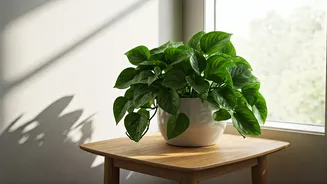
The ever-popular pothos is a trailing vine that brings a sense of movement and life to any surface. It's incredibly forgiving and thrives in a range of lighting conditions, including lower light. While heavily variegated types might lose some of their colouring in dimmer spots, the classic golden or jade pothos will remain lush. Let it trail from a bookshelf, hang from the ceiling in a macrame planter, or climb up a wall to create a vertical green element that draws the eye upward.
Cast Iron Plant (Aspidistra elatior)
As its name suggests, the cast iron plant is nearly indestructible. It features large, deep green leaves that thrive in the shade, making it perfect for the darkest corners of a room where other plants might struggle. It is tolerant of neglect, dust, and low humidity. This plant grows slowly, meaning it won't outgrow its pot or its space quickly, and its bold, upright foliage provides a dramatic, lush feel without creating clutter.
Peace Lily (Spathiphyllum)
For those who want a flowering plant in a low-light setting, the peace lily is an excellent choice. While it needs bright, indirect light to produce its signature white spathe flowers consistently, it will happily maintain its beautiful, glossy dark green foliage in shadier conditions. The peace lily is also a fantastic air purifier and has the added benefit of visibly drooping when it needs water, taking the guesswork out of its care routine.
Tips for Styling Without Clutter
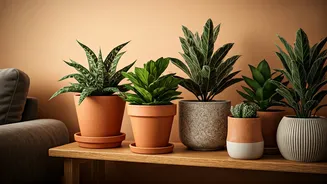
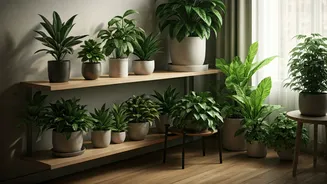
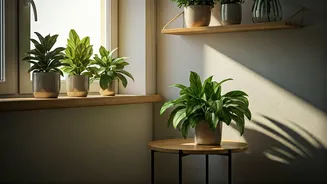
The goal is to brighten, not overwhelm. Instead of scattering many small pots, try grouping three plants of varying heights in a corner. Use plant stands or shelves to create vertical interest and keep floor space clear. Choose planters with a cohesive colour palette or material to create a unified look. Finally, consider placement. A tall plant in an empty corner can serve as a natural focal point, while a trailing plant on a mantle can soften hard edges, all without adding to the clutter.