





The Daily Lunch Dilemma
For many professionals in India's bustling cities, the midday meal has become a source of stress. The convenience of food delivery apps comes at a steep price, with daily orders quickly adding up and denting monthly budgets. A recent analysis shows that
ordering in can cost significantly more than a home-prepped meal, with some estimates suggesting families can save up to 40% on food costs by cooking at home. Beyond the financial strain, there are health concerns. Restaurant and takeaway meals are often high in calories, unhealthy fats, and sodium, leading to the dreaded post-lunch slump in productivity and contributing to long-term health issues. This combination of high costs and questionable nutrition has pushed many to seek a better alternative.
The Modern Revival of the Dabba
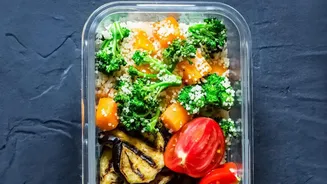
The concept of a packed lunch, or 'dabba', is deeply rooted in Indian culture, famously exemplified by Mumbai's dabbawalas. Today, this tradition is seeing a modern resurgence. Young professionals, facing rising living costs, are rediscovering the wisdom of the home-cooked meal. This isn't just about recreating mother's recipes; it's a conscious choice driven by financial prudence, health awareness, and a desire for control over what they consume. Recent data indicates a significant rise in searches for tiffin services across major Indian cities like Delhi, Mumbai, and Bangalore, reflecting a growing demand for reliable and affordable meal solutions.
The Compelling Economic Equation
The primary driver behind this trend is undeniable: it saves money. A typical meal ordered from a mid-range restaurant can cost anywhere from ₹250 to ₹400. Over a month of working days, this can easily exceed ₹5,000. In contrast, a home-cooked lunch using seasonal vegetables costs a fraction of that. Seasonal produce is cheaper because it is abundant and doesn't require expensive transportation or storage. By planning meals and buying local, in-season vegetables, professionals are slashing their daily food expenses, freeing up significant funds for savings or other priorities.
More Than Just Monetary Savings
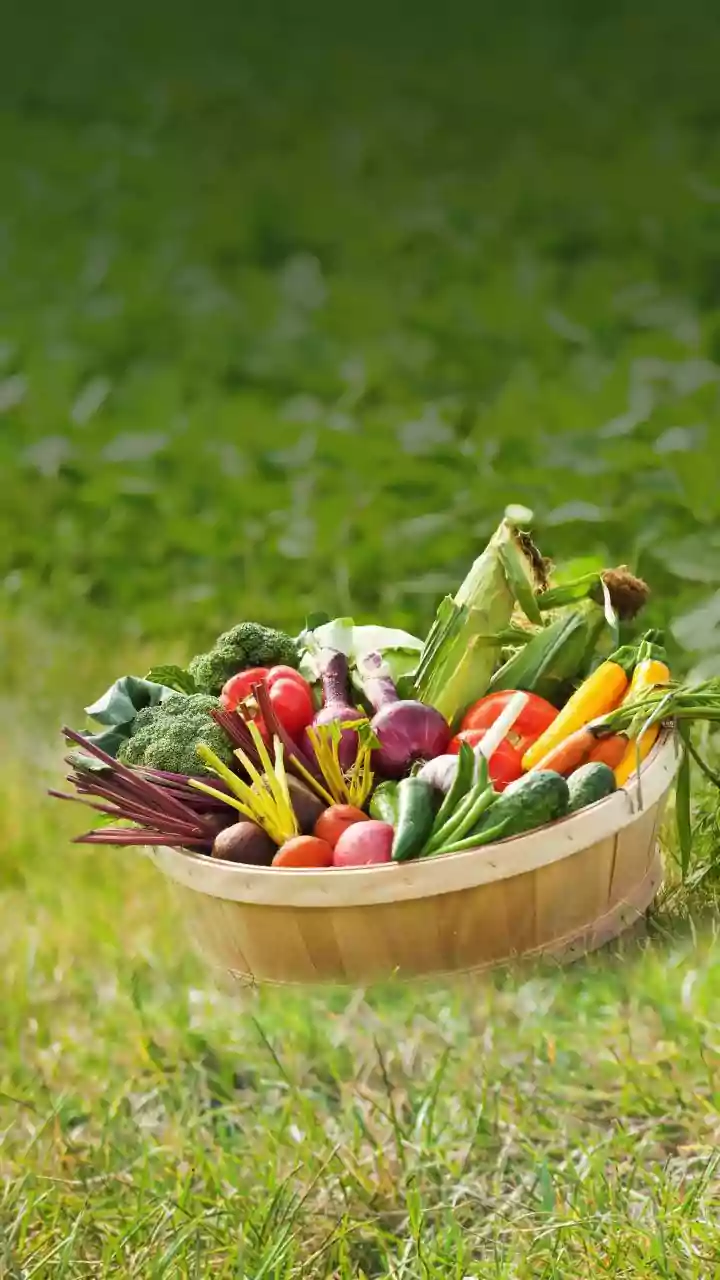
The benefits of a seasonal vegetable lunchbox extend far beyond the bank account. Eating seasonally ensures that produce is at its peak in terms of flavour and nutritional value. Vegetables that are harvested in their natural season contain higher levels of vitamins, minerals, and antioxidants compared to their out-of-season, cold-storage counterparts. This practice, deeply rooted in Indian traditions and Ayurveda, is believed to boost immunity and improve gut health. Furthermore, packing your own lunch allows for portion control and the avoidance of processed ingredients, leading to better energy levels and supporting overall well-being.
What's in the Box? A Seasonal Guide
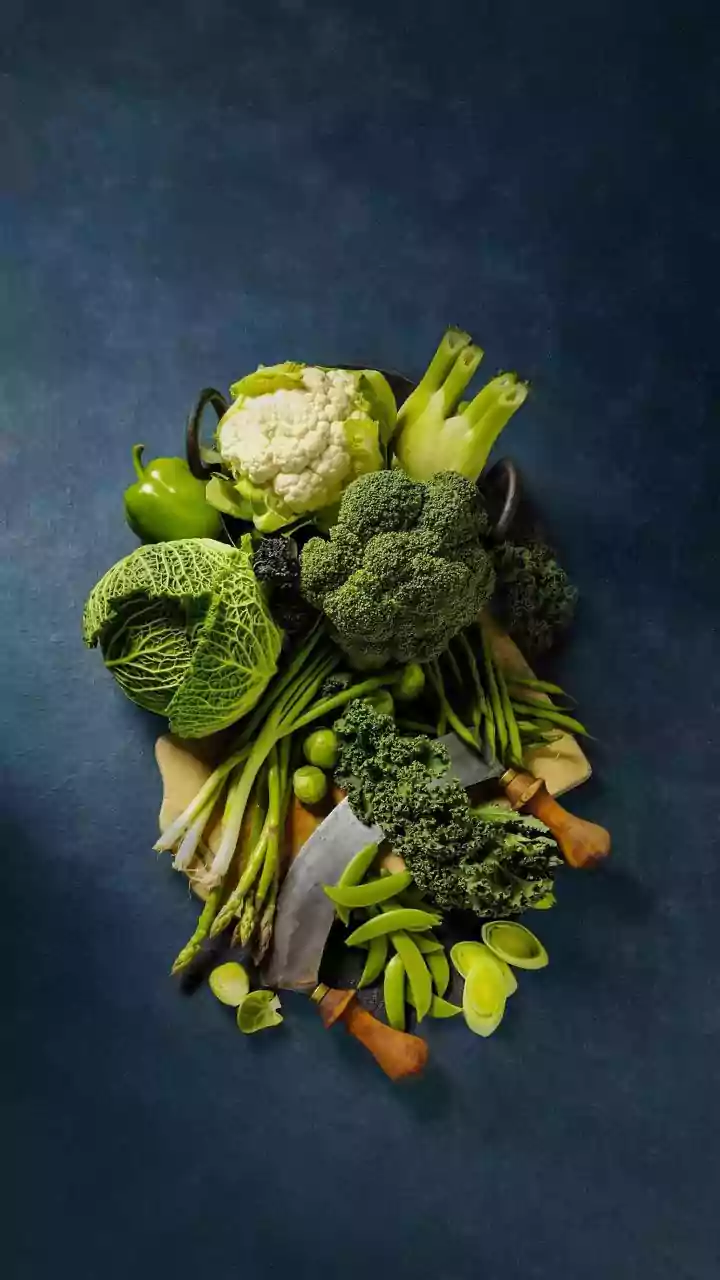
The beauty of a seasonal lunchbox is its ever-changing menu. During the hot summer months (Zaid), the dabba might feature light and cooling vegetables like bottle gourd (lauki), cucumber, and ridge gourd (tori). The monsoon (Kharif) brings lady's finger (bhindi) and snake gourd. Come winter (Rabi), the lunchbox transforms with warming, nutrient-dense vegetables like spinach (palak), mustard greens (sarson), carrots (gajar), peas (matar), and cauliflower (gobi). These can be prepared as simple stir-fries (sabzi), curries, or one-pot rice dishes like pulao, paired with whole-wheat rotis or a portion of rice or millets.
Getting Started on Your Lunchbox Journey
Adopting this habit can seem daunting, but a little planning goes a long way. Start by dedicating a few hours over the weekend to meal prep. You can chop vegetables, prepare base gravies, or even cook entire dishes like dal, rajma, or chole to be used during the week. One-pot meals like khichdi or vegetable pulao are excellent time-savers. For those who are too busy to cook, subscribing to a local tiffin service that specialises in home-style, seasonal meals can be a great alternative, providing the same benefits without the prep work.