

The Why Behind Plant Quarantine
Think of quarantining a new plant as biosecurity for your home. Nurseries and garden centres, as clean as they may seem, are environments where pests can easily hitch a ride. A plant that looks perfectly healthy can harbour tiny insects or their eggs,
which are invisible to the naked eye. Introducing an infested plant to your home can lead to a full-blown outbreak that can weaken, damage, or even kill your established plant family. Common culprits that arrive on new plants include spider mites, mealybugs, scale, and thrips. Quarantine gives you a crucial window of time to spot and deal with any issues before they have a chance to spread. It’s a simple, preventative habit that saves you from the stress and effort of fighting a widespread infestation later on.
Setting Up Your Quarantine Station
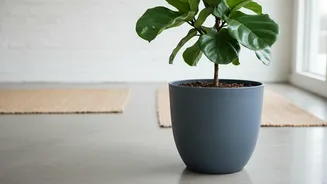
An effective quarantine zone is all about separation. Ideally, place your new plant in a completely different room from your other houseplants for the entire quarantine period. Pests like fungus gnats can fly, and others like spider mites can travel short distances, so simply placing a new plant on the other side of the same shelf is not enough. The quarantine spot doesn’t have to be a dark closet; the plant still needs appropriate light and care to stay healthy. A guest bathroom, laundry room, or home office with a window works well. If you lack a separate room, you can create a barrier by placing the plant inside a large, clear plastic bag, ensuring it gets air circulation and isn't in direct sun where it could overheat. No matter where you place it, make it an area you will remember to check regularly.
The All-Important Leaf and Stem Check
Upon bringing your plant home, and weekly thereafter, perform a thorough inspection. This is where the “leaf check” comes in. Use a magnifying glass if you have one. Look under every single leaf, as this is where many pests love to hide. Check along the stems, especially at the joints where leaves meet the stem. What should you look for? Specific signs include fine, silky webbing, which indicates spider mites. Small, white, cotton-like masses in plant crevices are a tell-tale sign of mealybugs. Flat, brown, or tan bumps that look like part of the stem could be scale insects. Silvery streaks or stippled, pale damage on leaf surfaces can be caused by thrips. Also, inspect the soil surface for any signs of fungus gnat larvae or adult flies. Any discoloration, spotting, or wilting should be noted, as these can be early signs of disease.
How Long Should Quarantine Last?
Patience is key. The recommended quarantine period is between two and six weeks. A minimum of two weeks may catch pests with shorter life cycles, but a longer period of four to six weeks is much safer. This extended timeframe accounts for the full life cycle of slower-developing pests like mealybugs and scale, ensuring that any dormant eggs have time to hatch and become visible. During this period, continue to care for the plant as you normally would with appropriate water and light. Continue your weekly inspections vigilantly. If you spot any pests during this time, the isolation allows you to treat the single plant without risking your entire collection.
Treating Pests Found in Quarantine
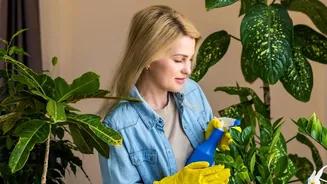
Finding pests doesn't mean you have to discard the plant. Since it's isolated, you can treat it effectively. For many common soft-bodied pests like aphids and mealybugs, a simple solution of rubbing alcohol on a cotton swab can remove them individually. For a more general approach, washing the leaves with a gentle, soapy water solution can be effective. You can also use commercially available insecticidal soaps or neem oil, which are safe for most houseplants when used as directed. When spraying, be sure to cover all surfaces of the plant, including the undersides of the leaves. After treatment, continue the quarantine and keep observing the plant to ensure the pests are completely gone before you consider moving it.