





Why Your Breakfast Needs Fibre
Fibre is a type of carbohydrate that your body cannot digest. Instead of being broken down into sugar, it passes through your system largely intact, providing a host of benefits. Starting your day with a fibre-rich meal provides sustained energy release,
preventing the sharp spikes and subsequent crashes in blood sugar often associated with sugary cereals or refined-flour pastries. This slow-and-steady energy helps maintain focus and concentration until lunch. Furthermore, high-fibre foods promote a feeling of fullness, or satiety, which can help manage weight by curbing the urge to snack on less healthy options later in the day. A high-fibre diet is also linked to a lower risk of heart disease, type 2 diabetes, and certain cancers.
Understanding Soluble and Insoluble Fibre
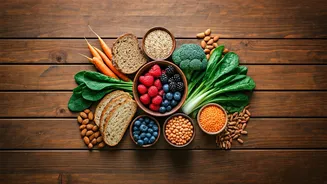
Dietary fibre comes in two main forms, and both are important for your health. Soluble fibre dissolves in water to form a gel-like substance in your digestive system. This process slows digestion, which helps regulate blood sugar levels and can lower LDL (bad) cholesterol. Good sources include oats, beans, apples, carrots, and chia seeds. Insoluble fibre does not dissolve in water. It adds bulk to your stool and helps food pass more quickly through the digestive system, promoting regularity and preventing constipation. You can find insoluble fibre in whole-wheat products, brown rice, nuts, and vegetables like cauliflower and green beans. Most plant-based foods contain a mix of both types, so a varied diet is key.
Easy Swaps for a High-Fibre Indian Breakfast
Boosting your breakfast fibre doesn't require a complete overhaul. Simple swaps can make a significant difference. Instead of traditional poha made from white rice, opt for brown rice poha, which retains the fibre-rich bran layer. Swap semolina-based upma for one made with steel-cut oats (dalia) or quinoa, and load it with vegetables to increase its nutritional value. When making pancakes or chillas, use whole-grain flours like ragi (finger millet), besan (gram flour), or sprouted moong dal instead of refined white flour. These alternatives are not only higher in fibre but also packed with protein. Even the humble idli can be transformed into a high-fibre meal by using millets or brown rice in the batter.
Power-Up Your Plate with Fibre Boosters
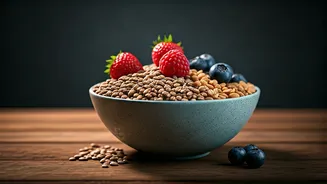
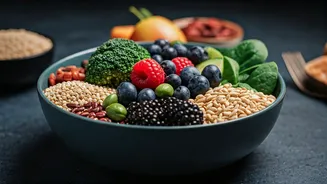
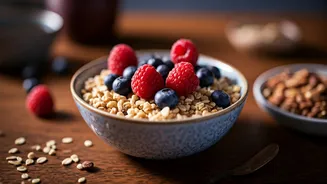
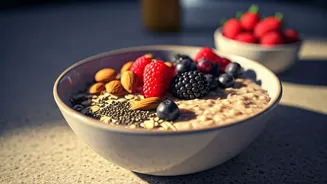
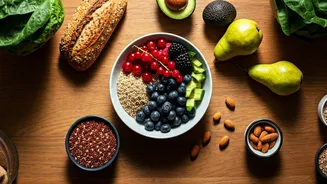
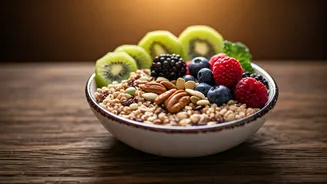
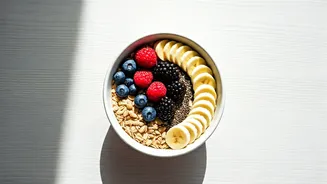
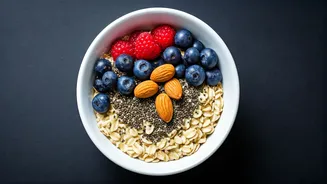
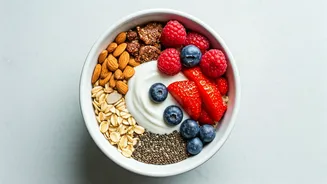
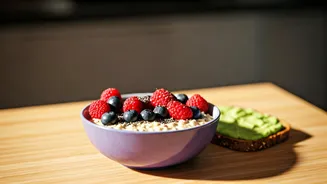
Beyond the main dish, you can easily increase the fibre content of any breakfast with simple additions. Sprinkle a tablespoon of chia seeds or ground flaxseeds over your oatmeal, yoghurt, or smoothie. Chia seeds pack an impressive five grams of fibre per tablespoon. Incorporate a handful of nuts like almonds or walnuts for added crunch, protein, and healthy fats. Adding fresh fruit is another excellent strategy. Berries, apples (with the skin on), pears, and guava are all great sources. Don't forget vegetables—they aren't just for lunch and dinner. Adding spinach to your eggs or grated carrots and peas to your upma can significantly boost your morning fibre intake.
Planning Ahead for Success
The key to consistently eating a healthy breakfast is planning. Taking a little time over the weekend can set you up for a week of nutritious mornings. You can pre-chop vegetables like onions, bell peppers, and carrots and store them in the refrigerator for quick additions to upma or omelettes. Prepare batters for chillas or dosas in advance. You can also make a batch of overnight oats or chia seed pudding; they will be ready to grab and eat on busy mornings. Cooking a pot of whole grains like quinoa or brown rice to use throughout the week is another effective strategy. By having these high-fibre components ready, you eliminate the morning rush as an excuse for skipping a healthy meal.