



The Global Pipeline to India
India is one of the world's largest consumers of oil, and its economy is heavily reliant on imports to meet this demand. A significant portion of this crude oil has historically come from the Middle East. For instance, in early 2026, around 52% of India's
crude imports passed through the Strait of Hormuz, a critical waterway in the Gulf. Key suppliers from the region include Iraq, Saudi Arabia, and the UAE. When conflicts flare up, as seen with the US-Iran tensions in 2026, this vital supply route is threatened. Any disruption or blockade, even a temporary one, can send shockwaves through global energy markets, creating uncertainty and pushing prices up.
What to Watch: The Strait of Hormuz
The most critical chokepoint for global oil transport is the Strait of Hormuz, and it has been a major flashpoint in 2026. Following military exchanges between the US and Iran, shipping traffic through the strait has been severely disrupted. Iran has warned that energy infrastructure across the Gulf could be vulnerable, adding a significant risk premium to oil prices. Analysts have warned that a prolonged disruption could cause crude prices to surge dramatically, with some investment banks like Goldman Sachs forecasting prices as high as $120 per barrel if attacks on shipping escalate. As of early September 2026, Brent crude, a key international benchmark, has already climbed above $97 per barrel, its highest level in weeks, largely due to these geopolitical fears.
How Global Prices Hit Your Local Petrol Pump
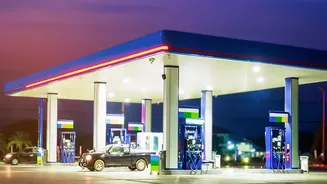
The price you pay for petrol and diesel isn't just about the cost of crude oil. In India, fuel prices are calculated using a dynamic system based on a 15-day rolling average of international rates. The final retail price is a combination of four main components: the base price (which includes crude cost, refining, and company margins), Central government's excise duty, a commission for the dealer, and the state government's Value Added Tax (VAT). Taxes are a major component, often making up more than half of the final price. This is why even when global crude prices fall, consumers may not see a proportional drop at the pump, as taxes can be adjusted to manage government revenues.
The Ripple Effect on Household Budgets
The impact of rising oil prices goes far beyond your personal vehicle. Diesel is the lifeblood of Indian transportation and agriculture. When diesel prices rise, the cost of transporting goods—from vegetables and grains to consumer products—increases. This inevitably leads to higher prices at your local market and stores. Economists estimate that a sustained 10% rise in crude oil prices can increase wholesale price inflation in India by nearly a full percentage point and reduce GDP growth. This means not only does your commute get more expensive, but so do everyday necessities, putting a strain on the entire household budget.
Government Levers and Long-Term Strategy
To cushion the economy from oil shocks, the Indian government has several tools, though each has its trade-offs. It can reduce excise duty on petrol and diesel, but this comes at the cost of government revenue. India also maintains strategic petroleum reserves to handle short-term supply disruptions. Over the long term, the most effective strategy is diversification. While India has made efforts to source oil from a wider range of countries, including Russia and Venezuela, it remains heavily dependent on a few key suppliers. The government has also stated it is exploring access to energy supplies that are not routed through the Strait of Hormuz to mitigate risks. Increasing the share of alternative energy sources in the country's portfolio remains the ultimate goal for achieving true energy security.