




A Return to Regional Roots
For years, Indian food outside of home kitchens was often defined by a familiar roster of Punjabi or Mughlai dishes. But that’s changing dramatically. The new obsession is with authenticity and hyper-regionalism. Chefs and home cooks are digging deep
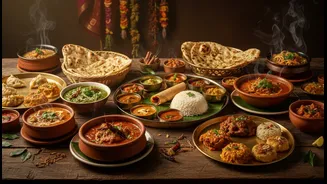
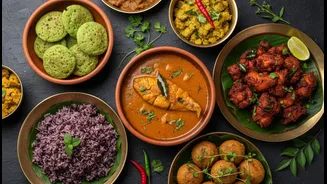
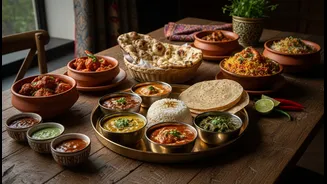
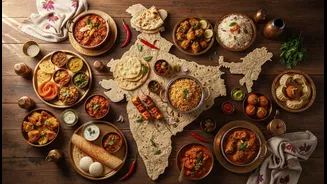
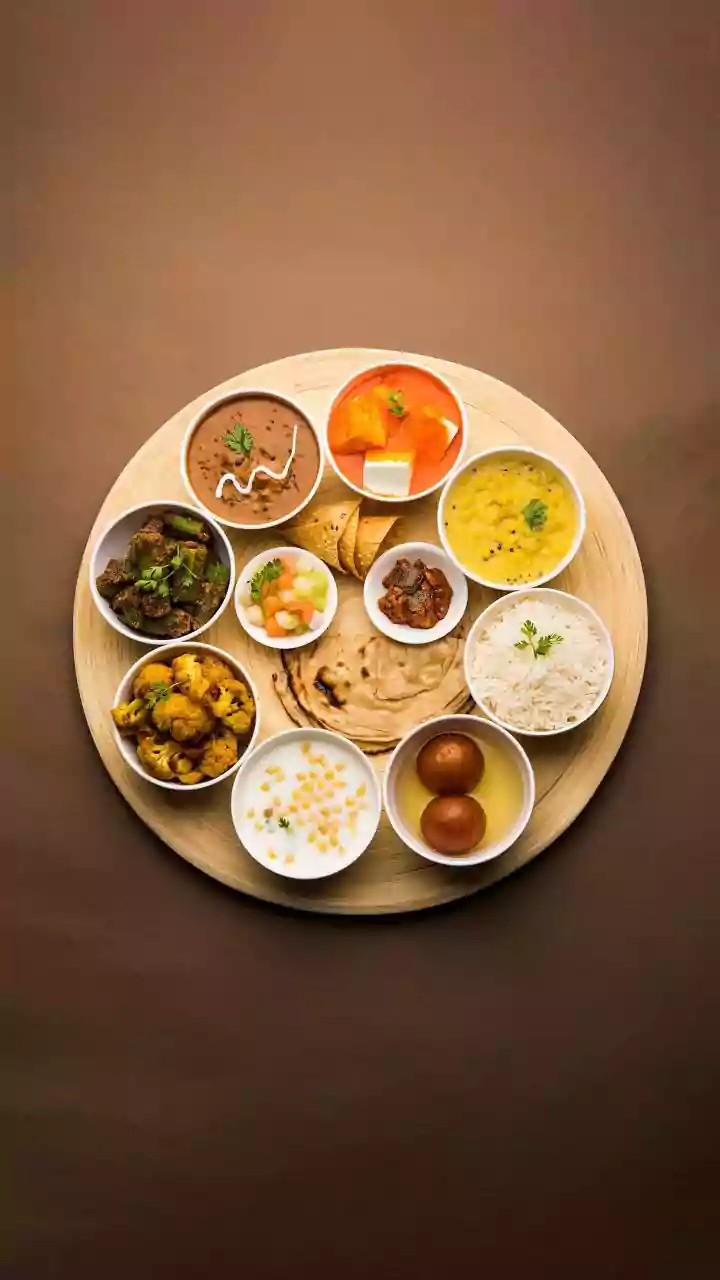
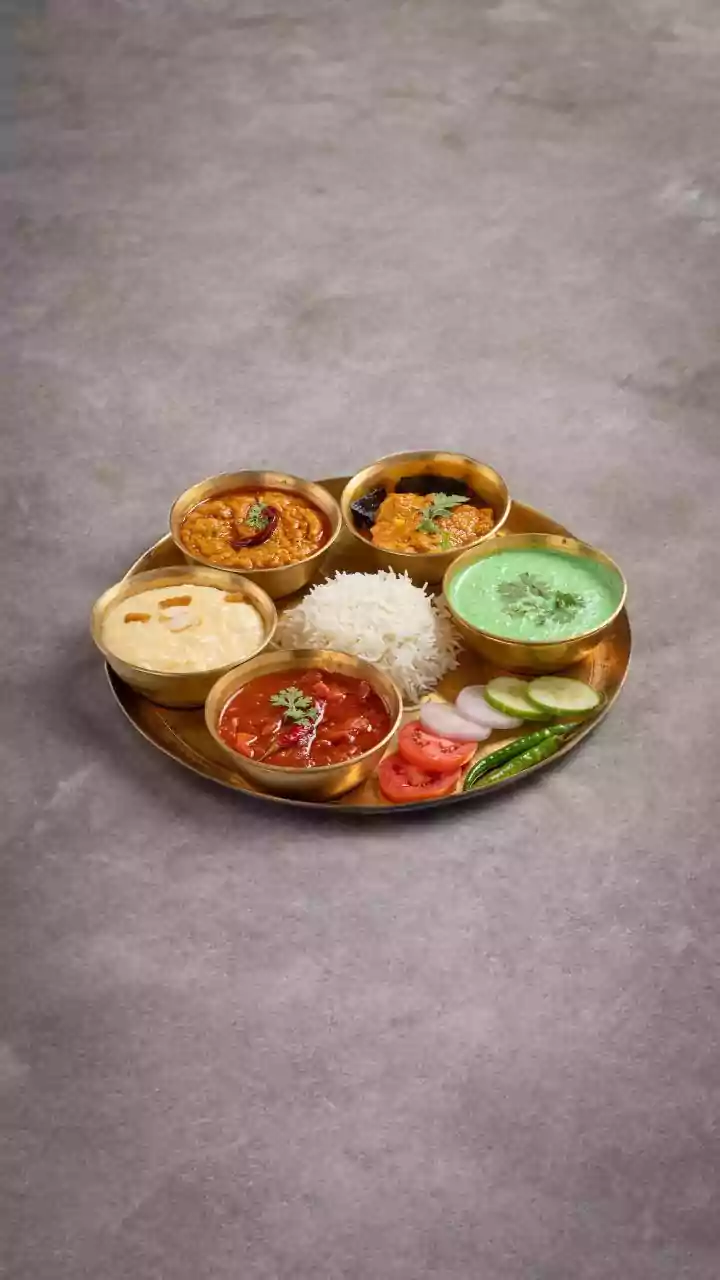
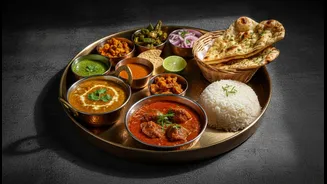
into the country's culinary corners, bringing once-obscure dishes to the forefront. Think of the smoky, pungent delights from Nagaland, like pork with bamboo shoots, or the fiery, tamarind-laced seafood curries from Andhra Pradesh's coastline. This movement goes beyond simply adding new dishes to menus; it's about celebrating the ingredients and techniques that make each region unique. Restaurants are now proudly showcasing dishes like Bihari litti chokha, Kerala's avial, and Bengali kosha mangsho, offering diners a taste of India's true culinary diversity that was previously only found in local homes. This shift is driven by a new generation of curious diners, who, thanks to social media and travel, are more eager than ever to explore beyond the familiar.
The Tangy Thrill of Fermentation
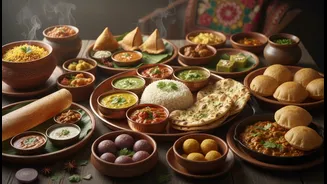
Tanginess is another key pillar of this flavour trend, and much of it is coming from India's ancient love for fermentation. While staples like dosa, idli, and dahi have been around for centuries, 2025 saw a massive revival of interest in all things fermented, driven by a growing awareness of gut health and wellness. But the trend has expanded far beyond the classics. You'll now find urban menus featuring regional fermented specialities like Gundruk, a tangy dish of fermented leafy greens from Sikkim, or the probiotic-rich drink Kanji, traditionally made with black carrots. This isn't just about health; it's about flavour. Fermentation adds a complex, sour dimension to food that is both refreshing and deeply satisfying. Chefs are experimenting with traditional fermentation techniques to create modern dishes, and the market for artisanal fermented products, from kombucha to unique pickles, is booming.
Spice Gets a Sophisticated Makeover
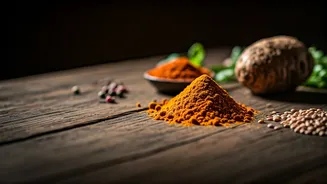
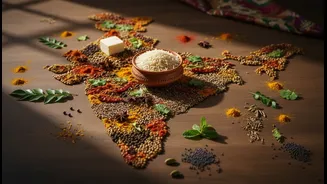
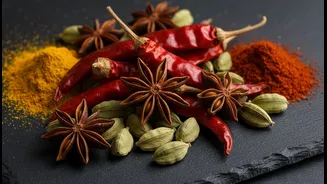
The 'spicy' in India's new dining obsession isn't just about mind-numbing heat. It's about the complexity and character of the chillies and spices themselves. There's a growing appreciation for specific regional chillies, each with a unique flavour profile. For instance, Rajasthan's Laal Maas gets its distinct smoky heat from Mathania chillies, while Chettinad cuisine from Tamil Nadu is known for its aromatic and fiery blend of spices, including black pepper and red chillies. Chefs are moving beyond generic chilli powder and showcasing prized ingredients like Nagaland's Bhut Jolokia (ghost pepper) not just for its fire, but for its flavour. This new approach to spice is also finding its way into 'swicy' (sweet and spicy) combinations, a trend that blends the heat of chillies with the sweetness of jaggery or honey in everything from chutneys to main courses, creating a balanced yet exciting sensory experience.
Why This, Why Now?
Several factors are fuelling this flavour shift. A new wave of Indian chefs is proudly championing indigenous ingredients and forgotten recipes, rewriting the rules of modern Indian cuisine. They are working with local farmers, reviving ancient grains, and placing hyper-local produce at the centre of their menus. At the same time, Indian diners have become more adventurous and well-informed, partly due to the influence of social media, where food trends can spread like wildfire. There is a growing sense of pride in local culinary heritage and a desire to connect with food that feels rooted and authentic. This isn't just a restaurant trend; it's a cultural movement. It reflects a nation growing more confident in its diverse identity, celebrating the bold, tangy, and spicy flavours that have always been a part of its story, but are now finally taking centre stage.