




Plan and Book Months in Advance
The single most important rule for visiting Ayodhya during Deepotsav is to plan well ahead. The 2026 event, the tenth edition, is expected to see a massive influx of visitors. Hotels, dharamshalas, and homestays are often fully booked two to three months
in advance. The main festival is anticipated to take place on Saturday, November 7, 2026, the evening before Diwali. This is when lakhs of earthen lamps will illuminate the ghats of the Saryu River. To secure your spot, book accommodation and travel (flights or trains) the moment you decide to go. Winter is peak season in Ayodhya due to pleasant weather, so procrastination is not an option.
How to Reach Ayodhya
Ayodhya is well-connected, but festival demand skyrockets. Flights to Ayodhya's Maharishi Valmiki International Airport (AYJ) are available from major cities like Delhi and Mumbai, but Lucknow's airport (LKO), about 135 km away, offers more connectivity. From Lucknow, a taxi ride takes about three hours. By train, the city has two main stations: Ayodhya Dham Junction and Ayodhya Cantt. The Vande Bharat Express from Delhi is a fast option. Road travel via expressways from Delhi, Lucknow, Varanasi, and Gorakhpur is also feasible, but be prepared for traffic diversions and add extra buffer time to your journey as you near the city.
Choosing Your Accommodation
Ayodhya offers a range of stays, from budget-friendly dharamshalas and homestays to modern hotels and luxury tent cities. During Deepotsav, location is key. Staying near the main attractions like Ram Ki Paidi or the Ram Mandir can save you travel time, but it will be noisier and more crowded. Properties located slightly further out may offer a more peaceful retreat from the festival's intensity and could have better vehicle access. Consider what's best for your group; a family with elderly members might prefer a quieter hotel with modern amenities over a heritage property in a congested lane.
Experiencing the Deepotsav Spectacle
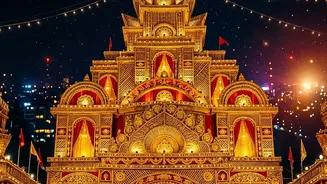
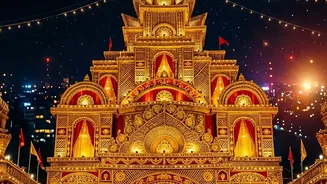
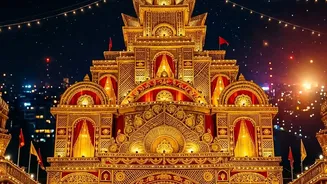
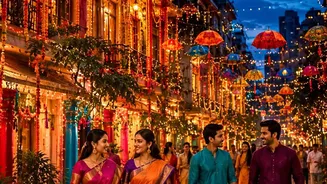
The heart of Deepotsav is the breathtaking lighting of millions of diyas along Ram Ki Paidi at dusk. This is a state-organised event, and public entry is free but requires navigating large crowds and security checks. To get a good viewing spot, you must arrive at the designated public areas by mid-afternoon, as entry points may close once capacity is reached. Besides the diyas, the festival includes cultural performances, Ram Leela enactments, a grand Saryu Aarti, and spectacular laser and drone shows that narrate tales from the Ramayana.
Navigating the Crowds and City
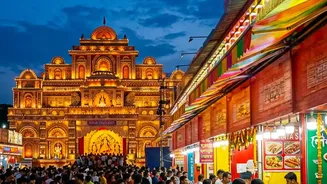
Expect significant crowds and security measures. Vehicle movement near the main festival zones, especially around Ram Path and the ghats, is heavily restricted on the main event day. Be prepared to walk considerable distances. Wearing comfortable footwear is essential. E-rickshaws are the primary mode of local transport for shorter distances, but their availability can be scarce during peak hours. Plan your days simply, focusing on one or two key areas rather than trying to see everything at once. Keep your phone charged, carry a power bank, and have some cash handy.
Beyond the Festival: A City Break
While Deepotsav is the main draw, plan for a two or threenday trip to explore Ayodhya's other sacred and historical sites. A visit to the magnificent Ram Janmabhoomi Mandir is a priority for most visitors. Other must-see places include Hanuman Garhi, a temple perched on a mound offering panoramic views; the beautiful Kanak Bhawan, said to be a palace gifted to Sita; and the serene Guptar Ghat on the Saryu River. Visiting these sites on the days before or after the main Deepotsav evening can provide a more relaxed experience.