


The Calcium Champion: Ragi
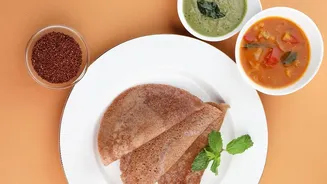
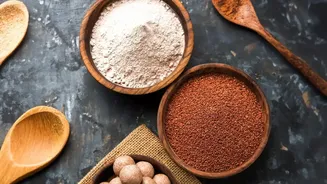
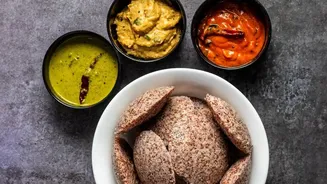
When it comes to plant-based calcium, Finger Millet, or Ragi, stands in a class of its own. It is one of the richest natural sources of calcium, containing up to 364 mg per 100g. To put that in perspective, this is nearly ten times the amount found in rice
or wheat and significantly more than most other cereals. This exceptional calcium content makes ragi a crucial food for bone health, helping to strengthen bones and teeth. It is especially beneficial for growing children, pregnant women, and the elderly, who have higher calcium requirements. Regular consumption can play a role in preventing osteoporosis and other bone-density-related issues.
The Iron Powerhouse: Bajra
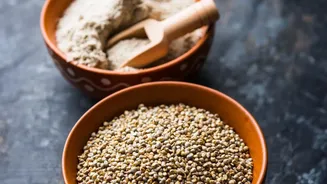
Pearl Millet, or Bajra, is a nutritional heavyweight, particularly for its iron content. It is one of the best plant-based sources of this essential mineral, providing as much as 8 mg per 100g in some varieties. This is significantly higher than polished rice and even most other millets. Iron is a critical component of haemoglobin, the protein in red blood cells that carries oxygen throughout the body. A diet rich in iron helps combat fatigue and can prevent iron-deficiency anaemia, a common concern in India, especially among women and children. The high iron levels in bajra make it an excellent grain for boosting energy and overall vitality.
Beyond the Numbers: The Bioavailability Factor
Simply having high levels of nutrients isn't the full story; what matters more is how much your body can actually absorb—a concept known as bioavailability. Millets, like many plant-based foods, contain compounds called anti-nutrients, such as phytic acid and tannins. These can bind to minerals like iron and calcium, making them less available for your body to use. However, the reason native millets are so effective is that traditional Indian food preparation methods naturally counteract these effects. Practices like soaking, sprouting, and fermenting are scientifically proven ways to reduce anti-nutrients. Germination, for example, activates enzymes that break down phytates, while fermentation can increase the bioavailable iron by over 300%.
Unlocking Nutrients with Traditional Wisdom
The way we cook and eat millets plays a huge role in unlocking their nutritional power. Our ancestors knew this intuitively. Fermenting millet batter for dosas or idlis, sprouting ragi for malt, or soaking bajra before making rotis are all traditional practices that enhance nutrient absorption. Another simple yet powerful strategy is food pairing. Combining iron-rich millets like bajra with a source of Vitamin C—such as a squeeze of lemon, a tomato-based curry, or amla—can dramatically increase iron absorption. Vitamin C converts the non-heme iron found in plants into a more absorbable form. This synergy between the grain and how it's prepared is the real secret behind the exceptional nutritional benefits of native millets.
A Spectrum of Benefits
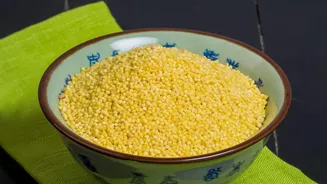
While ragi and bajra are superstars for calcium and iron, other native varieties offer their own unique advantages. Jowar (Sorghum) is prized for its high fibre content, which aids digestion. Foxtail Millet (Kangni/Thinai) is rich in antioxidants and helps manage blood sugar levels. Little Millet (Kutki) is also a good source of iron and is easy to digest. By rotating different types of millets in your diet, you ensure a wider spectrum of micronutrients. They are also naturally gluten-free, have a low glycaemic index, and are packed with fibre and protein, making them an excellent choice for managing weight, controlling diabetes, and improving overall metabolic health.