

Why Bother With Indoor Plants?
Before we dive into our two star players, let's talk about why you should even consider bringing plants indoors. Beyond the obvious aesthetic upgrade, indoor plants can significantly boost your well-being. Studies and horticultural experts have pointed
out that greenery can help purify indoor air by filtering common household toxins. They can also have a calming effect, reduce stress, and improve focus, making your home not just more beautiful, but also a healthier and more serene environment to live in. Starting this journey doesn't require a green thumb, just the right plants.
Meet the Snake Plant: The Survivor
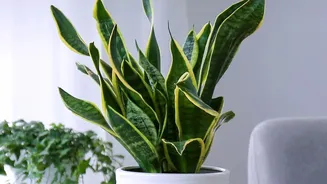
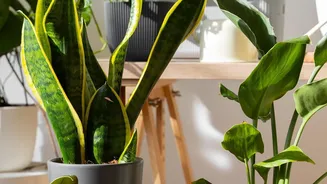
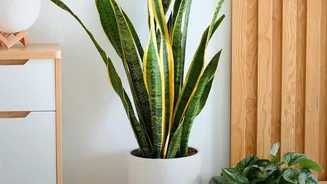
The Snake Plant, also known by its scientific name Sansevieria trifasciata (or more recently Dracaena trifasciata), is the very definition of a low-maintenance hero. Often called 'mother-in-law's tongue' for its sharp, pointed leaves, this plant is a master of survival. It's a succulent, which means it stores water in its leaves and is extremely drought-tolerant. Forget to water it for a few weeks? It will likely forgive you. Snake plants are also famously adaptable to different light conditions, thriving in bright, indirect light but also tolerating low-light corners where other plants might struggle. This makes them perfect for beginners or anyone with a busy lifestyle.
Styling With the Upright Snake Plant
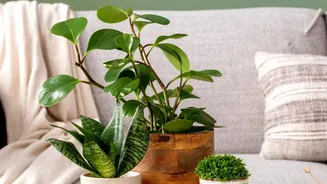
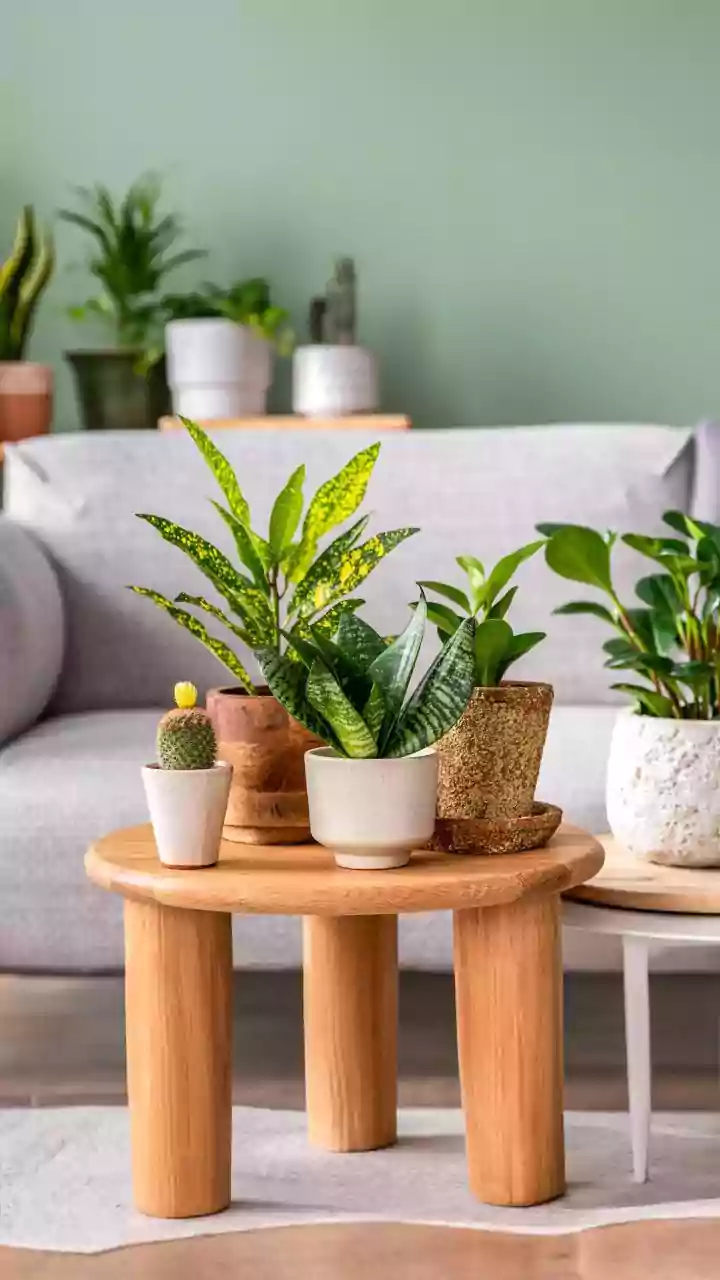
The architectural, vertical shape of the Snake Plant makes it a versatile decorating tool. Its upright leaves add a sense of height and modern elegance to any room. For a bold statement, place a large Snake Plant in a stylish floor pot in an empty corner of your living room or entryway. Smaller varieties, like the 'Samurai Dwarf', are perfect for adding a touch of green to a bookshelf, side table, or office desk without taking up too much space. Their clean lines contrast beautifully with softer furniture and textiles. You can group pots of different sizes or use a single plant as a striking focal point.
Introducing the Pothos: The Trailing Beauty
If the Snake Plant is the stoic hero, the Pothos (Epipremnum aureum), or Devil's Ivy, is the graceful, cascading artist. This plant is beloved for its heart-shaped leaves and long, trailing vines that can grow several feet long. Like the Snake Plant, Pothos is incredibly resilient and can tolerate a wide range of conditions, from low light to bright, indirect sun. Overwatering is the most common mistake, so it's best to let the top inch or two of soil dry out between waterings. Its fast-growing nature provides a quick sense of accomplishment for new plant parents, and it’s famously easy to propagate from cuttings in a simple glass of water.
Decorating With Trailing Pothos
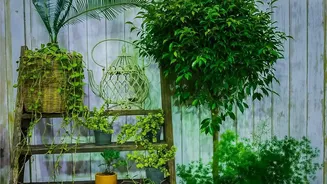
The true magic of Pothos lies in its vines. Let them drape elegantly from a hanging basket in a corner, creating a beautiful curtain of green. Place one on top of a tall bookshelf or cabinet and allow the vines to cascade down, softening the hard lines of the furniture. You can also guide the vines to 'climb' across a wall using small, clear hooks for a living art installation, or let them trail along a mantelpiece. With varieties ranging from the classic Golden Pothos to the speckled 'Marble Queen', you can play with different colours and patterns to match your decor.
A Note for Pet Owners and Parents
While these plants are fantastic for adults, it's crucial to know that both Snake Plants and Pothos are toxic to cats, dogs, and humans if ingested. The plants contain compounds that can cause mouth irritation, drooling, vomiting, and digestive upset in pets. While human reactions are generally milder, it's safest to keep these plants out of reach of curious pets and small children. Placing them on high shelves, using hanging planters, or dedicating a plant-free zone for kids and pets ensures everyone can coexist safely and happily.