






Beyond Traditional Dahi
For generations, the Indian dairy experience was defined by staples like homemade curd (dahi), paneer, and lassi. But the refrigerated shelves of today tell a different story. They're now home to products that were once niche but are fast becoming mainstream.
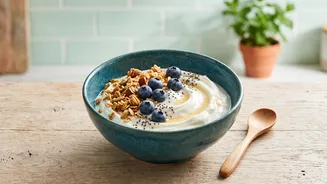
Brands like Epigamia, Amul, Nestlé, and Danone are leading this charge. Packaged Greek yoghurt, which is essentially strained curd to make it thicker and higher in protein, has become a go-to breakfast and snack item. Alongside it are ready-to-drink protein shakes and milk-based beverages, which cater to the needs of those with active lifestyles. Then there are probiotic drinks, small bottles packed with beneficial gut bacteria, promising improved digestion and immunity. This expansion reflects a fundamental shift in what Indian consumers want from their food: not just taste and tradition, but tangible health benefits and convenience.
The Urban Quest for Wellness
This transformation is being driven by a growing class of health-conscious urban consumers. With rising disposable incomes and greater awareness of lifestyle-related health issues, many Indians are proactively managing their well-being. This 'wellness' trend is particularly prominent among millennials and Gen Z, who view food as fuel for their fitness goals and busy schedules. Protein, once a concern primarily for athletes, is now a buzzword for the average person looking to stay full longer, manage weight, and build strength. Greek yoghurt, for instance, offers nearly double the protein of traditional dahi, making it a popular post-workout snack. This demand for nutrient-dense foods is reshaping not just what people buy, but their entire approach to eating.
Convenience in a Cup
Modern urban life is hectic, and food choices often come down to what is quickest and easiest. This is where the new wave of dairy products truly excels. A cup of Greek yoghurt or a ready-to-drink protein beverage is a complete, mess-free snack that requires no preparation. It’s a far cry from traditional options that may need to be set at home or prepared. This grab-and-go convenience is a major selling point for working professionals, students, and anyone juggling a packed schedule. Probiotic drinks are similarly designed for a quick, daily health ritual. As lifestyles become more time-poor, the demand for convenient yet healthy solutions is expected to grow, further cementing the place of these products on the wellness shelf.
Decoding Protein and Probiotics
A key reason for the popularity of these products lies in their specific nutritional claims. Greek yoghurt's main appeal is its high protein content, which is achieved by straining out the liquid whey. This process results in a product that is not only thicker and creamier but also lower in sugar (lactose) than regular dahi. This makes it particularly appealing for those managing their sugar intake or with mild lactose sensitivity. Protein drinks offer a straightforward, measurable dose of protein, which is essential for muscle repair and satiety. Probiotics, on the other hand, cater to the growing interest in gut health. The market for probiotic foods and supplements in India has seen significant growth, nearly doubling in five years to over ₹2,000 crore by 2025. These products contain live bacteria that are believed to support a healthy digestive system and boost immunity.
An Evolving Palate, Not a Replacement
While these new products are gaining ground, they are not replacing traditional dairy. Homemade dahi remains a cultural and culinary staple, valued for its affordability and natural fermentation process, which may offer a more diverse range of beneficial bacteria. Instead, the market is expanding to offer more choices. Consumers now have options tailored to specific needs: dahi for its traditional goodness and probiotic diversity, and Greek yoghurt for a protein-packed, creamy snack. This evolution is driven by both homegrown startups and global giants adapting their offerings for the Indian palate, introducing flavours like mango and rose. It signifies a market that is maturing, where consumers can choose between tradition, convenience, and specialised nutrition.