






The Post-Pandemic Fitness Boom
The shift towards walking wasn't sudden, but the COVID-19 pandemic acted as a powerful catalyst. Confined to our homes during lockdowns, many of us realised the urgent need for accessible physical activity. With gyms closed and team sports impossible,
walking emerged as the simplest, safest, and most readily available option. It was a way to escape the confines of four walls, breathe fresh air, and work on the one thing that became paramount: immunity. Studies, including the comprehensive GOQii India Fit Report, have consistently shown that walking has been the most preferred form of exercise for a majority of Indians in the post-pandemic era. It was a rediscovery of a fundamental human activity, reframed as a vital tool for both physical and mental resilience in uncertain times.
The Great Equaliser of Fitness
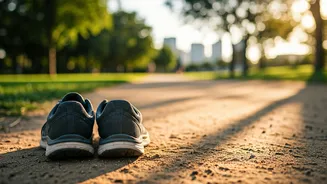
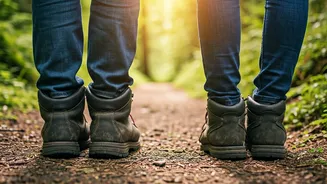
Perhaps the biggest reason for walking's soaring popularity is its sheer democracy. It costs nothing. You don't need expensive memberships, fancy equipment, or specialised training. All you need is a decent pair of shoes and the motivation to step outside. This makes it the great equaliser in the world of fitness. From a CEO in a high-rise to a homemaker in a small town, from a college student to a retiree, anyone can do it. In a country with vast economic diversity, walking breaks down barriers. It's an activity that transcends age, income, and fitness levels, allowing entire families and diverse communities to participate together. This inherent inclusivity is something no state-of-the-art gym can ever truly replicate.
More Than Just Physical Health
While the physical benefits of walking are well-documented—improved cardiovascular health, weight management, and stronger bones—its impact on mental well-being is what has truly cemented its place in our daily routines. A brisk walk is a potent stress-buster. It offers a much-needed break from screens, work pressures, and domestic anxieties. The rhythmic motion has a meditative effect, helping to clear the mind and improve mood by releasing endorphins. For many, the morning or evening walk has become a non-negotiable ritual for mental clarity, a time for quiet reflection or listening to music and podcasts. It's a form of self-care that requires no appointments and delivers immediate results, making it an indispensable tool for navigating the complexities of modern Indian life.
A Social and Community Affair
Walking in India is rarely a solitary pursuit. It is deeply social. It's the 'colony uncle' walking group dissecting the day's news. It's friends catching up after a long day at work. It's couples spending quality time together, and parents bonding with their children away from digital distractions. Residential complexes and local parks have transformed into vibrant social hubs where connections are forged and communities are strengthened, one step at a time. This social dimension provides motivation and accountability, turning a simple exercise into an enjoyable daily ritual that people look forward to.
Gamified by Technology
The rise of affordable fitness trackers and smartphone apps has added another layer to walking's appeal. The simple goal of hitting '10,000 steps a day' has become a powerful motivator for millions. Technology has gamified the experience, introducing a sense of achievement and friendly competition. People track their progress, share milestones on social media, and participate in virtual challenges. This digital integration has made walking more engaging and measurable, transforming it from a casual activity into a tangible health goal that fits perfectly into our data-driven lives. It gives a modern, tech-savvy spin to one of the oldest forms of human movement.