


Beyond the Textbook
Remember memorising the parts of a flower from a diagram? Or learning about the water cycle from a chart on the wall? While useful, this form of passive learning is being challenged by a more primal, effective method: direct experience. The new wave of nature
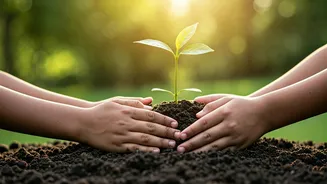
education is built on a simple premise: to truly understand, appreciate, and protect the natural world, you must touch it, smell it, and feel a part of it. It’s a move away from rote learning and toward 'embodied cognition'—where knowledge is gained through physical interaction with the environment. This isn’t just about getting kids to play outside; it’s a structured, intentional approach to fostering curiosity, resilience, and a deep-seated ecological awareness that simply cannot be downloaded from an app.
The Forest School Philosophy
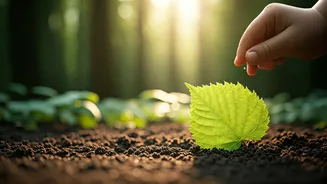
At the forefront of this movement is the concept of the 'forest school'. Originating in Scandinavia and now taking root in Indian cities like Bengaluru, Pune, and Mumbai, this model is less a school and more a philosophy. There are no classrooms or bells. The 'curriculum' is co-created by the children and the environment itself. A fallen log becomes a balance beam or a gathering spot for stories. A muddy patch becomes a laboratory for understanding insects and soil. These programmes, often run in local parks, botanical gardens, or city-adjacent forests, are child-led and play-based. Facilitators are there not to instruct but to guide, ensuring safety while allowing children the freedom to take calculated risks, solve problems collaboratively, and build a relationship with a specific patch of nature over repeated visits. It’s about building confidence and character through mud, rain, and sunshine.
More Than Just a Walk
The benefits of this hands-on approach are profound and well-documented. Physically, it improves motor skills, balance, and coordination. Mentally, it has been shown to reduce stress, improve concentration, and combat the symptoms of anxiety and ADHD. Unstructured play in natural settings forces children to become creative problem-solvers. How do we build a shelter with these branches? What kind of insect made this trail? This kind of learning stimulates critical thinking and scientific inquiry in a way no worksheet ever could. It also fosters emotional intelligence and resilience. When a child slips in the mud, they learn to pick themselves up. When they work with others to move a heavy branch, they learn collaboration and communication. These are the soft skills crucial for success in the 21st century.
Citizen Science and Urban Jungles
This trend extends far beyond programmes for young children. Adults, too, are getting their hands dirty. Citizen science projects invite the public to participate in real scientific research, turning a simple walk in the park into a data-gathering mission. In India, platforms like iNaturalist and eBird allow anyone with a smartphone to document local biodiversity, contributing to large-scale studies on everything from bird migration to the impact of climate change on plant life. Many urbanites are participating in city-wide bird counts, butterfly-watching events, or volunteering for lake and beach clean-up drives. These activities transform our perception of the city, revealing the 'urban jungle' that exists all around us and empowering individuals to become stewards of their local environment. It's a powerful reminder that you don't need to travel to a remote national park to connect with nature.
Starting Your Own Adventure
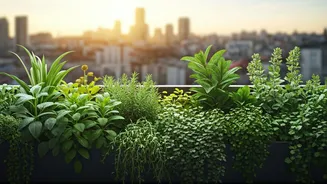
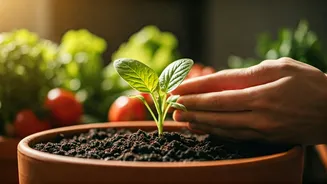
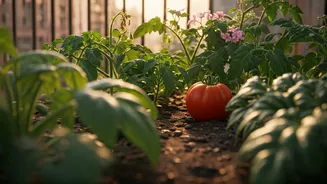
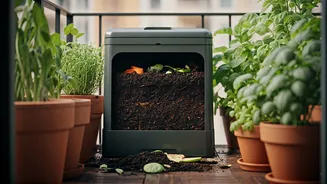
Embracing this hands-on approach doesn't require enrolling in a formal programme. It can start small and in your own neighbourhood. Begin by taking regular 'wonder walks' with no destination in mind, focusing on what you can see, hear, and touch. Create a simple nature journal to draw or press flowers and leaves. A small balcony can become a mini-garden for growing herbs or attracting butterflies. Plan a family visit to a local nature trail, a botanical garden, or a bird sanctuary. The key is to shift the goal from 'covering distance' to 'making discoveries'. Leave the phone behind, ask open-ended questions like "What do you notice?" and let curiosity be your guide. The goal is connection, not perfection.