



A Deceptive Sense of Security
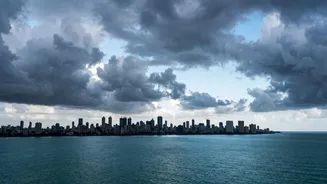
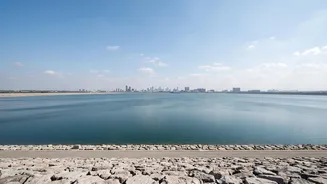
As of late August, Mumbai's water reservoirs are in a strong position. The collective water stock across the seven key lakes—including Bhatsa, Upper Vaitarna, and Tansa—hovers around 96% of total capacity. On paper, this is a picture of health. The city's
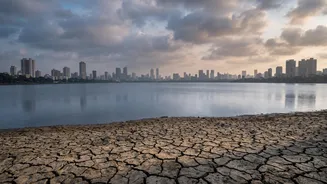
water supply seems secure for the coming year, a stark contrast to the low levels and water cuts experienced earlier in the season. Several lakes, like Vihar, reached full capacity weeks ago after heavy spells in July. This abundance, however, masks a more precarious reality. The healthy water levels are a legacy of a wet July, not the result of a consistent, well-distributed monsoon. August, a critical month for rainfall, has largely been a disappointment, and this is forcing a strategic rethink.
The Reality of a Dry August
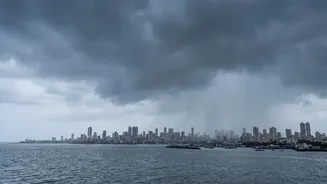
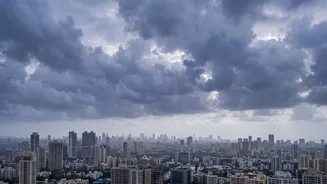
While Mumbai’s catchment areas benefited from earlier downpours, the broader monsoon story for 2026 has been one of weakness and inconsistency. Weather agencies had already forecast a below-normal August for many parts of the country, including Maharashtra's Konkan coast. Across India, the monsoon has been running at a significant deficit, with some sources putting the seasonal shortfall at its highest in nearly two decades. This erratic behaviour—long dry spells punctuated by intense, but brief, rainfall—is becoming a hallmark of a changing climate. For a city like Mumbai, which depends entirely on its reservoirs being replenished between June and September, a month of weak rainfall is a serious warning. It demonstrates that a good start to the monsoon is no guarantee of a secure finish, making over-reliance on the present situation a risky gamble.
The Limits of Short-Term Prediction
For the average Mumbaikar, the daily rain forecast is a crucial tool for navigating traffic and avoiding waterlogged streets. For the Brihanmumbai Municipal Corporation (BMC), however, these 24-hour predictions are insufficient for the monumental task of managing water for over 20 million people. Planning for year-round water security requires looking months, not hours, ahead. The experience from earlier this year, when low lake levels prompted a 10% water cut as a precautionary measure, serves as a potent reminder of the city's vulnerability. Relying on the hope that the next weather system will deliver enough rain to top up the lakes is a reactive strategy that leaves the city exposed to the whims of an increasingly unpredictable monsoon. The weak performance in August is the catalyst pushing the administration to adopt a more forward-looking and resilient approach.
A New Playbook for Water Security
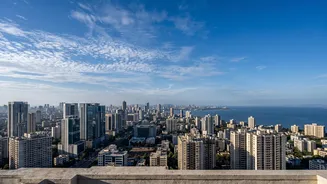
The shift in thinking is already underway. Mumbai is beginning to look beyond immediate rainfall and toward a more comprehensive water management strategy. This pivot is embedded in long-term initiatives like the Mumbai Climate Action Plan (MCAP), which acknowledges the need for climate resilience in all aspects of urban planning. Officials are exploring sophisticated, long-range forecasting models, some driven by artificial intelligence, that can offer better predictions weeks or even months in advance. These tools could allow for more strategic decisions about water use and conservation long before a crisis hits. Furthermore, there is a growing focus on diversifying water sources through projects like wastewater recycling and desalination plants, alongside improving existing infrastructure to prevent leaks and losses. This represents a move from simply managing supply to actively managing demand and building a water system that is less dependent on a perfect monsoon.