







The Shifting Festive Basket
The festive season, which kicks off with events like Raksha Bandhan and builds momentum through Navratri and Dussehra, is a critical period for the Indian economy. For 2026, analysts predict the strongest festive online retail growth in five years. However,
the real story lies in what people are buying. Traditionally dominated by electronics and smartphones, this year's growth is being driven by other categories. Projections show significant spending increases in grocery, beauty, personal care, home furnishings, and fashion. Fashion is expected to remain the largest online retail category, but grocery is on track to become the second-largest, even overtaking mobiles for the full year. This indicates a fundamental shift in consumer priorities, moving beyond big-ticket electronics to encompass a wider range of lifestyle and household needs.
Digital Dandiya and E-commerce
E-commerce platforms are preparing for a massive surge in traffic, with an estimated 180-185 million shoppers expected to make purchases online during the festive period. The window from Navratri to Diwali is the single largest peak for online commerce in India. But it's not just about discounts anymore. Quick commerce is rapidly expanding beyond groceries into festive categories like fashion, beauty, and even electronics, promising deliveries in minutes rather than days. This convenience is changing how people plan their festive purchases, allowing for more spontaneous and last-minute shopping for everything from puja essentials to party outfits. Furthermore, the growth is not just happening in metros; Tier-2 and Tier-3 cities are becoming increasingly important, driving demand and shaping trends.
Conscious Celebrations on the Rise
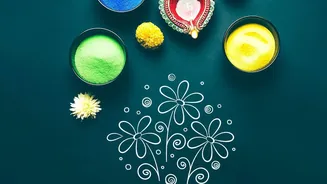
A growing environmental consciousness is changing the very fabric of festive celebrations. For Navratri 2026, there is a noticeable trend towards sustainability. This is visible in the demand for eco-friendly idols made of clay and natural materials, which dissolve easily and do not pollute water bodies. Artisans are innovating with seed-embedded idols that can be planted after the festival. The trend extends to decorations, with a move away from plastic and thermocol towards items made from jute, bamboo, and upcycled fabrics like old sarees. Even the diyas are getting a green makeover, with a preference for traditional earthen lamps, soy wax candles, and energy-efficient LED lights. This push for sustainability reflects a deeper desire for mindful celebrations that honour tradition without harming the planet.
Fashion: Wearable Tradition and Sustainable Style
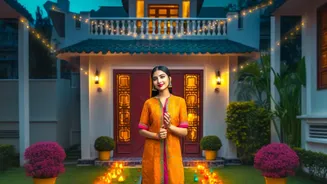
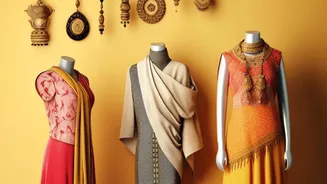
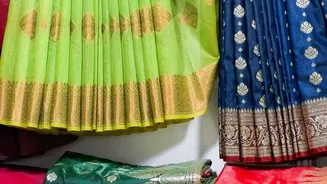
Navratri has always been a fashion-forward festival, and 2026 is no exception. The nine nights, each with a designated color, inspire elaborate wardrobe planning. This year, however, trends are leaning towards more wearable and versatile pieces. The focus is shifting from heavy, single-use outfits to festive wear that can be styled for multiple occasions. Designers are favoring lighter embroidery, breathable fabrics, and fusion silhouettes that blend Indian and Western aesthetics, like pairing palazzos with kurtas or belting a saree. There's also a significant push towards eco-friendly fashion, with organic cotton, hand-woven textiles, and recycled fabrics gaining popularity. Statement dupattas and oxidized silver jewelry remain key accessories to complete the festive look.
Experiences Over Everything
While shopping remains central to the festive experience, there's a growing inclination to spend on creating memories rather than just acquiring things. This translates to a higher demand for services and experiences. Families are planning festive-themed travel, attending garba and dandiya workshops, and participating in curated community events. Sharad Navratri 2026, which begins on October 11th and concludes with Dussehra on October 20th, provides a long window for these activities. The planning extends to home celebrations, with a focus on gourmet food delivery, DIY decoration kits, and intimate gatherings that prioritize connection and togetherness. This pivot towards experiences suggests a modern reinterpretation of a timeless festival, where the joy of participation is as important as the act of celebration itself.