






The Difference in a Press: How They're Made
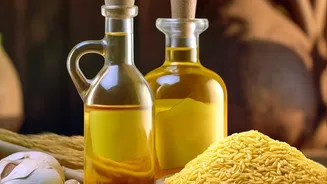
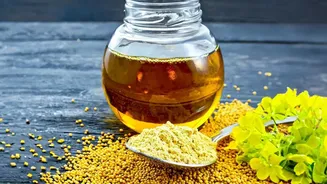
The fundamental difference between cold-pressed mustard oil and refined oils lies in their extraction process. Cold-pressed oil, often called 'kachi ghani', is made by simply crushing mustard seeds at a low temperature and extracting the oil. This mechanical
method involves no chemicals or high heat, which means the oil retains its natural colour, potent aroma, and, most importantly, its nutrients. Refined oils, including refined sunflower, soybean, or even refined mustard oil, undergo a multi-step industrial process. This involves extracting oil using high heat and chemical solvents like hexane, followed by processes of degumming, bleaching, and deodorising to make the final product clear, odourless, and uniform. This intensive processing is designed for maximum yield and a longer shelf life, but it comes at a nutritional cost.
Nutritional Showdown: What's Left Inside?
Because it is minimally processed, cold-pressed mustard oil is a nutritional powerhouse. It is rich in monounsaturated and polyunsaturated fats (MUFA and PUFA), which are beneficial for heart health. Critically, it contains a healthy balance of omega-3 and omega-6 fatty acids, with a ratio of around 2:1, which is considered ideal for reducing inflammation. It also retains natural antioxidants like vitamin E and unique compounds called glucosinolates. When consumed, these convert to allyl isothiocyanate (AITC), which has demonstrated natural antibacterial and anti-inflammatory properties. In stark contrast, the high-heat, chemical-laden refining process strips away many of these valuable components. Refined oils often lose their vitamins and antioxidants, and the process can create harmful trans fats. Many common refined oils, like sunflower oil, have a highly imbalanced omega-6 to omega-3 ratio (as high as 65:1), which can promote inflammation in the body when consumed excessively.
The Smoke Point Debate
A common argument for using refined oils is their higher smoke point, the temperature at which an oil begins to smoke and break down. However, this is a misleading metric. While refined sunflower oil has a smoke point of around 227°C, cold-pressed mustard oil's smoke point is even higher, at approximately 250°C. This makes it perfectly suitable and stable for high-heat Indian cooking methods like tadka and deep-frying. Furthermore, the high smoke point of a refined oil doesn't guarantee its stability. The refining process has already exposed the oil to extreme temperatures, potentially creating harmful compounds before it even reaches your kitchen. An oil's stability at high heat is also related to its fatty acid profile; the high polyunsaturated fat content in some refined oils can make them less stable during sustained frying compared to the MUFA-dominant mustard oil.
Flavour, Aroma, and Your Food
Beyond nutrition, there is the undeniable impact on taste and aroma. Cold-pressed mustard oil is prized for its sharp, pungent character, which is central to the flavour profiles of countless traditional Indian dishes, from Bengali fish curries to pickles that rely on its preservative qualities. Its assertive flavour is not just an ingredient but a defining characteristic of the cuisine. Refined oils, on the other hand, are intentionally neutral. The deodorising and bleaching processes remove all traces of flavour and smell. While this can be useful for baking or in dishes where a neutral fat is required, it also means they contribute nothing to the sensory depth of a meal, offering only texture and calories.
The Final Verdict for Your Kitchen
When comparing the two, cold-pressed mustard oil consistently emerges as the superior choice for daily Indian cooking. Its balanced fatty acid profile supports heart health by helping manage cholesterol levels, while its natural compounds offer anti-inflammatory and antimicrobial benefits. Refined oils, due to their intensive processing, are often nutritionally depleted and may contain residual chemicals and unhealthy trans fats that contribute to chronic health issues. While refined oils are cheaper and have a longer shelf life, the trade-off is a significant loss in both flavour and health benefits. For those who value nutrition and the authentic taste of traditional cuisine, choosing an unrefined, cold-pressed oil is a clear winner.