


Every region in India has its festive culinary stars. For Maharashtra, two beloved snacks, Anarsa and Shankarpali, have long defined Diwali. But their appeal is no longer confined by geography, finding new admirers across the country.
The Heart of Maharashtrian 'Faral'
To understand Anarsa
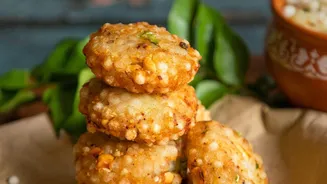
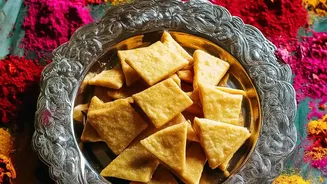
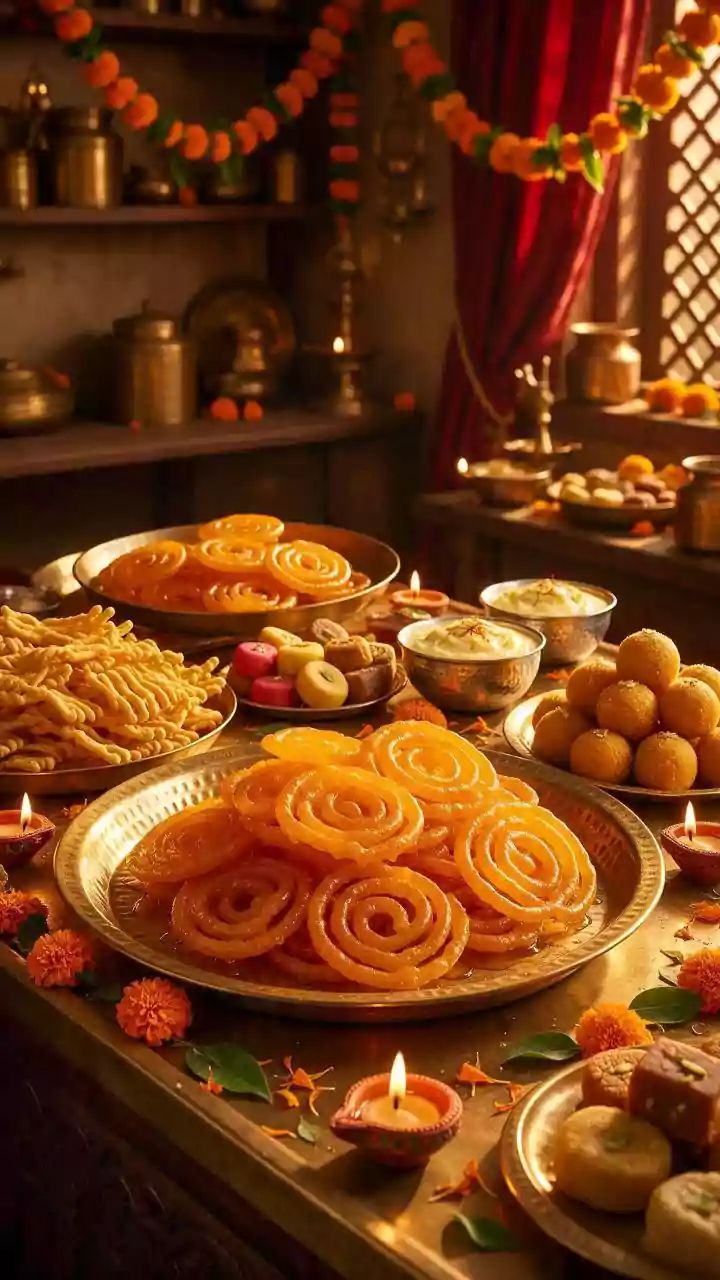
and Shankarpali, one must first understand 'faral'—the grand assortment of sweet and savoury snacks prepared in Maharashtrian homes during Diwali. It is a tradition steeped in generosity, with platters laden for visiting family and friends. Within this spread, Anarsa and Shankarpali hold a place of honour. Shankarpali are diamond-shaped fried pastries that come in both sweet (gud) and savoury (khare) versions. Their delightfully simple, crunchy texture makes them an irresistible and accessible treat. Anarsa, on the other hand, is a more intricate affair. It is a delicate, disc-like pastry made from a fermented dough of rice flour and jaggery, coated with poppy seeds and then fried in ghee. The result is a unique texture: crisp on the outside with a beautifully soft and chewy interior.
A Labour of Love and Legacy
What makes these snacks particularly special is the tradition and effort woven into their preparation. Shankarpali may be simpler, but making a perfect Anarsa is considered an art form, a test of patience and practice. The process begins days in advance, with rice being soaked for up to three days, then dried and ground into a fine flour. This flour is mixed with jaggery and left to ferment further before being shaped and fried. This lengthy, meticulous process makes Anarsa a prized delicacy, a true labour of love often passed down through generations. It's not merely a sweet; it’s a taste of nostalgia, a connection to grandmothers' kitchens and the cherished memories of festivals past.
From Local Tradition to National Craving
For decades, the joy of fresh Anarsa and Shankarpali was largely a Maharashtrian experience. Today, that is rapidly changing. Several factors are driving their journey from Pune to Punjab and beyond. A significant driver is the Maharashtrian diaspora. As people move across India for education and careers, they carry their culinary traditions with them, introducing colleagues and friends to these unique flavours. Furthermore, the digital age has been a game-changer. The rise of home chefs and online food stores means that authentic, homemade faral is no longer restricted to a specific location. A quick search online reveals numerous small businesses and home kitchens shipping freshly made Anarsa and Shankarpali nationwide, making these once-regional delicacies accessible to anyone with a craving.
The Secret to Their Universal Appeal
So, what makes these Maharashtrian snacks resonate with a pan-Indian palate? The answer lies in their familiar yet distinct flavour profiles. The simple, satisfying crunch of Shankarpali is universally loved, akin to a regional cousin of the biscuit or cracker. It's the perfect accompaniment to a cup of chai, a ritual cherished across the country. Anarsa's appeal is more complex. Its combination of earthy jaggery, the nutty taste of poppy seeds, and its singular crisp-yet-chewy texture offers a novel experience that is still rooted in traditional Indian flavour sensibilities. In a market increasingly saturated with generic, mass-produced sweets, consumers are actively seeking authenticity. Anarsa and Shankarpali offer just that: a genuine taste of regional heritage, craftsmanship, and the comforting flavours of home.