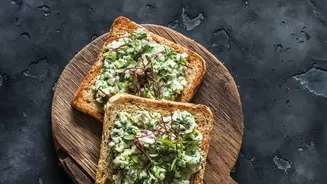




The humble chickpea sandwich is a modern lunch classic for a reason: it's filling, affordable, and packed with plant-based goodness. But the secret to transforming it from simply satisfying to truly spectacular lies in the fresh vegetables you choose.
The Foundation: A Perfect Chickpea Mash
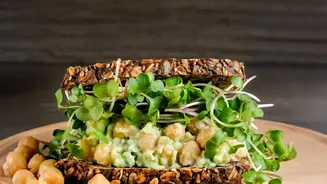
Before we even get to the veggies, the base of your sandwich needs to be just right. Start with a can of chickpeas, rinsed and drained well. The goal is to mash them, but not obliterate them into hummus. Using a potato masher or a fork, press down until most of the chickpeas are broken but you still have some chunky, varied texture. This creates a heartier bite. The binder is key for creaminess. While mayonnaise is traditional, you can also use Greek yogurt, hummus, or even a mashed avocado for a different flavour profile. A squeeze of lemon juice or a dash of vinegar adds essential brightness, along with seasonings like salt, pepper, and a little garlic powder or Dijon mustard to build flavour from the ground up.
The Crunch Factor: Essential Veggies for Texture
A great sandwich is a study in contrasts, and a creamy chickpea mash cries out for a crunchy counterpoint. This is where vegetables play their most crucial role. Finely diced celery and red onion are the classic, non-negotiable additions for many. Celery provides a crisp, clean crunch, while red onion offers a sharp, savoury bite. For even more texture and a touch of sweetness, consider finely chopped bell peppers (red, yellow, or orange work well) and shredded carrots. These vegetables don't just add crunch; they ensure your sandwich isn't a one-note, mushy experience. The key is to dice them finely and evenly so you get a little bit of everything in each bite.
Freshness and Flavour: Beyond the Basics
Once you have your crunchy base, you can layer in more complex flavours. Fresh herbs are a game-changer. Snipped dill brings a classic, tangy flavour reminiscent of egg or tuna salad, while fresh parsley or chives add a lighter, greener note. For a briny, savoury kick, consider adding chopped pickles, relish, or capers. To add another layer of freshness, consider greens. While a simple leaf of romaine or iceberg lettuce on the sandwich itself is great, you can also mix chopped spinach or arugula directly into the chickpea salad for a peppery bite. Don't be afraid to experiment with what you have on hand; this is where you can truly make the recipe your own.
The Art of Assembly: Building a Better Sandwich
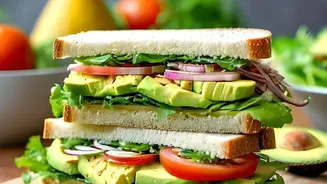
How you build your sandwich is almost as important as what's in it. To avoid the dreaded soggy bread, a few tricks can help. If you're packing the sandwich for lunch, it's always best to store the chickpea salad separately and assemble it just before eating. If that's not possible, try toasting the bread. A light toasting creates a barrier that helps prevent the filling's moisture from seeping in. Another professional tip is to spread a very thin layer of butter or mayonnaise on the inside slices of the bread; this fat barrier can help keep it from getting soft. Finally, consider your bread choice. A sturdy multigrain or sourdough can hold up better to a heavy filling than soft white bread.
A Nutritious and Filling Meal
Beyond being delicious, a chickpea and vegetable sandwich is a nutritional powerhouse. Chickpeas themselves are an excellent source of plant_based protein and dietary fiber, which help you feel full and satisfied for longer. They are also packed with important minerals like iron, magnesium, and folate. By loading your sandwich with a variety of fresh vegetables, you're adding even more vitamins, minerals, and antioxidants. Carrots, bell peppers, and leafy greens contribute vitamins A and C, enhancing the nutritional value of your meal and making it a genuinely smart and wholesome choice for any time of day.