





Master Your Drainage
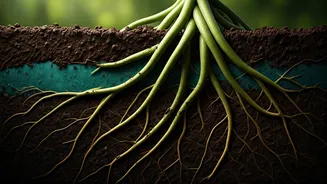
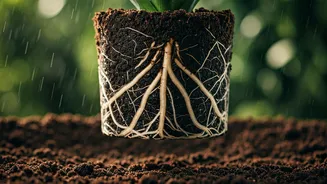
The number one enemy during the monsoon is waterlogging. When roots sit in saturated soil, they can't access oxygen, leading to root rot. Before the heavy rains begin, check that every pot has clear drainage holes. If a pot is blocked, gently poke the holes with
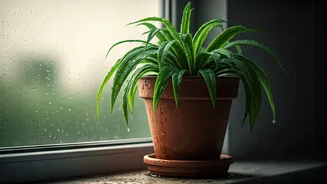
a skewer to clear them. Elevating your pots on bricks or stands is a simple but highly effective trick. This allows excess water to escape freely and improves air circulation around the base of the pot, preventing the soil from staying soggy. For an extra layer of prevention, consider using a well-draining potting mix that includes materials like cocopeat and perlite, which prevent soil compaction and water retention. It is also wise to remove the saucers or trays from underneath your pots, as they can collect water and contribute to waterlogging.
Rethink Your Watering Schedule
It may seem counterintuitive, but you still need to monitor your plants' water needs during the monsoon. Don't assume the rain is doing all the work, especially for plants under a deep overhang. At the same time, overwatering is a major risk. The golden rule is to check the soil. Stick your finger about an inch into the soil; if it feels damp, there's no need to water. On days with continuous, heavy rain, your plants won't need any additional water at all. When you do need to water during a dry spell, do it in the morning to allow the leaves to dry out during the day, which helps prevent fungal growth.
Prune for Better Airflow
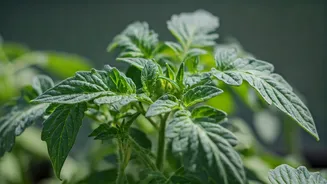
High humidity and damp foliage are the perfect breeding ground for fungal diseases like powdery mildew. Strategic pruning can significantly reduce this risk. Trim away any crowded, overlapping branches and remove the lower leaves on plants like tomatoes or chillies to improve air circulation around the base. This helps the plant dry faster after a shower. Regularly remove any yellowing, dead, or diseased leaves immediately. This not only keeps the plant looking tidy but also prevents the spread of potential infections to healthier parts of the plant and its neighbours. Proper pruning also encourages new, healthy growth once the monsoon recedes.
Guard Against Pests and Diseases
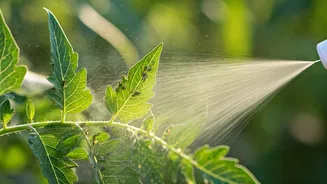
The monsoon is a boom time for pests like aphids, mealybugs, slugs, and snails, as well as fungal diseases. Be vigilant and inspect your plants regularly, paying close attention to the undersides of leaves. One of the best preventative measures is a regular spray of neem oil solution (about 5ml of neem oil mixed with a litre of water and a few drops of liquid soap). Apply this every 10-14 days to deter pests and prevent fungal spores from taking hold. Keeping your balcony clean and free of fallen leaves and debris will also reduce hiding spots for pests.
Adjust Your Fertilizing Routine
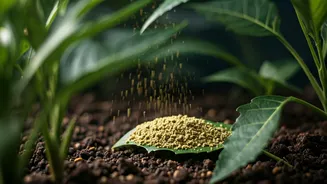
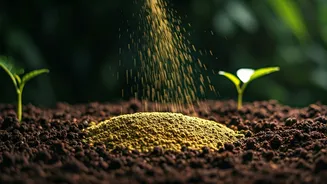
Heavy rains can leach essential nutrients from the soil, washing them right out of the pot. However, this doesn't mean you should fertilize more. In fact, you should reduce the frequency. During the monsoon, feeding your plants once every 3-4 weeks is generally sufficient. Opt for organic, slow-release fertilizers like vermicompost or a top dressing of compost. These nourish the plant steadily without the risk of being immediately washed away. Avoid using strong chemical liquid fertilizers during heavy rains, as they can easily run off and can also burn the roots in waterlogged soil.
Provide Shelter and Support
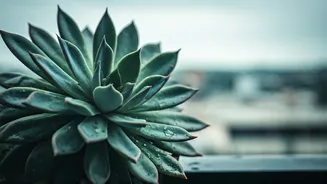
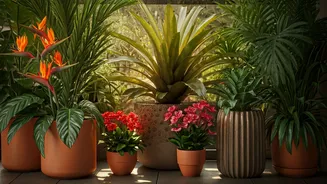
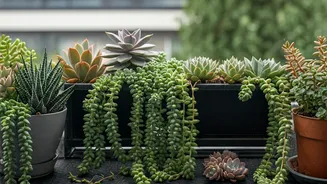
While many plants love the rain, delicate ones can be damaged by the force of heavy downpours. If possible, move more fragile plants, like succulents or those with tender leaves, to a sheltered spot under an eave. For taller plants or those with thin stems, provide support with stakes to prevent them from snapping in strong winds or under the weight of rainwater. Also, be mindful of sunlight. With frequent cloud cover, ensure your sun-loving plants are positioned to catch as much light as possible during breaks in the weather.