



First, What Is It?
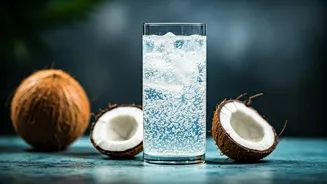
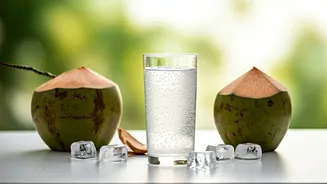
Let’s break this down. You’re likely familiar with coconut water, the slightly sweet, nutty-tasting liquid found inside coconuts. For years, it’s been hailed as 'Mother Nature’s sports drink.' But the key word here is 'tender.' Most of the coconut water on U.S.
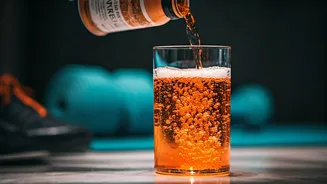
shelves comes from mature, brown coconuts. Tender coconut water is harvested from young, green coconuts, and it has a distinctly lighter, less sweet, and more refreshing taste. The 'sparkling' part is exactly what it sounds like: carbonation. The result is a bubbly, crisp beverage that feels more like a seltzer than the thick, sometimes syrupy coconut water of years past. Think of it as coconut water’s cooler, more sophisticated cousin who just showed up to the party.
The 'Healthy Hydrator' Claim
So, what’s behind the 'ultimate hydrator' buzz? It comes down to electrolytes. Coconut water is naturally rich in potassium, a crucial mineral and electrolyte that helps regulate fluid balance, muscle contractions, and nerve signals. A typical serving can contain more potassium than a banana. Compared to traditional sports drinks, it provides this hydration with significantly less sugar and zero artificial colors or flavors. Where a bottle of Gatorade can pack over 30 grams of sugar, many unsweetened sparkling coconut waters have around 5-10 grams, all of it naturally occurring. The carbonation doesn’t add any nutritional value, but it does wonders for perception. The crisp fizziness makes it feel more like a treat, a satisfying swap for a can of soda, which can be a huge psychological win for anyone trying to drink healthier.
How It Stacks Up Against the Competition
The beverage aisle is a crowded battlefield. Here’s how sparkling coconut water carves out its niche.
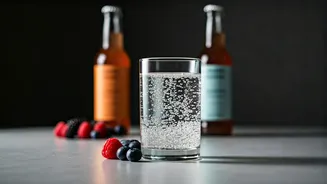
* **vs. Regular Sparkling Water:** La Croix, Bubly, and their peers are great for zero-calorie bubbles, but they offer no nutritional benefits beyond hydration. Sparkling coconut water provides that same bubbly satisfaction but with the added bonus of natural electrolytes and minerals. It has a genuine, subtle flavor, not just a 'hint of a hint.'
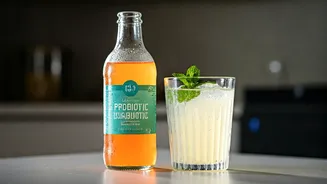
* **vs. Kombucha:** While kombucha offers probiotics, it can be an acquired taste, with a fermented tang and often a surprising amount of sugar to make it palatable. Sparkling coconut water is simpler, cleaner, and more universally refreshing, without the 'live cultures' funk.
* **vs. Traditional Coconut Water:** The original is great, but its flavor can be polarizing and its texture a bit heavy for some. The addition of bubbles cuts through that richness, creating a much lighter and more sessionable drink. It’s the difference between drinking juice and drinking a spritzer.
More Than Just a Post-Workout Drink
While its electrolyte profile makes it a natural fit for fitness enthusiasts, brands are positioning sparkling coconut water as an all-day beverage. It’s being marketed as the perfect antidote to the 3 p.m. slump—a hydrating, low-sugar pick-me-up that won’t lead to a crash. Its clean, crisp profile also makes it a fantastic, ready-made mixer for cocktails. A splash of gin or vodka with a squeeze of lime turns it into a simple, elevated highball that’s far more interesting than your standard seltzer. This versatility is key to its appeal; it’s not just a niche health product but a genuine lifestyle upgrade that can replace soda, juice, and boring old water.