



Ginger and Turmeric: The Immunity Power Duo
The monsoon is notorious for bringing a spike in colds, coughs, and other infections. This is where the humble duo of ginger (adrak) and turmeric (haldi) becomes indispensable. Both are cornerstones of traditional Indian and Ayurvedic wisdom for a reason.
Ginger is known for its potent antiviral and antibacterial properties that can soothe a sore throat and settle an upset stomach, a common monsoon complaint. Turmeric contains curcumin, a powerful anti-inflammatory and antioxidant compound. For maximum benefit, a pinch of black pepper should be added to turmeric, as it significantly increases curcumin absorption. Keeping fresh or dried ginger and turmeric powder on hand allows you to easily add them to your daily cooking, from dals and vegetables to a comforting cup of morning chai or a nightly glass of haldi doodh.
Lentils and Pulses: The Heart of Comfort
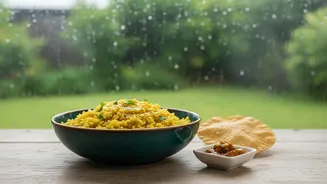
When the rain is relentless, nothing satisfies like a simple, hearty meal. Lentils (dals) and pulses are the backbone of such dishes. Stocking up on varieties like moong, toor, and masoor dal ensures you can prepare a nourishing meal anytime. Moong dal is particularly prized during the monsoon as it's considered one of the most easily digestible legumes, which is helpful when digestion can be sluggish. A warm bowl of khichdi, made by cooking rice and moong dal together, is widely regarded as the ultimate Indian comfort food and is gentle on the stomach. It's a complete meal in itself, especially with a spoonful of ghee. Having these pantry staples means you're always prepared for a cosy, home-cooked meal that feels like a warm hug on a dreary day.
Besan (Gram Flour): For That Quintessential Snack
Is it even a rainy day without a plate of hot pakoras? Besan, or gram flour, is the essential ingredient for this iconic monsoon snack. Whether you prefer onion, potato, or spinach pakoras, having a bag of besan ready is a must. But its utility goes far beyond just fritters. Besan can be used to make a variety of other quick and healthy dishes, such as besan chilla (a savoury pancake), which serves as a fantastic breakfast or light dinner. It's also the base for kadhi, a comforting yogurt-based curry that pairs wonderfully with rice. Keeping besan stocked means you're prepared not just for snack cravings but for creating quick, protein-rich meals when you don't want to venture out for fresh produce.
Warming Whole Spices: For Flavour and Wellness
The monsoon diet, according to Ayurveda, benefits from warming foods and spices to counteract the damp, cool weather. This is where your masala dabba truly shines. Beyond ginger and turmeric, having whole spices like cumin, black pepper, cinnamon, and cloves is key. These spices do more than just add flavour; they are known to aid digestion and have antimicrobial properties. A simple masala chai gets its comforting and invigorating properties from these spices. They can be used to make kadha, a traditional herbal decoction used to fend off colds. They also form the aromatic base of countless curries, soups, and rice dishes, making every meal feel more satisfying and appropriate for the season.
Instant Soups and Broths: Quick and Soothing
On days when you feel under the weather or simply don't have the energy for elaborate cooking, ready-to-cook soups and broths are a lifesaver. These are perfect for a quick, light, and hydrating meal. A warm bowl of soup provides immediate comfort and can help soothe the throat and clear congestion. Options like tomato soup, sweet corn soup, or a simple vegetable broth are excellent choices to have on hand. They are easy to digest and provide a feeling of warmth from the inside out. While homemade is always best, having a few quality soup packets in your pantry is a practical backup for those particularly lazy or chilly rainy days.