



The Lifeline of Indian Agriculture
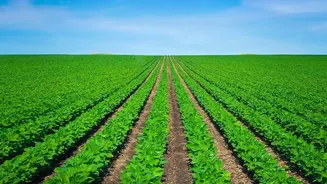
The southwest monsoon, which provides nearly 70% of India's annual rainfall, is critical for the country's agricultural sector. A significant portion of India's farmland is rain-fed, making the June-to-September period decisive for the success of kharif
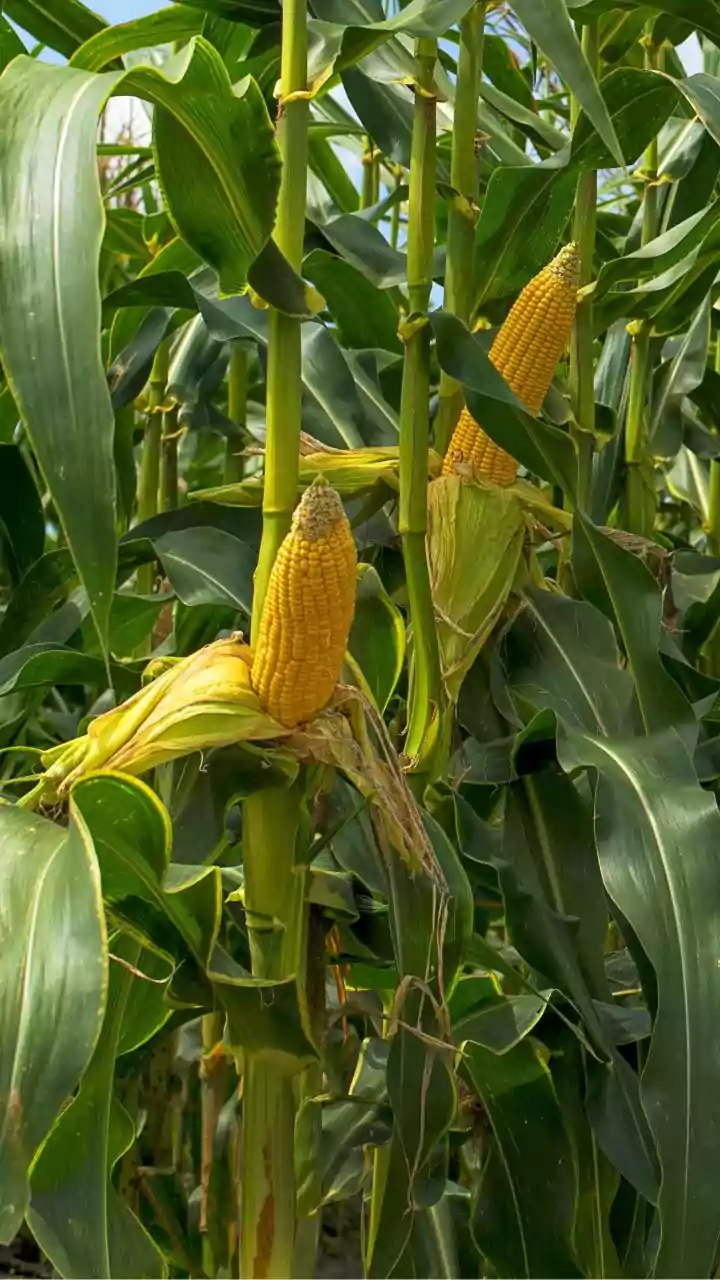
(summer) crops. These crops, including staples like rice, pulses, maize, and oilseeds, form the backbone of the nation's food supply. A strong, evenly distributed monsoon replenishes reservoirs, ensures adequate soil moisture, and supports healthy crop growth. Conversely, a weak or erratic monsoon can lead to reduced sowing, lower yields, and consequently, a strain on food availability, setting the stage for price rises.
What the 2026 Forecast Reveals
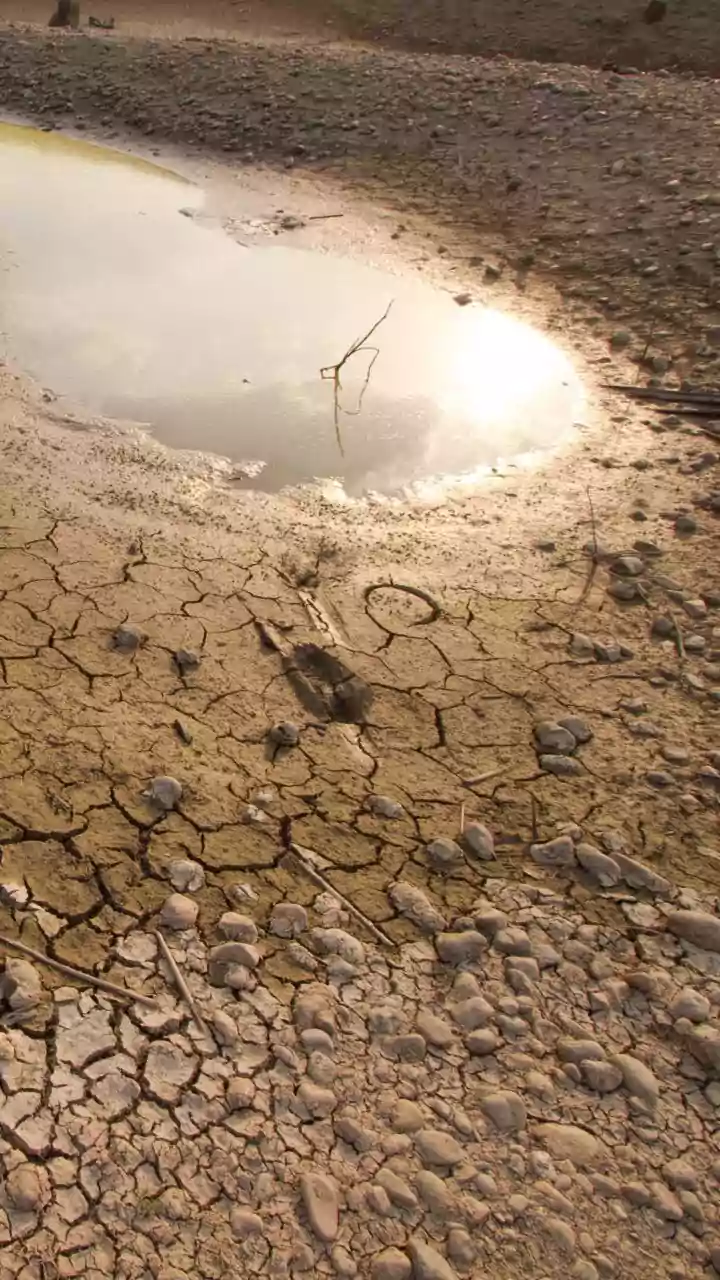
The 2026 monsoon season has been a story of volatility. After a significant rainfall deficit in June, a strong revival in July brought some relief to farmers and narrowed the sowing gap. However, the overall outlook remains cautious. As of mid-August, the all-India rainfall deficit was around 12% below the long-period average. The India Meteorological Department (IMD) has forecast below-normal rainfall for both August and September, attributing the weakness to the strengthening El Niño conditions in the Pacific Ocean. Forecasts suggest rainfall could weaken further as the monsoon trough shifts, a critical concern as kharif crops enter their final growth stages that determine yield.
Crops on the Watchlist
The unevenness of the monsoon is already reflecting in sowing data. As of August 14, the total area sown with kharif crops was about 2% lower than the previous year. Paddy (rice), the largest and most crucial kharif crop, has seen its acreage fall by 3.7%. The sowing of other important crops like tur (pigeon pea) and maize is also down by 4% each. These deficits are significant because the main sowing window has virtually closed, meaning the final harvest will now depend almost entirely on the yields from already-planted areas. Sufficient rainfall in the coming weeks is crucial to prevent moisture stress and ensure these crops mature properly.
The Ripple Effect on Your Wallet
The connection between farm output and household budgets is direct. Lower production of essential commodities leads to a supply crunch in the market. When supply tightens and demand remains steady, prices invariably rise. This food-led inflation is a major concern for both the government and the Reserve Bank of India (RBI). In recent months, retail inflation has already been pushed up by rising food prices. While the RBI has so far viewed these pressures as supply-side shocks rather than broad-based inflation, it has explicitly flagged the uneven monsoon and El Niño as key risks to the economic outlook. A poor harvest could exacerbate these pressures, making everyday essentials more expensive for millions.
Government and RBI on High Alert
Authorities are not just passive observers. The government can deploy several measures to cushion the impact of a weak monsoon, such as releasing foodgrains from buffer stocks and managing imports to ease supply constraints. The RBI, in its August monetary policy meeting, acknowledged the risks posed by the monsoon but maintained its policy rates, choosing to wait for more clarity. However, the central bank's commentary made it clear that sustained food price inflation could influence future decisions on interest rates. Proactive supply management will be key to preventing a temporary agricultural shortfall from turning into a prolonged period of high inflation that affects the entire economy.