




What is Astro Tourism?
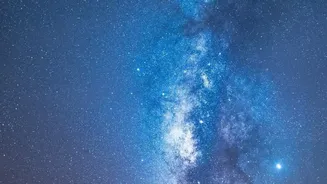
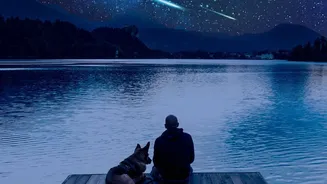
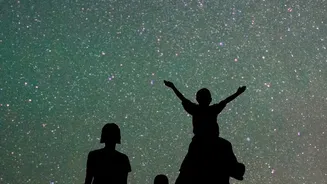
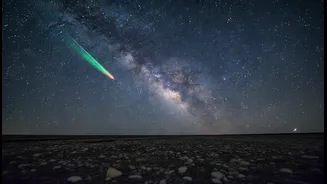
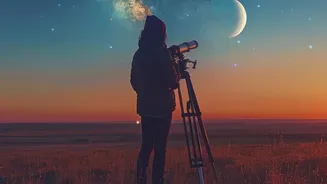
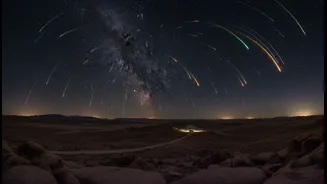
Astro tourism, also known as dark sky tourism, is travel for the purpose of observing the night sky and celestial events. This goes far beyond casual stargazing; it encompasses a wide range of activities, from chasing total solar eclipses and meteor showers
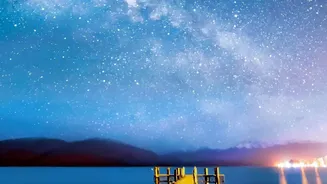
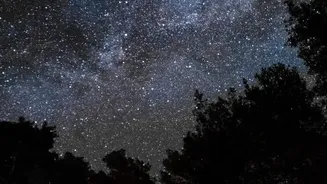
to visiting world-class observatories and photographing the Milky Way. It’s a form of tourism that is often sustainable, benefiting remote, rural communities by turning their pristine, unpolluted skies into a valuable asset. The core appeal is simple: to witness the cosmos in a way that’s impossible for the vast majority of people who live under light-polluted skies. With nearly 80% of North Americans and Europeans unable to see the Milky Way from home, a truly dark sky has become a rare and precious commodity.
The Search for Darkness
The boom in astro tourism is driven by a powerful combination of factors. A post-pandemic hunger for nature-based, meaningful experiences has pushed people outdoors and away from crowded cities. This is coupled with a growing awareness of just how much light pollution has obscured our view of the universe. India’s recent successes in space exploration, like the Chandrayaan-3 mission, have also ignited public curiosity in the cosmos. Tour operators have seen a dramatic surge in demand, with some reporting growth of up to 100 times pre-pandemic levels. Visitor numbers to designated dark-sky areas have climbed steeply. For example, after Hanle in Ladakh was designated India's first Dark Sky Reserve, visitor numbers grew from around 5,000 to over 30,000 in just one year. This isn't just a niche hobby anymore; it's a mainstream travel trend, with some data suggesting nearly 78% of Indian travellers are interested in night-sky-related tourism.
India's Celestial Sanctuaries
India, with its vast and varied landscapes, is emerging as a prime destination for astro tourists. The undisputed crown jewel is Hanle in Ladakh, home to India's first official Dark Sky Reserve. Situated at an altitude of over 4,500 metres, its dry, clear skies offer some of the best stargazing conditions in the world. Local villagers have been trained as astronomy guides, creating a sustainable model that links tourism with community empowerment. Beyond Ladakh, the Spiti Valley in Himachal Pradesh is another high-altitude cold desert beloved by astrophotographers for its raw beauty and near-zero light pollution. Other notable destinations include the salt flats of the Rann of Kutch in Gujarat, especially during the winter months, the deserts around Jaisalmer in Rajasthan, and even hill stations like Mukteshwar in Uttarakhand, which hosts a public observatory. For those seeking a unique blend of nature and stars, Pench Tiger Reserve has become India's first Dark Sky Park, combining wildlife safaris with guided stargazing.
World's Best Window Seats to the Universe
Globally, the quest for dark skies leads travellers to some of the most remote and beautiful places on Earth. The Atacama Desert in Chile is an iconic destination, boasting high altitude, dry air, and a host of professional observatories that welcome visitors. In New Zealand, the Aoraki Mackenzie International Dark Sky Reserve on the South Island offers breathtaking views of southern hemisphere constellations, like the Magellanic Clouds, which are satellite galaxies of the Milky Way. Other top-tier spots include the Canary Islands, where local laws even control flight paths to protect the pristine viewing conditions, and remote parks like Death Valley in California, which holds a Gold Tier dark sky rating. These locations are certified by organizations like DarkSky International, which has accredited over 200 places worldwide, helping preserve the night for both science and tourism.
Your First Star-Chasing Adventure
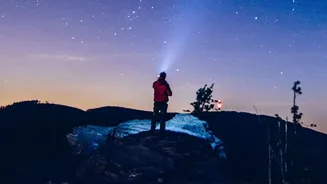
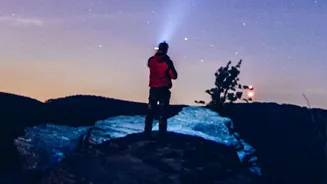
Getting started in astro tourism doesn't require an astronomy degree or expensive equipment. The most essential items are a sense of wonder and a location with minimal light pollution. For basic stargazing, you just need clear skies and to let your eyes adapt to the darkness for about 20 minutes, away from phone screens or other lights. A simple pair of binoculars can dramatically enhance the view, revealing craters on the moon and the moons of Jupiter. Numerous smartphone apps can help you identify constellations and planets in real-time. Many destinations offer guided experiences, providing access to powerful telescopes and the expertise of local astronomers. Whether joining a 'star party' at a national park or staying at a dedicated astronomy resort, the goal is the same: to reconnect with the vast, glittering expanse that has captivated humanity for millennia.