




More Than Just a Meal
When you’re orbiting the Earth at thousands of kilometres per hour, food is more than just fuel; it’s a crucial component of mission success. For the crew of Gaganyaan, India's first crewed space mission, every meal is the result of meticulous planning.
The challenges are immense: food must be lightweight, have a long shelf life without refrigeration, be easy to consume in zero gravity, and provide complete nutrition. Beyond the technical requirements, food also serves a vital psychological function. After days in a confined, high-stress environment, a familiar meal can be a significant comfort and morale booster, connecting the astronauts to home.
The Science of Space Cuisine
Eating in space is fundamentally different. Without gravity, crumbs don't fall; they float, posing a potential hazard to sensitive equipment. Liquids can spill and drift away, making hydration a tricky affair. Furthermore, microgravity affects the human body in strange ways. Astronauts often experience a diminished sense of taste and smell, similar to having a cold, which can make food seem bland. To counter this, meals for the Gaganyaan crew are being designed to be flavourful, though spice levels are kept moderate with options for add-on spice sachets. The nutritional calculus is also precise. Astronauts need a balanced diet to counteract bone density loss and muscle atrophy associated with long periods in space. The ICMR-National Institute of Nutrition (NIN) is collaborating with ISRO to create tailored diets, ensuring each astronaut receives the right balance of calories, protein, micronutrients, and antioxidants.
What's on the Menu?
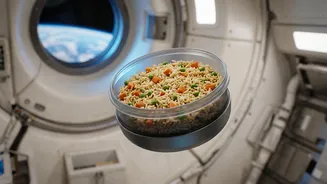
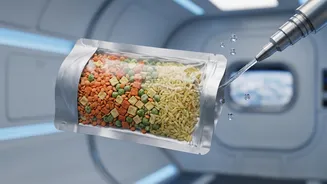
The menu developed for the Gaganyaan astronauts is a culinary tour of India, adapted for the final frontier. Mysuru-based Defence Food Research Laboratory (DFRL), a DRDO lab, has prepared an extensive list of both vegetarian and non-vegetarian options. The menu includes familiar favourites like Idli Sambar, Upma, Vegetable Pulao, Chicken Biryani, Rajma Chawal, and preserved Chapatis. For a taste of something sweet, astronauts will have Moong Dal Halwa or Sooji Halwa. The food is prepared in several forms. Some are ready-to-eat (thermo-stabilised) meals that only need to be heated, while others are freeze-dried and require rehydration with water. Special dispensers for liquids and food warmers are also part of the equipment provided to the crew.
Designed and Made in India
The development of the Gaganyaan food systems is a significant achievement for India's 'Aatmanirbhar Bharat' initiative. DFRL, which has a long history of developing specialised food for the armed forces, first developed space-grade food for Rakesh Sharma's mission in 1984, providing mango bars and juice powders. For Gaganyaan, a dedicated team of scientists has worked to create a menu that is not only nutritious and safe but also culturally resonant. The lab has had to innovate, developing special pouches and techniques to preserve Indian dishes, which often have a higher moisture content than Western foods like sandwiches. They have also developed systems for waste disposal to manage leftovers in a contained and hygienic manner.
From the Lab to the Launchpad
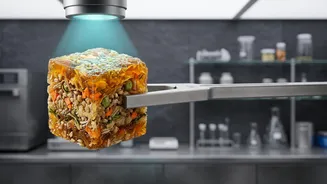
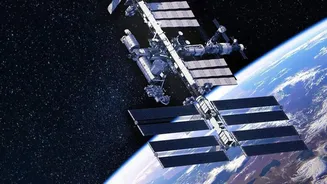
Before any food is approved for flight, it undergoes rigorous testing to ensure it can withstand the vibrations of launch and remain stable for the duration of the mission. Some Indian dishes were tested on the International Space Station during the Axiom-4 mission. For the Gaganyaan programme itself, ISRO has issued tenders for a year-long personalised nutrition programme, seeking nutritionists and caterers to work directly with the selected astronauts during their training in Bengaluru. This ensures that the diet is constantly refined based on the astronauts' health, training intensity, and personal feedback, making the food programme as dynamic and precise as the mission itself.