






Your Boarding Pass Is Proof
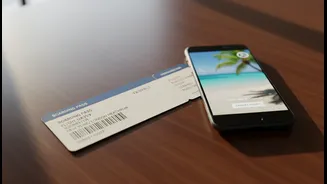
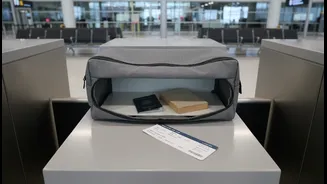
Think of your boarding pass—whether paper or digital—as more than just a gate pass. It's your primary evidence of travel. While airlines have digital records, errors can and do happen. This is especially true when flying on codeshare partner airlines.
Your boarding pass is the ultimate proof that you were ticketed and present for a specific flight. This can be vital for several reasons. It helps in claiming missing frequent flyer miles if they don't automatically credit to your account. It also serves as a crucial document for business expense reports or even for tax purposes if you are self-employed, providing a concrete record of your travel dates and routes. A simple screenshot or keeping the physical pass until your miles post and expenses are cleared is a small habit with big benefits.
The Key to Flight Delay Compensation
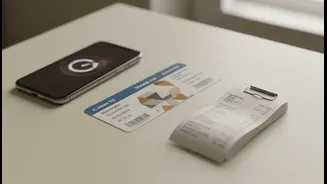
In the event of a significant flight delay or cancellation, your boarding pass and any related communications are your most powerful tools for claiming compensation. In India, the Directorate General of Civil Aviation (DGCA) has specific rules about what airlines owe passengers. For instance, for delays over two hours, airlines must provide meals and refreshments. For longer delays or last-minute cancellations, you could be entitled to a refund, an alternate flight, and even monetary compensation ranging from ₹5,000 to ₹20,000, depending on the circumstances. To make a successful claim, you must provide documentation. This includes your original boarding pass, any SMS or email notifications from the airline about the delay, and receipts for any expenses incurred, like food or a hotel stay. Without this paper trail, your claim can be easily dismissed.
Streamline Your Expense Reports
For business travellers, this habit is non-negotiable. Reimbursing travel expenses can be a tedious process, and missing documentation is the most common roadblock. Keeping your boarding pass alongside all expense receipts—from taxis and meals to client coffees—creates a complete and indisputable record of your trip. Many companies require the boarding pass to prove a flight was actually taken, not just booked. Consolidating everything in one envelope or a dedicated digital folder as you go prevents the frantic search for receipts later. This level of organisation not only ensures you get every rupee you're owed but also makes the entire process faster and less stressful for you and your finance department.
A Simple System for Organisation
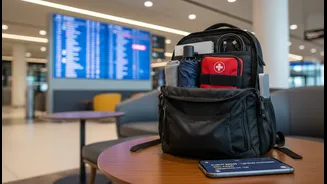
Getting organised doesn't have to be complicated. During your trip, dedicate one physical folder, envelope, or a specific pocket in your carry-on for all paper documents. For digital items, create a dedicated folder on your phone or cloud storage for each trip. Immediately save screenshots of your mobile boarding pass, booking confirmations, and any delay notifications. Use your phone to snap a picture of every physical receipt the moment you get it. Apps like Zoho Expense, Expensify, or even a simple Google Drive folder can help you categorise these images on the fly. The goal is to create a single, unified collection of every travel-related document. This 'travel wallet', whether physical or digital, becomes your single source of truth for everything from expense claims to compensation disputes.
Protecting Your Personal Data
There's one final reason to hold on to your boarding pass until you can dispose of it securely: data privacy. The barcode or QR code on your pass contains a wealth of personal information, including your full name, booking reference, and frequent flyer number. Leaving it in a seat-back pocket or tossing it in a public bin makes it possible for someone to scan this information. With these details, a savvy individual could potentially access your airline account, view your travel plans, or misuse your personal data. Never post an image of your boarding pass on social media without obscuring the barcode and booking reference. Once your travel is complete and all miles have been credited, the safest way to dispose of a paper boarding pass is to shred it, just as you would with any other sensitive document.