

A Glimpse of Our Sun's Demise
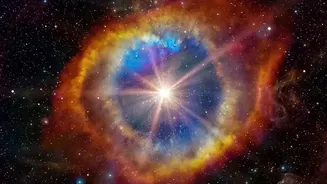
Located about 650 light-years away in the constellation Aquarius, the Helix Nebula is what astronomers call a planetary nebula. Despite the name, it has nothing to do with planets. Instead, it’s the glowing, expanding shell of gas and dust shed by a star
similar to our sun at the end of its life. After exhausting its fuel, the star puffed off its outer layers, which are now illuminated by the blazing hot core left behind—a white dwarf. For astronomers, studying the Helix Nebula is like getting a preview of our own Sun's potential fate in about five billion years, making it a favorite target for telescopes.
Why Webb's View Is a Game-Changer
The Helix Nebula has been photographed many times, including by the Hubble Space Telescope. So, what makes Webb’s image so special? The answer is its powerful infrared vision. Webb’s Near-Infrared Camera (NIRCam) can peer through the cosmic dust and gas in ways previous telescopes couldn't, revealing the intricate structures with stunning clarity. The result is a much sharper, more detailed look at the violent interactions happening within the nebula. It transforms what was an ethereal, ghost-like object into a dynamic scene of cosmic recycling in action.
The Mystery of the 'Cometary Knots'
One of the most fascinating features Webb brings into focus are thousands of so-called “cometary knots.” These aren’t actual comets, but massive, tadpole-shaped clumps of gas and dust. Each knot's dense head can be larger than our entire solar system, with tails stretching for billions of miles. They are thought to form when blistering hot, fast-moving winds from the central white dwarf slam into cooler, denser gas that the star ejected thousands of years earlier. While astronomers knew about these knots, Webb's image showcases them with unprecedented detail, providing crucial data on how these mysterious structures form and survive in such a chaotic environment.
Decoding a Rainbow of Gas and Dust
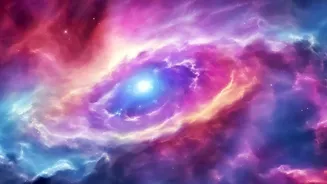
The different colors in Webb’s image aren’t just for show; they represent temperature and chemistry, telling a story of transformation. The blueish hues indicate the hottest gas, which is being intensely heated by the central star's radiation. Farther out, the gas cools and appears yellow, where hydrogen atoms begin to form molecules. The reddish tones at the outer edges trace the coolest material, where dust can begin to form. These dusty, molecular pockets are crucial because they shelter the raw materials from which new stars and even planets might one day be born in other systems, completing a grand cosmic cycle.