



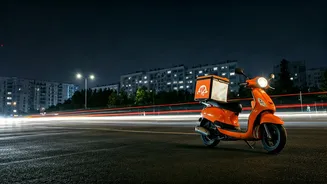


The Rise of the Night Owl Eater
The traditional 9 p.m. dinner time is becoming a thing of the past for a growing number of urban Indians. A significant cultural and behavioural shift, driven primarily by younger consumers, has given rise to the 'fourth meal' occasion. Food delivery
platforms have seen a massive surge in orders placed between 11 p.m. and 3 a.m. Recent data indicates that late-night food delivery in India has doubled over the past year alone. This isn't just a fleeting trend influenced by sporting events like the World Cup; it's a reflection of changing lifestyles, where late work hours and altered sleep schedules are becoming the norm. The most popular items satisfying these midnight munchies are comfort foods like pizzas and burgers, with chicken biryani also remaining a perennial favourite. Leading the charge are cities like Bengaluru, Hyderabad, and Mumbai, but the trend is rapidly spreading to emerging markets like Surat, Thiruvananthapuram, and Patna.
Digital Platforms and Cloud Kitchens: The Enablers
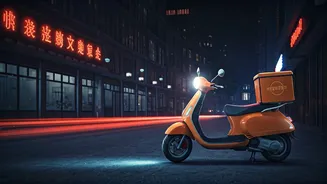
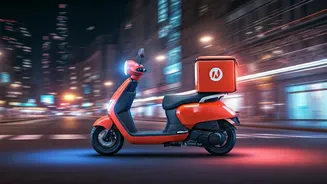
This new night-time economy wouldn't be possible without two key enablers: food delivery aggregators and cloud kitchens. Platforms like Zomato and Swiggy didn't just facilitate ordering; they actively cultivated the behaviour by creating dedicated 'late-night cravings' sections and offering post-dinner discounts. In response to soaring demand, Swiggy reported a 50% increase in the number of active restaurants during night-time hours. This has spurred the proliferation of cloud kitchens, or delivery-only restaurants, which are perfectly suited for the late-night market. Operating without expensive dine-in setups, they can focus on preparing food for delivery, often running multiple brands from a single location to capture a wider audience. This model is so effective that some operators now see their late-night sales contribute as much as 15% of their total orders, rivaling lunchtime figures. Major QSR chains like Domino's and McDonald's have also extended their hours, with some outlets now delivering until 3 a.m. or even later.
The Economics of After-Hours Appetites
The collective growl of stomachs after midnight has translated into a formidable economic force. India’s overall food services market was valued at $84 billion in FY25 and is projected to potentially reach $131 billion by FY30. The late-night segment is a rapidly growing slice of this pie. The boom has created a new ecosystem of jobs, from chefs and kitchen staff working graveyard shifts to a vast network of gig economy delivery partners. The cloud kitchen market alone stood at over $1.13 billion in 2024 and is expected to grow to $2.84 billion by 2030. This growth is not just coming from new users, but from increased ordering frequency among existing ones. Beyond meals, the demand for packaged goods like ice cream, frozen snacks, and chocolates also sees a significant spike, with quick-commerce platforms like Blinkit and Zepto ensuring delivery within minutes, even in the dead of night.
Challenges and the Road Ahead
While the growth is impressive, the midnight food economy is not without its challenges. For businesses, profitability hinges on navigating lower competition but also managing the complex logistics of late-night operations. Limited availability of delivery riders during odd hours can lead to longer delivery times. For the gig workers who form the backbone of this industry, the flexibility comes at a cost, often involving long hours for low relative incomes. Furthermore, the entire service is subject to regulations from local authorities, which can restrict operating hours. Despite these hurdles, the trend shows no signs of slowing down. The expansion into Tier-2 and Tier-3 cities is a clear indicator of its staying power. As urban lifestyles continue to evolve, what was once an occasional indulgence is cementing its place as a permanent and profitable fixture in India's digital economy.