






What Exactly Is Ambient Hatha Yoga?
Ambient Hatha Yoga is a fusion of two powerful relaxation tools. First, you have Hatha yoga, one of the most traditional and foundational forms of the practice. Unlike fast-paced Vinyasa or power yoga, Hatha focuses on holding basic postures (asanas)
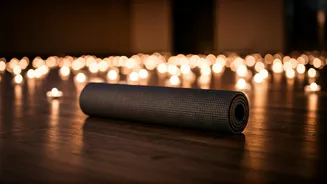
for longer periods, with a strong emphasis on controlled breathing (pranayama). It’s less about athletic performance and more about creating stability, alignment, and a deep connection between mind and body. The 'ambient' part refers to the environment. A session is set against a backdrop of soothing, atmospheric music—think gentle electronic soundscapes, nature sounds, or minimalist instrumental tracks. Combined with dim lighting and a calm atmosphere, the practice becomes an immersive sensory experience designed to quiet the mental chatter that fuels stress.
How It Fights the Corporate Burnout
Corporate stress isn't just a feeling; it's a physiological state. Constant pressure keeps our sympathetic nervous system (the 'fight or flight' response) on high alert, flooding our bodies with stress hormones like cortisol. This leads to anxiety, poor sleep, and mental fatigue.
Ambient Hatha Yoga directly counteracts this. The slow, deliberate movements and deep breathing activate the parasympathetic nervous system, our body's 'rest and digest' mode. Holding a gentle stretch while focusing on your breath tells your brain that you are safe, allowing your heart rate to slow and your muscles to release tension. The ambient music works to drown out distracting thoughts, making it easier to stay present and achieve a meditative state without the pressure of forced silence.
More Than Just a Stretch
While the physical benefits of releasing tension in the neck, shoulders, and back—areas that hold a lot of work-related stress—are significant, the mental gains are even more profound. The modern employee is constantly multitasking and processing information. This practice is a form of 'single-tasking' for the mind. By focusing only on your breath and the sensations in your body, you give your brain a much-needed break from the digital deluge.
This isn't about emptying your mind, which can feel impossible. It's about giving your mind something simple and calming to focus on. Over time, this practice can improve concentration, reduce anxiety, and foster a sense of inner calm that you can carry back from the mat into your workday. It’s a tool for building mental resilience, not just a temporary escape.
What to Expect in Your First Session
Walking into an Ambient Hatha Yoga class is often a calming experience in itself. Expect a softly lit room, with gentle music already playing. The instructor will guide you through a series of foundational poses, such as Cat-Cow, Downward-Facing Dog, and Warrior poses, but the pace will be unhurried. You’ll be encouraged to hold each posture for several breaths, giving you time to explore the pose and feel its effects without rushing.
The focus is on personal experience, not perfection. There’s no competition and no expectation to push your body to its limits. The goal is to listen to your body and find a balance between effort and ease. The session typically ends with an extended Savasana (Corpse Pose), where you lie on your back, allowing the body to fully absorb the benefits of the practice while immersed in the ambient soundscape.
How to Get Started
You don't need to be an expert yogi to begin. This style is exceptionally beginner-friendly. Look for local studios in your city that offer 'Hatha,' 'Gentle Flow,' or 'Restorative' classes, as many incorporate ambient elements. Many online yoga platforms also have dedicated Ambient Hatha sessions you can follow from the comfort of your home.
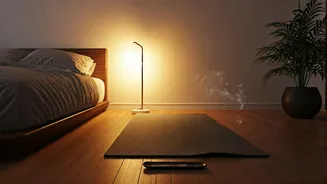
If you're short on time, you can even create your own mini-session. Find a quiet corner, put on a 'meditation' or 'ambient music' playlist, and move through a few simple stretches for 15 minutes. Focus on linking your breath to each movement. The key is consistency, not intensity. A short, regular practice can be more effective at managing long-term stress than an occasional intense workout.