





An Ancient Grain's Modern Makeover
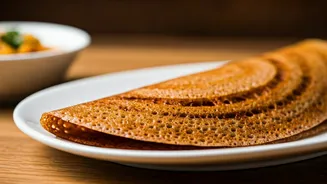
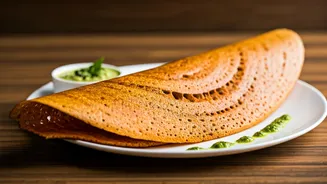
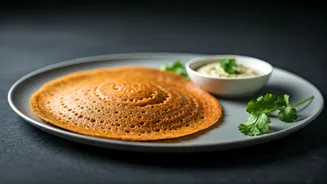
So, what exactly is this dish taking over wellness blogs and breakfast tables? At its heart, ragi dosa is a simple crepe made from the flour of finger millet, known as ragi. While dosas are a beloved staple across the country, they are traditionally made from a fermented
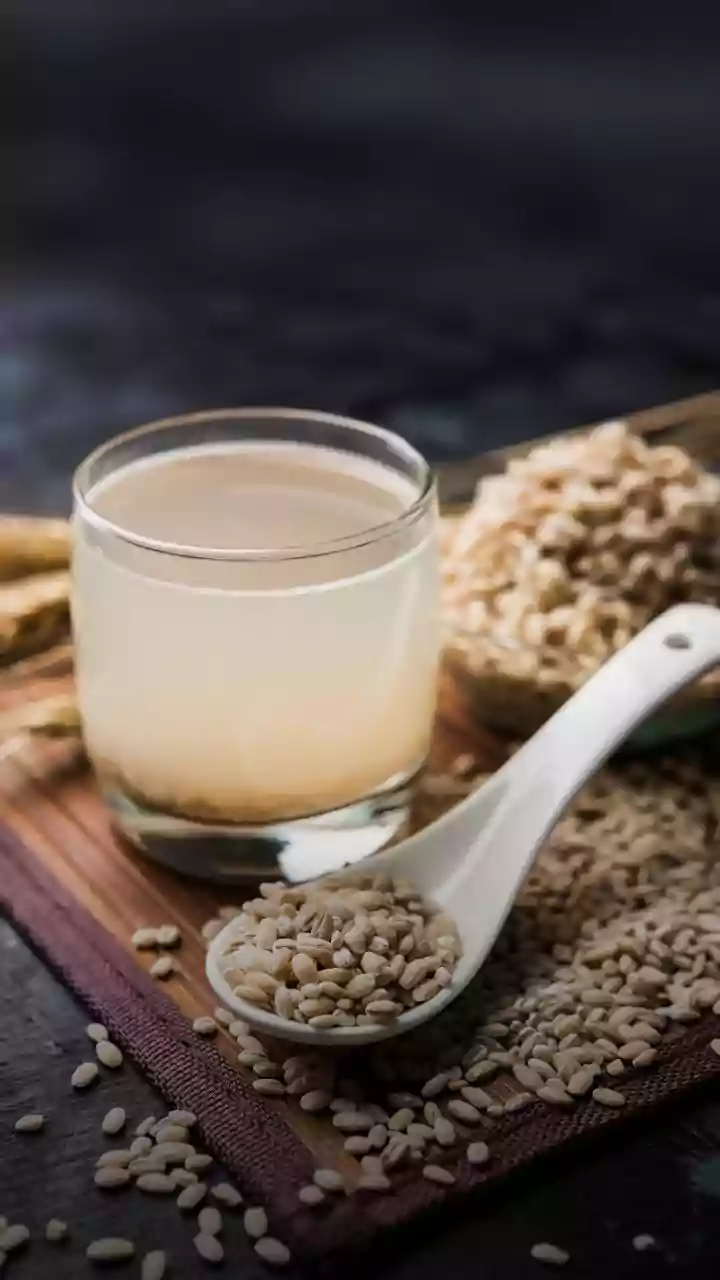
batter of rice and urad dal. The ragi version swaps out the rice, either partially or entirely, for this nutrient-dense millet. This isn't a new invention—ragi has been cultivated in India for thousands of years, prized for its resilience and nutritional value. What's new is its mainstream adoption by urban fitness enthusiasts who are rediscovering the wisdom of their ancestors' kitchens.
The Nutritional Edge Over a Classic
The primary reason for ragi dosa’s soaring popularity lies in its impressive nutritional profile. Unlike its rice-based counterpart, ragi is a powerhouse of benefits. It is naturally gluten-free, making it an excellent option for those with celiac disease or gluten sensitivity. Its high fibre content aids digestion, promotes a feeling of fullness, and helps manage weight. The standout feature is its calcium content; ragi contains roughly ten times more calcium than rice or wheat, making it fantastic for bone health. Furthermore, it has a lower glycemic index, which means it releases sugar into the bloodstream slowly. This prevents sudden spikes in blood sugar, making it an ideal food for diabetics and anyone looking to maintain stable energy levels throughout the day.
Why Is the Trend Peaking Now?
Several cultural and wellness currents are converging to fuel the ragi revolution. Firstly, there's a growing movement across India to embrace indigenous grains and traditional food systems. As people become more aware of the environmental and health costs of monoculture crops, millets like ragi, jowar, and bajra are being celebrated for their sustainability and health benefits. The UN's declaration of 2023 as the International Year of Millets has only amplified this interest. Secondly, the post-pandemic wellness boom has led many to scrutinise their diets. Consumers are actively seeking out 'superfoods' that are local, affordable, and effective. Ragi fits this description perfectly, offering a homegrown solution for modern health concerns like diabetes, obesity, and nutrient deficiencies.
But Does It Taste Good?
For any health food to become a true favourite, it has to pass the taste test. So, how does ragi dosa fare? It has a distinct, earthy flavour and a slightly denser texture than a crispy rice dosa. While some purists may miss the lightness of the original, many have come to love its unique character. The flavour of the ragi itself is mild, making it a versatile canvas for fillings and accompaniments. It pairs beautifully with the traditional sambar and coconut chutney, but also works with spicy potato masala, paneer bhurji, or even a simple podi. The key is in the preparation—a well-made ragi dosa, whether it's the instant version or the classic fermented one, can be just as satisfying and delicious as any other.
Getting Started with Ragi Dosa
Tempted to try it? The easiest way to start is with an instant ragi dosa mix, available at most grocery stores. These mixes typically require you to just add water or curd to form a batter. For a more authentic and nutritionally superior version, you can make the batter from scratch. A common recipe involves soaking ragi flour, urad dal, and a pinch of methi seeds for a few hours, then grinding them into a smooth batter and allowing it to ferment overnight. This fermentation process not only develops flavour but also increases the bioavailability of nutrients. Served hot off the tawa, it's a perfect meal for any time of day.