



A Return to Authenticity
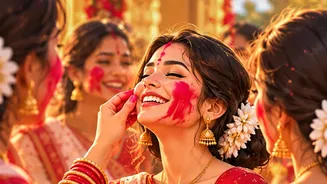
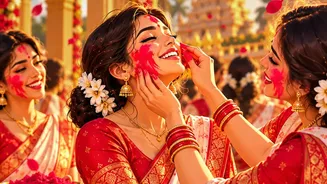
The festive season in India is a kaleidoscope of colour, tradition, and celebration. It’s a time when personal style and expression take centre stage. Yet, for a growing number of young Indian women, preparing for these celebrations isn't about chasing
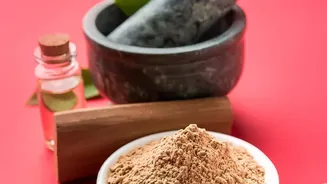
the latest international cosmetic trend. Instead, it's about looking backward—to age-old beauty rituals passed down through generations. They are swapping chemical peels for homemade 'ubtans' and bottled serums for freshly mixed pastes of turmeric, sandalwood, and gram flour. This isn't just a fleeting trend; it’s a conscious choice, a return to authenticity in a world saturated with synthetic promises. It reflects a deeper desire for beauty that is not just skin-deep but is connected to heritage and personal well-being.
The Pull of Heritage and Identity
For many, embracing traditional beauty practices is a way to connect with their roots. In a globalized world, rituals like applying a turmeric-based 'lepa' (face mask) or massaging hair with herbal oils become acts of cultural preservation. These aren't just beauty routines; they are sensory experiences laden with memory and emotion, reminiscent of mothers and grandmothers performing the same acts of self-care. This revival is also fuelled by a renewed sense of national pride and trust in domestic innovation. As 'Make in India' and 'Vocal for Local' become cultural touchstones, choosing indigenous ingredients over imported products is a statement of identity. It’s a way of saying that the wisdom found in ancient Ayurvedic texts is as relevant and powerful today as any modern formulation.
Wellness and Conscious Consumption
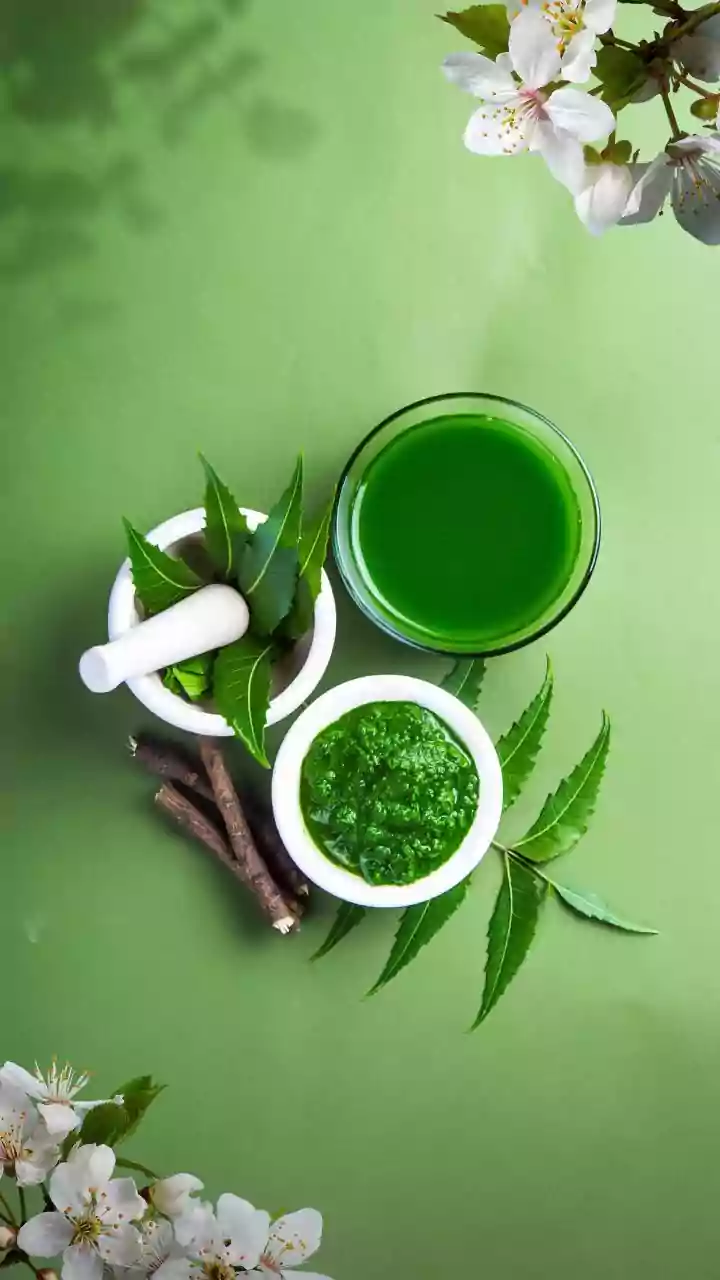
The shift towards natural traditions is intrinsically linked to the global wellness movement. Today’s young consumers are more informed and discerning than ever, often questioning the long-term effects of synthetic chemicals in their cosmetics. They seek transparency and are wary of glossy promises, preferring the simplicity of ingredients they can recognise. Ayurvedic practices, with their emphasis on holistic health, offer a compelling alternative. Ingredients like Multani mitti (Fuller's earth) for deep cleansing, amla for hair strength, and neem for its antiseptic properties are celebrated for being both effective and gentle. This approach views beauty not as a quick fix, but as a harmonious balance between the body and nature.
The Sustainable and Savvy Choice
Beyond the cultural and wellness benefits, there is a practical appeal. DIY beauty is often more affordable and sustainable. By using ingredients readily available in the kitchen, young women are reducing their consumption of single-use plastic packaging that dominates the commercial beauty industry. This eco-conscious mindset is a hallmark of Gen Z, who prioritise brands and practices that have a minimal environmental impact. The ability to create personalised treatments at home is another significant draw. Whether customising an ubtan with oatmeal for exfoliation or adding rosewater to a Multani mitti pack for a cooling effect, this DIY approach empowers them to tailor routines to their specific skin needs, a level of personalisation that mass-produced products rarely offer.
Modern Twists on Ancient Wisdom
This embrace of tradition is not about rejecting modernity entirely. Instead, young Indians are creating a hybrid identity, blending ancient wisdom with contemporary knowledge. They research the scientific benefits of herbs like ashwagandha and turmeric, share DIY recipes on social media, and follow influencers who champion natural beauty. This digital-savvy generation is making Ayurveda and other traditions accessible and 'cool' for a new audience. They might follow a traditional 'champi' (oil massage) with a Korean-inspired hydrating serum, creating a routine that is uniquely their own. It's a collage of cultures where tradition isn't static but is dynamically reinterpreted to fit a modern lifestyle, proving that old ways can find new life in the hands of a new generation.