




A Journey Decades in the Making
The introduction of the Vande Bharat service to Srinagar is the culmination of one of India's most ambitious and challenging infrastructure projects: the Udhampur-Srinagar-Baramulla Rail Link (USBRL). Declared a National Project in 2002, this 272-km railway
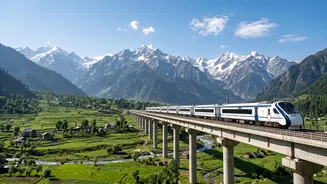
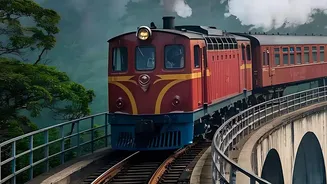
line has been built through the formidable Himalayan terrain, overcoming immense geological and weather-related challenges. The project involved the construction of hundreds of bridges and dozens of tunnels, including engineering marvels like the Chenab Bridge—the world's highest railway arch bridge, standing taller than the Eiffel Tower—and the Anji Khad Bridge, India's first cable-stayed railway bridge. After decades of work in phases, the final link between Katra and Banihal was completed, making direct train travel to the valley possible. The Vande Bharat trains on this route began operations in mid-2025, first between Katra and Srinagar, and were later extended to Jammu in April 2026, establishing a direct connection.
All-Weather Lifeline for the Valley
Perhaps the most significant impact of the Vande Bharat service is providing a reliable, all-weather travel option to Kashmir. For months during winter, heavy snowfall and landslides frequently shut down the Jammu-Srinagar National Highway, the primary road link, leaving the valley cut off from the rest of the country. Air travel, while faster, is also prone to disruption due to poor weather and can be expensive. The train service is designed to operate even in sub-zero temperatures, offering an dependable alternative for residents, security forces, and tourists alike. This newfound connectivity ensures that the movement of people and goods can continue year-round, ending the region's seasonal isolation and providing a crucial psychological and economic boost. For students, patients needing specialised care, and families, it brings an end to the anxiety of being stranded due to unpredictable weather.
A Transformative Boost for Tourism
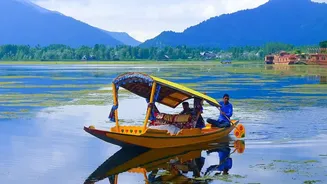
Tourism, the backbone of Kashmir's economy, is set to be a major beneficiary. The Vande Bharat Express drastically reduces travel time; the journey between Jammu and Srinagar now takes under five hours, a significant improvement over the often-congested road journey. The modern, comfortable, and fast nature of the train is attracting a new demographic of travellers who may have been hesitant to undertake the long journey by road. Since the service's launch, occupancy rates have been exceptionally high, with a large percentage of passengers being tourists. Hoteliers and tour operators have reported a noticeable rise in bookings, with many visitors specifically choosing the train for its comfort and the breathtaking scenic views of mountains and valleys en route. This easy access is expected to extend the tourist season and encourage shorter, weekend trips to the valley.
Fueling Economic Growth
Beyond tourism, the railway link is a catalyst for broader economic development. The efficient transportation of goods is expected to revolutionise the valley's horticulture and handicraft sectors. Farmers can now send perishable products like apples, cherries, and saffron to markets across India much faster and more reliably, ensuring better prices and less wastage. Local artisans and traders also benefit from improved access to raw materials and a wider market for their goods. The high demand for the train service has already led to the approval of a third Vande Bharat train for the Jammu-Srinagar route, reflecting its immediate success and importance. By providing a cheaper and faster alternative to road and air transport, the train is set to integrate Kashmir's economy more deeply with the rest of the nation.
The Modern Travel Experience
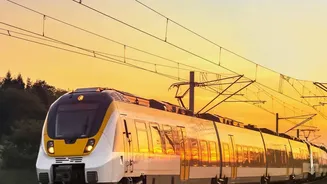
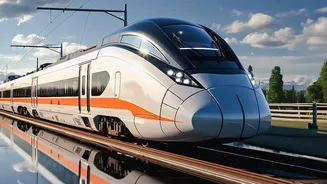
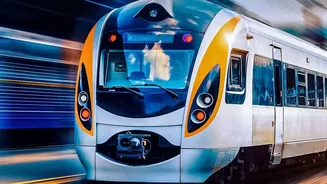
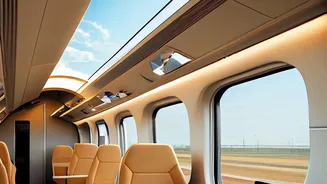
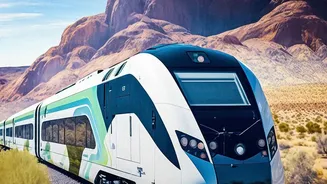
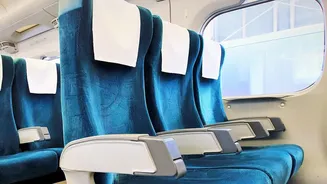
Travelling on the Vande Bharat Express itself is part of the new Kashmir experience. The semi-high-speed train, which has recently been approved to run at speeds of up to 100 kmph on the Katra-Banihal section, offers a level of comfort and speed previously unavailable. The journey through the Pir Panjal mountain range, across stunning bridges and through long tunnels, is an attraction in itself. The direct service from Delhi to Srinagar, a journey of approximately 13 hours, includes sleeper coaches for overnight travel, making the trip convenient and restful. As this service becomes the preferred mode of transport for many, it's not just changing how people travel to Kashmir, but also how the valley connects with the world.