




The Allure of Shoulder Season
Shoulder season is the travel industry's term for the period between the peak and off-peak seasons, which for many destinations includes September. The primary advantages are fewer crowds and lower costs. With the summer rush over, you can experience
popular attractions with more breathing room and less time spent in queues. This often translates to significant savings on flights and accommodation, allowing your travel budget to stretch further. The atmosphere can also be more relaxed, offering a more authentic connection with locals who are no longer overwhelmed by peak tourist numbers. The weather is often milder than the intense heat of summer, making sightseeing more comfortable.
The September Weather Gamble
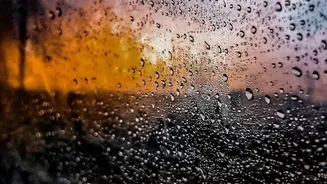
The trade-off for these benefits is a degree of unpredictability, especially when it comes to rain. In India, September often marks the retreat of the monsoon, meaning the heavy rains are tapering off but can still make an appearance. This leaves landscapes exceptionally lush and green, but you can’t guarantee a full week of sunshine. In many parts of Europe, it's the beginning of autumn, bringing pleasant temperatures but also a higher chance of showers as the season turns. For destinations in Southeast Asia, it can be a transition period between wet and dry seasons. This doesn't mean you should cancel your plans, but it does mean you should plan for multiple possibilities.
Choose Your Destination Wisely
Smart planning starts with picking the right place. Instead of a beach-only holiday where rain could be a major spoiler, consider a destination with a rich mix of indoor and outdoor activities. Cities are a great bet. A rainy day in Rome, Jaipur, or Istanbul still offers world-class museums, historic sites, and fantastic food experiences. For those set on natural beauty, consider regions where the post-monsoon greenery is the main attraction itself, like Kerala or Coorg in India. In Europe, destinations like Greece, Portugal, and the south of Italy are often still warm and sunny in September, with the sea retaining its summer warmth. Just be sure to check regional weather patterns before you book.
Pack for Possibilities
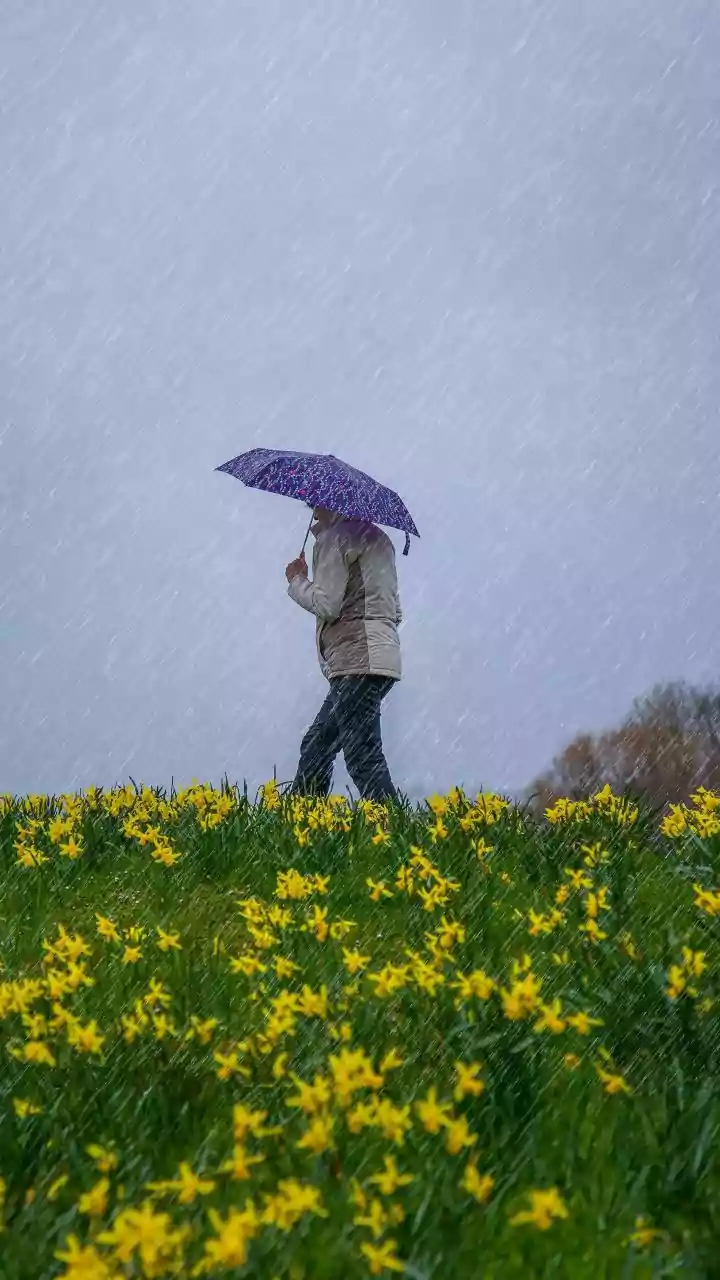
Your packing list is your first line of defence against fickle weather. Instead of heavy gear, think in layers. A lightweight, waterproof jacket is essential and easy to pack. Prioritise quick-drying fabrics like polyester or nylon and avoid heavy cottons and denim, which take a long time to dry and can feel uncomfortable when damp. Darker-coloured clothing can be more forgiving if you get splashed with mud. A sturdy, compact umbrella is a must. Also consider your footwear; comfortable, non-slip, and water-resistant shoes are crucial for navigating wet streets. Finally, protect your electronics with waterproof bags or simple resealable pouches.
Have a Rainy-Day Plan B
Don't let a downpour ruin your day. A little advance planning can turn a rainy afternoon into a memorable part of your trip. Look up interesting museums, art galleries, or indoor markets you can explore. A rainy day is also the perfect excuse to indulge in local culture through a hands-on experience, like a cooking class, a pottery workshop, or a wine tasting. Many travellers find that a forced slowdown is a blessing in disguise. Linger over a long lunch at a recommended restaurant, find a cosy cafe for people-watching, or book a spa treatment. Choosing a hotel with good amenities like an indoor pool, a game room, or a comfortable lounge can also make a huge difference.
Flexible Bookings and Insurance
In an unpredictable season, flexibility is key. When booking flights and accommodation, look for options that allow you to change your dates with minimal fees. This gives you the freedom to adjust your itinerary if the forecast looks particularly dire for a planned outdoor activity. It's also wise to review travel insurance policies. While most standard policies won't cover you for simply not wanting to go out in the rain, some may offer coverage for trip cancellations or interruptions caused by severe weather events. Read the fine print carefully to understand what is and isn't covered before you travel.